March 13, 2026
Spray foam roofing has become an increasingly popular solution for improving energy efficiency in both residential and commercial buildings. Rising utility costs and growing environmental concerns have pushed property owners to look for smarter insulation strategies that reduce long-term energy use. A properly installed roofing system can significantly affect how well a building maintains indoor temperatures throughout the year. One solution that continues to gain attention is polyurethane foam roofing because it combines insulation, air sealing, and moisture protection in one application.
The Basics of Modern Roofing Insulation
Roof insulation systems are designed to protect buildings from outside temperature fluctuations while also preventing air leaks. When a roof lacks proper insulation, heating and cooling systems must work harder to maintain comfort. This increased workload results in higher energy consumption and rising utility costs. For property owners looking to improve efficiency, modern insulation technologies provide better performance than many traditional materials.
Among modern insulation solutions, spray foam roofing stands out for its ability to expand and seal small gaps during installation. This process creates a seamless barrier that reduces both air leakage and thermal bridging. By forming a continuous protective layer, the roofing system improves building performance and helps extend the life of the roof itself.
Material Composition And Application Process
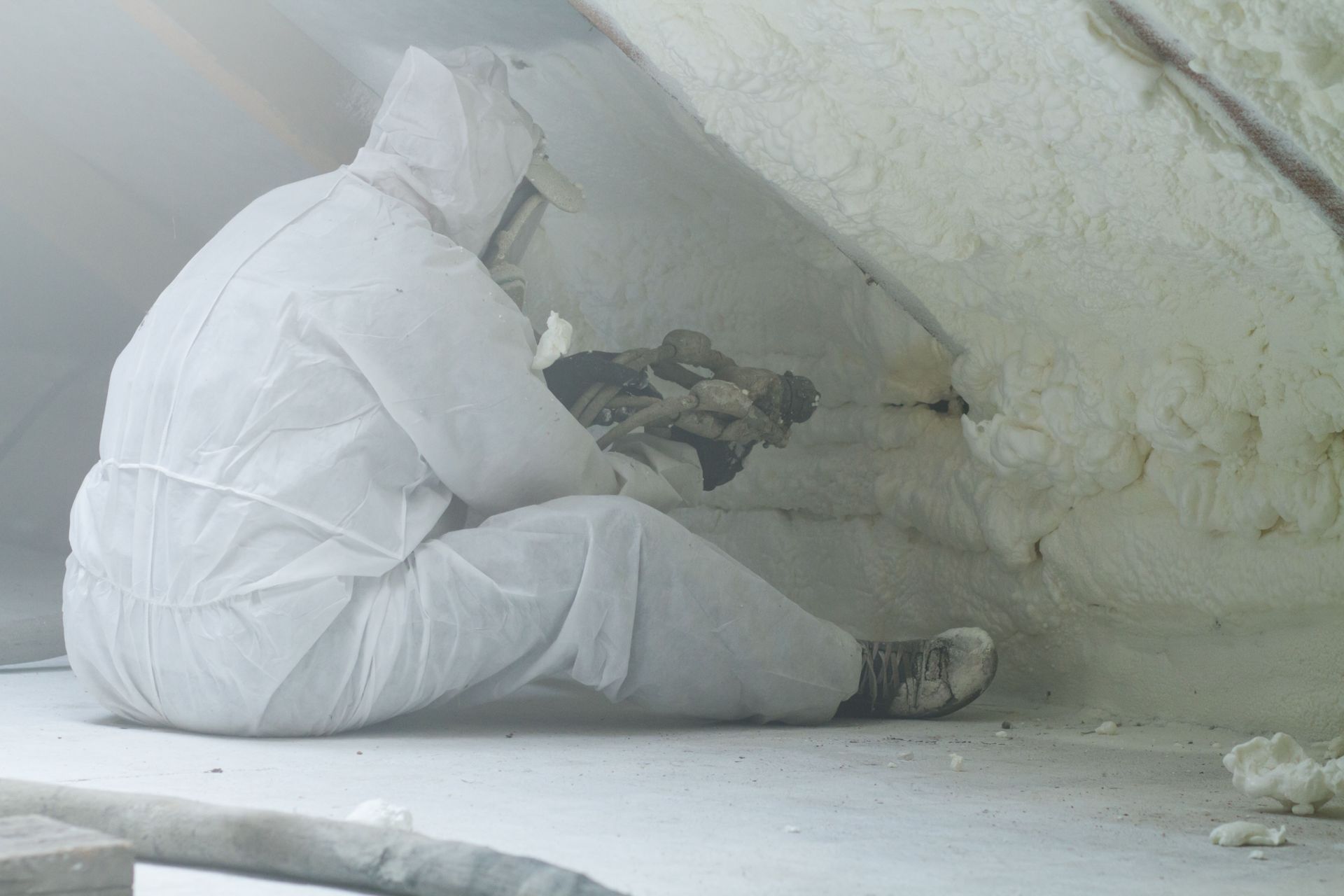
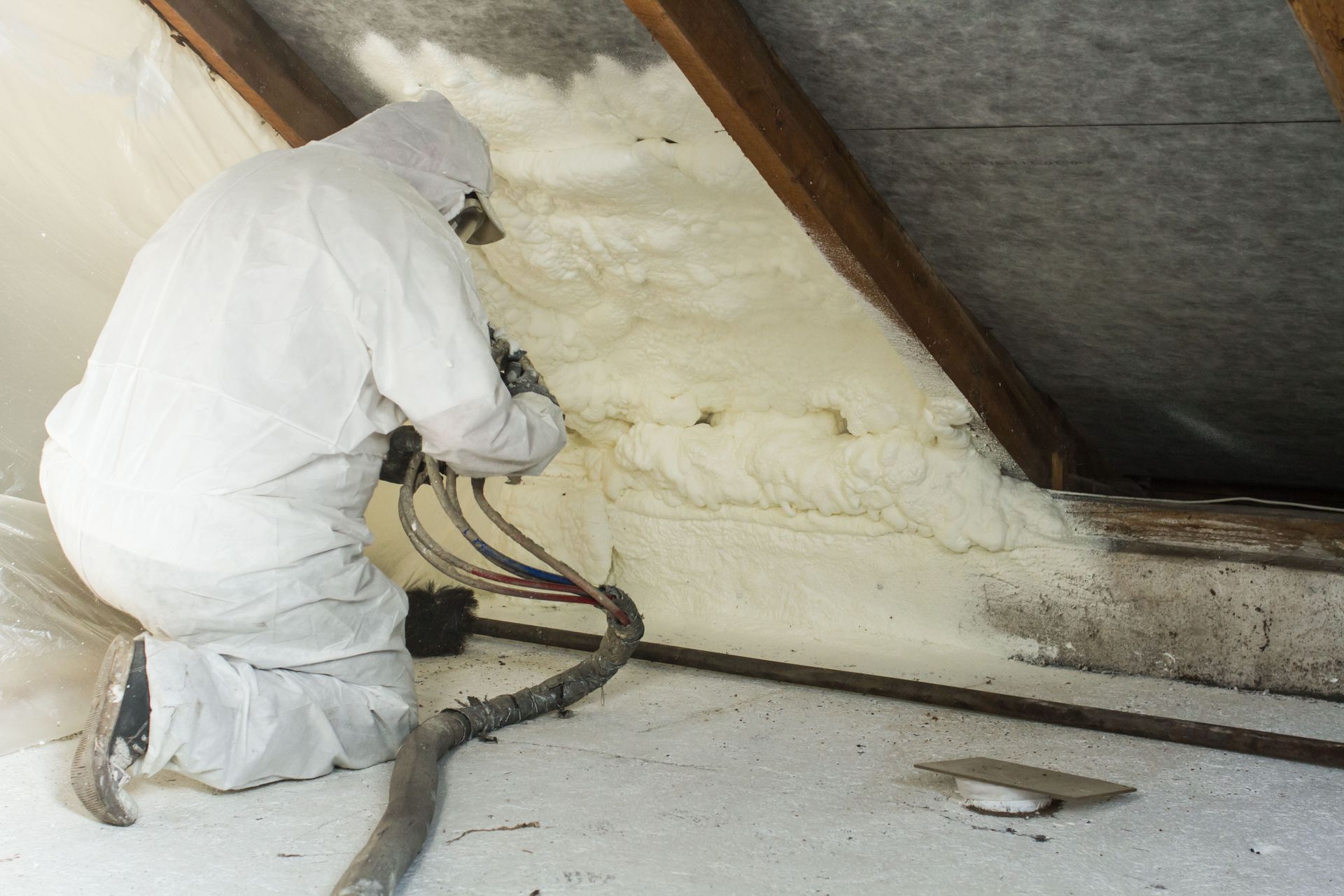
This roofing system uses a specialized polyurethane foam that is sprayed directly onto the roof surface. Once applied, the liquid foam expands rapidly and hardens into a durable layer that bonds tightly to the existing roof structure. The expansion process allows the material to fill small cracks and uneven surfaces that traditional insulation may leave exposed.
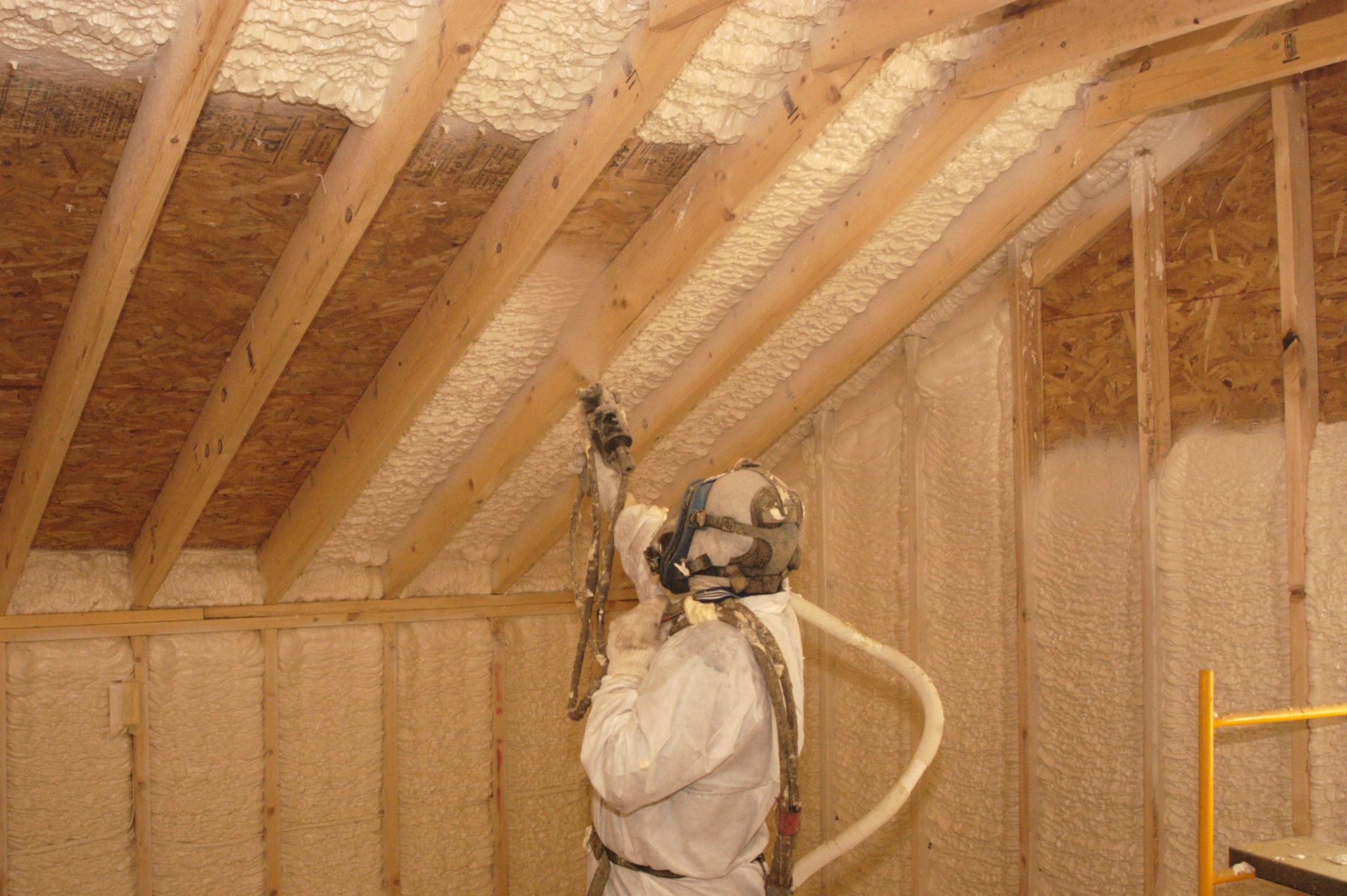
Professional installation typically involves preparing the roof surface, applying the foam using specialized spray equipment, and then covering the foam with a protective coating. That protective layer shields the insulation from ultraviolet radiation and weather exposure. When installed correctly, this foam-based roofing system can provide decades of reliable performance with minimal maintenance requirements.
Thermal Performance And R-Value Advantages
The effectiveness of any insulation system is commonly measured using an R-value, which represents resistance to heat flow. Higher R-values indicate better insulation performance. Many conventional roofing materials offer limited resistance to heat transfer, allowing indoor temperatures to fluctuate as outdoor conditions change.
Spray foam roofing provides a higher insulating value compared to many traditional roofing systems. Because the material expands to fill voids and cracks, it eliminates areas where heat can escape or enter. This improved thermal barrier helps buildings maintain stable temperatures while reducing the demand placed on heating and cooling systems.
Air Sealing And Energy Efficiency Benefits
Air leakage is one of the most common causes of energy loss in buildings. Small openings around roofing materials can allow conditioned air to escape and outside air to enter. Over time, these leaks force HVAC systems to run longer cycles in order to maintain comfortable indoor temperatures.
One of the major advantages of spray foam roofing is its ability to function as both insulation and an air barrier. As the foam expands, it seals gaps that would otherwise allow air movement. This airtight seal helps maintain consistent indoor temperatures and significantly improves overall building efficiency.
Reducing Heating And Cooling Costs
Energy savings are one of the most attractive benefits for property owners considering insulation upgrades. When buildings lose less heat during the winter and absorb less heat during the summer, HVAC systems operate more efficiently. Lower energy demand results in reduced utility bills and improved comfort throughout the building.
Because polyurethane foam roof systems limit both air leakage and heat transfer, they often lead to measurable reductions in heating and cooling costs. Many building owners report noticeable savings within the first few years of installation. Over time, these energy reductions can offset the initial installation investment.
Moisture Protection And Leak Prevention
Water intrusion is another major concern for roof systems. Moisture entering through small cracks or seams can damage insulation, weaken structural materials, and promote mold growth. Preventing leaks is therefore essential for protecting both the building structure and indoor air quality.
The seamless surface created by spray foam roofing reduces the likelihood of water infiltration. Unlike systems that rely on multiple panels or seams, this insulation layer forms a continuous barrier across the roof surface. This design minimizes weak points where moisture could enter and cause long-term damage.
Durability And Long-Term Roof Performance
Roof durability is an important factor when selecting any roofing material. Exposure to sunlight, heavy rain, temperature fluctuations, and strong winds can gradually weaken traditional roofing components. Over time, these environmental pressures may lead to cracks, leaks, or insulation failure.
Spray foam roofing is designed to withstand a wide range of environmental conditions when paired with a protective coating. The foam adheres strongly to the roof substrate, which helps prevent shifting or separation over time. This strong bond contributes to long-term performance and reduces the need for frequent repairs.
Industry Growth And Market Support
The insulation industry has experienced steady growth as energy efficiency becomes a larger priority across residential and commercial construction. According to IBISWorld, there were more than 27,000 insulation contractors operating in the United States in recent years. This growing market reflects the increasing demand for advanced insulation technologies that improve building performance.
With such a large industry supporting research and development, roofing insulation technologies continue to improve. Contractors now have access to better materials, improved installation equipment, and advanced protective coatings that enhance performance and durability. These innovations help foam-based roofing systems remain competitive within the expanding insulation market.
Environmental Advantages Of Efficient Roofing
Energy-efficient buildings contribute to lower greenhouse gas emissions by reducing overall energy demand. When buildings require less heating and cooling, power plants burn fewer fossil fuels to generate electricity. Improving insulation is therefore one of the most practical steps toward reducing a building’s environmental impact.
High-performance foam roof insulation supports these sustainability goals by helping buildings operate more efficiently. Reduced energy consumption leads to lower carbon emissions and supports long-term environmental responsibility. For property owners interested in greener construction practices, improving roof insulation can be a significant step forward.
Professional Installation Considerations
Although the material offers many advantages, successful performance depends on proper installation. Applying foam insulation requires specialized equipment and trained professionals who understand correct mixing ratios and application techniques. Improper installation could result in uneven coverage or reduced insulation performance.
Experienced contractors evaluate the condition of the existing roof before beginning installation. They prepare the surface, apply the foam evenly, and add protective coatings that extend the life of the system. Professional installation helps ensure the roofing system delivers its full energy-saving potential.
Long-Term Value For Property Owners
Investing in efficient roofing systems can improve both comfort and property value. Buildings with strong insulation performance often experience lower operational costs and improved indoor conditions. These benefits make energy-efficient upgrades attractive for homeowners, property managers, and commercial building owners.
Over time, spray foam roofing can provide a strong return on investment through reduced energy consumption, fewer repairs, and longer roof lifespan. When combined with professional installation and routine inspections, the system offers dependable protection for many years.
This insulation approach demonstrates how modern roofing technology can improve building performance while supporting environmental sustainability. By enhancing thermal resistance, sealing air leaks, and protecting against moisture, this roofing approach helps buildings maintain comfort while lowering energy use. For many property owners, adopting this technology represents a practical investment in long-term efficiency and durability. Contact North Central Insulation today to get connected with our insulation services.