March 17, 2026
In today’s construction landscape, building owners and developers are under increasing pressure to improve efficiency, reduce operating costs, and meet sustainability goals. One of the most effective ways to accomplish these objectives is by investing in high-quality commercial insulation. Insulation does far more than simply regulate temperature—it supports energy conservation, improves occupant comfort, and protects building structures from moisture and environmental stress.
As technology advances and energy standards become stricter, insulation systems have become a central part of modern building design. From office complexes to warehouses and retail centers, properly installed commercial insulation can dramatically reduce energy loss while improving overall building performance. Understanding how insulation works, the materials available, and the latest innovations can help property owners make informed decisions that benefit both the environment and their bottom line.
Improve Building Energy Efficiency
Energy efficiency is one of the most important reasons commercial buildings rely on insulation systems. Without proper insulation, heat can easily escape during winter and enter during summer, forcing HVAC systems to work harder to maintain comfortable indoor conditions. By reducing this constant exchange of heat, commercial insulation helps stabilize indoor temperatures and significantly lowers energy consumption. According to the U.S. Department of Energy, spray foam insulation can reduce the workload on HVAC systems by up to 35%. This reduction translates directly into lower energy bills and less wear on heating and cooling equipment over time. Consistent indoor temperatures also enhance comfort for employees, customers, and visitors, helping create a more productive environment. Buildings that maintain steady climate control typically experience fewer hot or cold spots, improving overall occupant satisfaction and reducing the likelihood of energy waste caused by frequent thermostat adjustments.
Select the Right Insulation Materials
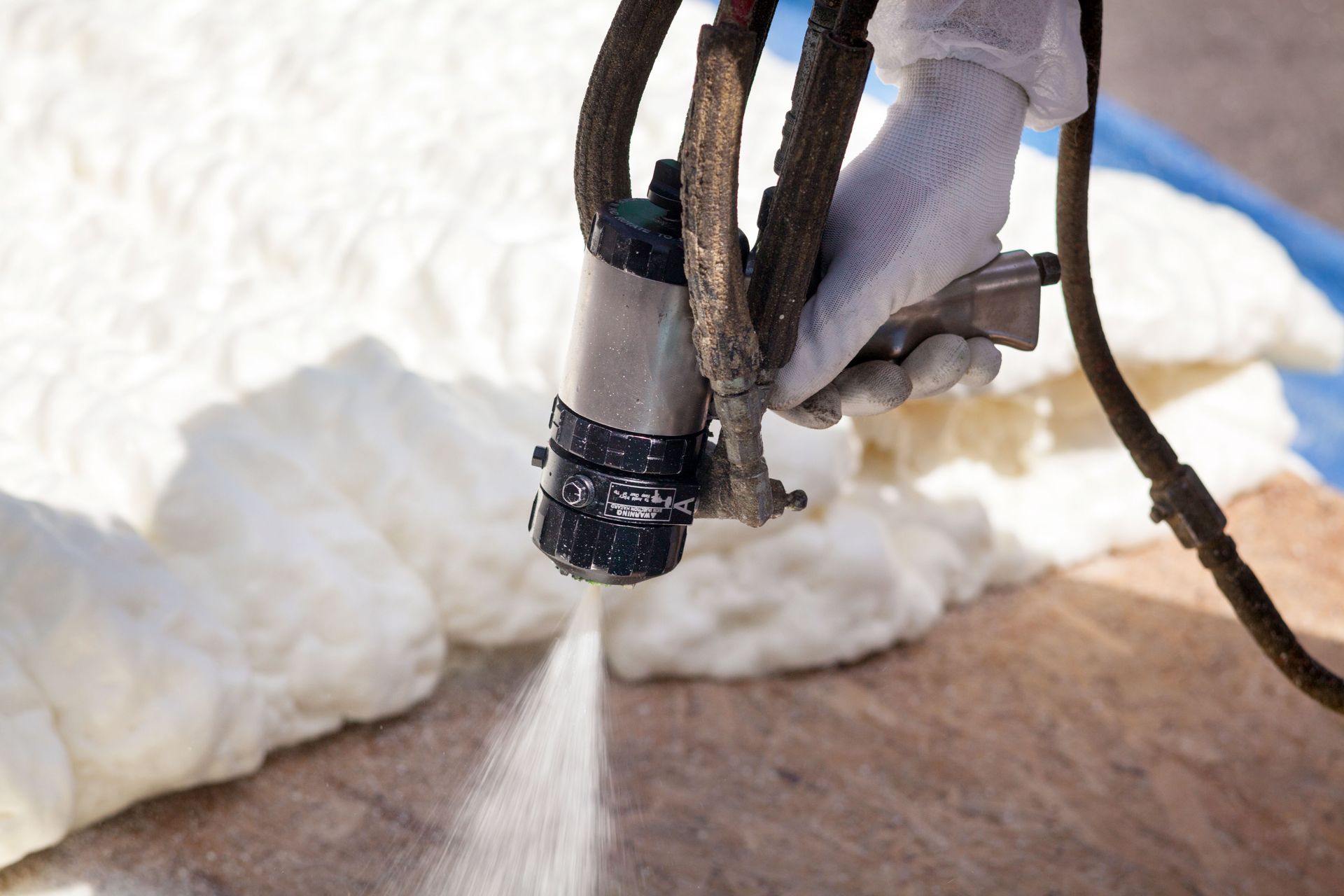
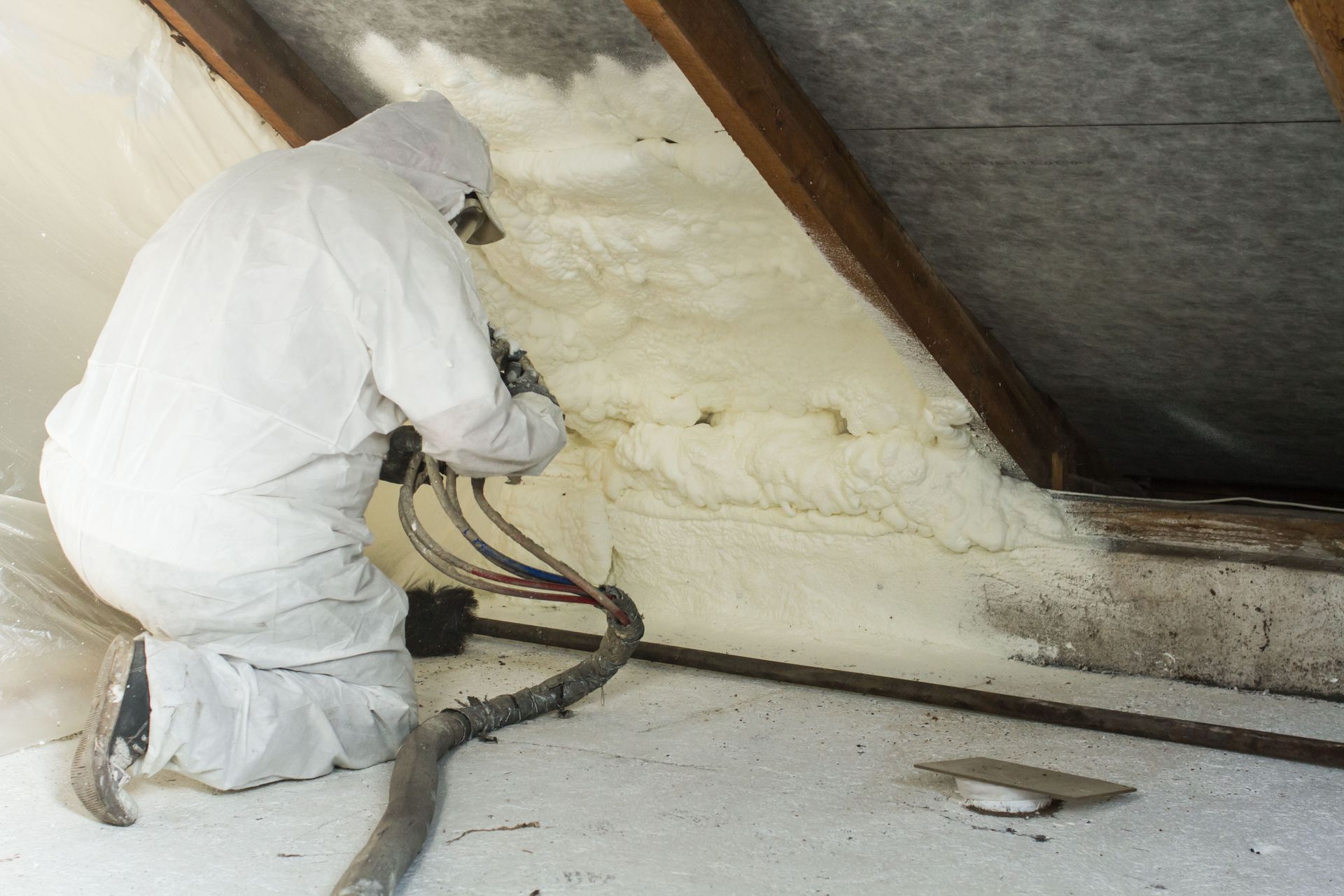
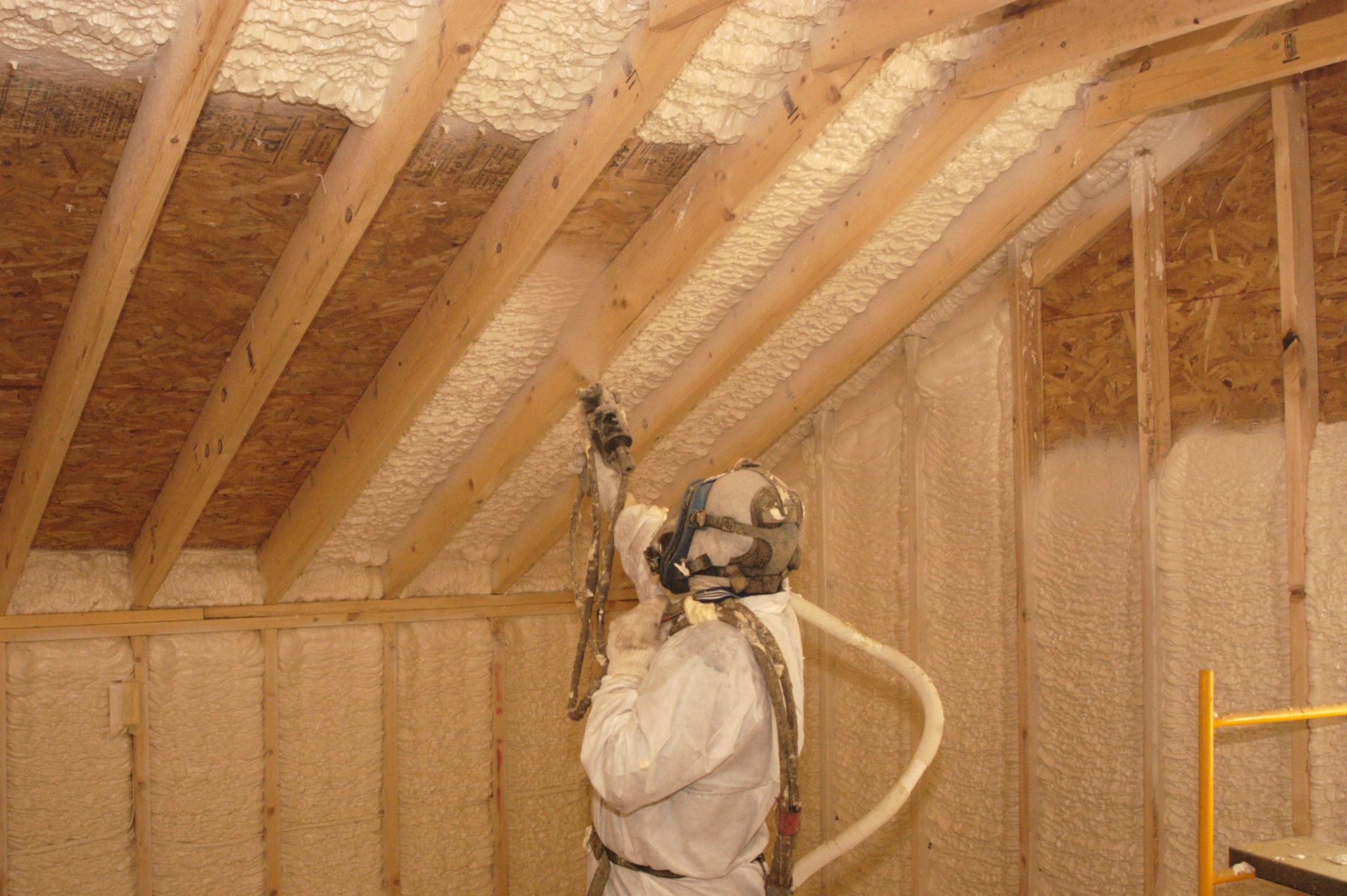
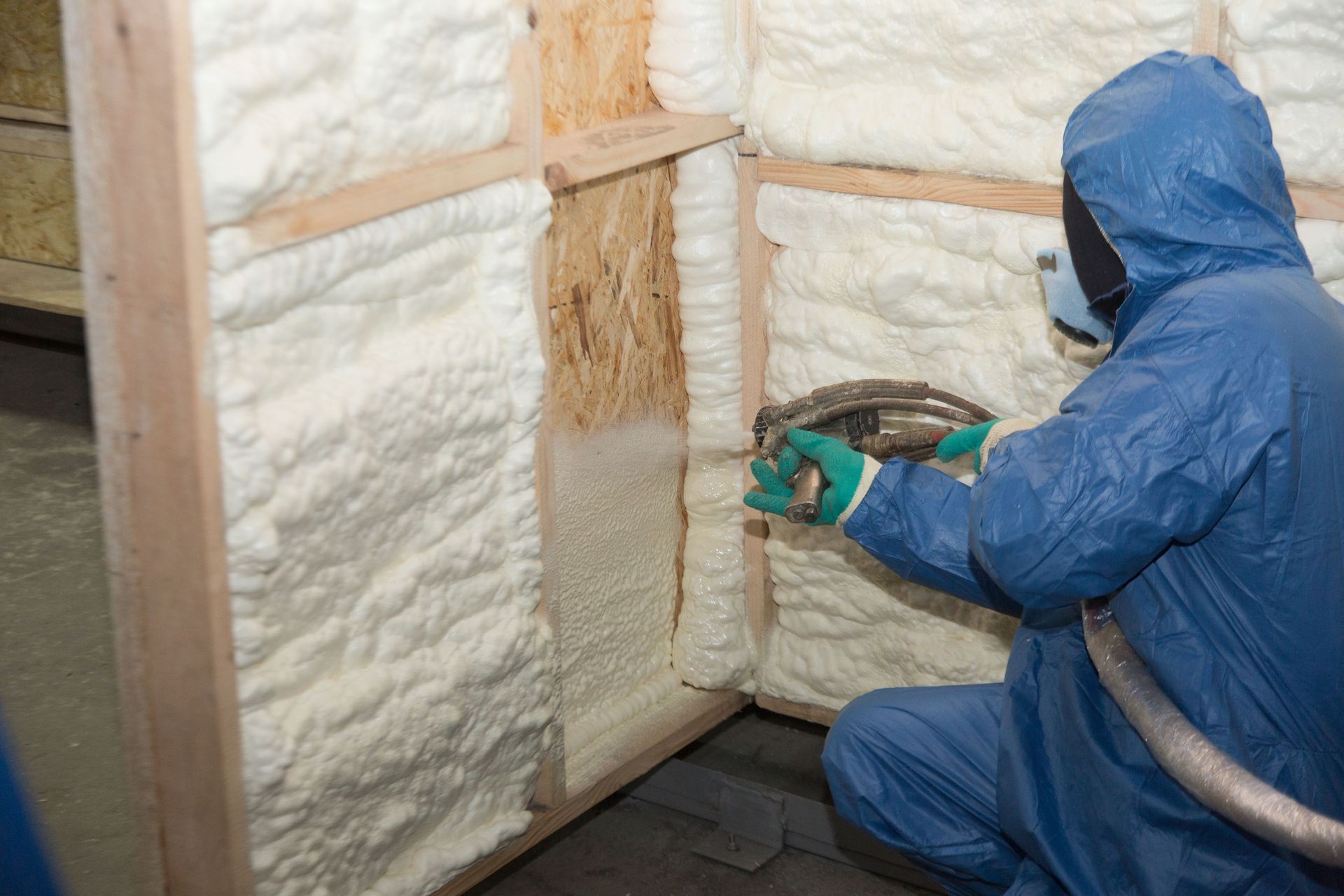
Different building types require different insulation materials to achieve optimal performance. Contractors often evaluate factors such as building design, climate conditions, moisture exposure, and long-term efficiency goals before recommending the most appropriate solution. Fiberglass insulation remains a widely used option because it is affordable, fire resistant, and relatively easy to install in many commercial structures. Foam board insulation offers rigid panels that provide strong thermal resistance and are commonly used in walls, foundations, and roofing assemblies where structural stability is important. Reflective insulation is often installed in facilities exposed to strong sunlight because it reflects radiant heat away from the building envelope. Another increasingly popular solution is spray foam insulation, which expands during application and seals gaps that traditional materials cannot fully cover. Because it fills irregular spaces and creates a continuous barrier, spray foam systems play a major role in modern commercial insulation strategies that aim to maximize energy efficiency.
Enhance Air and Moisture Control
Temperature control is only one part of an effective insulation system. Air and moisture management are equally important for maintaining a healthy and durable building structure. When outside air leaks into a building, it often carries moisture that can lead to mold growth, material deterioration, and poor indoor air quality. Air barrier systems work alongside commercial insulation to prevent unwanted air infiltration and help maintain stable indoor conditions. These barriers seal gaps in the building envelope, which improves overall energy efficiency while protecting interior spaces from drafts and humidity fluctuations. Moisture barrier systems further strengthen building protection by preventing water intrusion in walls, roofs, and foundations. Proper moisture management is especially important for commercial roofs and exterior walls, where condensation can accumulate if temperatures shift rapidly. When insulation systems are designed with both air and moisture control in mind, buildings benefit from improved durability, healthier indoor environments, and reduced long-term maintenance costs.
Incorporate Acoustic and Fire Protection
Many commercial environments require more than just thermal performance from insulation systems. Sound control and fire safety are critical considerations in offices, industrial facilities, medical buildings, and educational spaces. Acoustic insulation helps minimize noise transmission between rooms, floors, and work areas, which improves privacy and reduces distractions for occupants. This is particularly valuable in office environments and healthcare settings where quiet spaces contribute to productivity and comfort. Fire-resistant insulation materials also play a key role in protecting buildings by slowing the spread of flames and reducing heat transfer during fire events. Many commercial insulation products are designed to meet strict fire safety standards required by building codes and regulatory agencies. When acoustic and fireproof insulation are integrated into building design, they not only improve safety but also enhance the overall performance of the structure. These added benefits demonstrate how insulation systems contribute to multiple aspects of building functionality beyond simple temperature control.
Utilize Spray Foam Roofing Solutions
Roof systems play a significant role in energy efficiency because they are constantly exposed to sunlight, weather changes, and temperature fluctuations. Spray foam roofing systems have become an increasingly popular solution for commercial properties due to their durability and energy-saving capabilities. Spray foam roofing creates a seamless protective layer that adheres directly to the roof surface, forming a continuous insulation barrier that prevents air leakage and water intrusion. Elastomeric coatings are often applied over the foam to provide additional protection from ultraviolet radiation and harsh environmental conditions. One of the key advantages of spray foam roofing is that it can frequently be installed over existing roofing systems, reducing the need for full roof replacements and minimizing construction disruption. Because of its insulating properties, spray foam roofing significantly strengthens overall commercial insulation performance, helping buildings maintain stable indoor temperatures while lowering cooling costs during hot weather.
Maintain Insulation for Long-Term Performance
Even the most advanced insulation systems require periodic inspection and maintenance to continue operating effectively. Environmental exposure, structural movement, and building modifications can gradually affect insulation performance over time. Routine inspections allow building managers to identify issues such as moisture intrusion, damaged insulation materials, or gaps in the building envelope before they become larger problems. Maintenance efforts may include resealing air barriers, repairing damaged insulation areas, or applying protective coatings to roofing systems. These proactive steps help preserve the long-term effectiveness of commercial insulation while protecting the building’s energy performance and structural integrity. Working with experienced insulation professionals ensures that installation and maintenance follow industry best practices. Certified contractors can evaluate building conditions, recommend improvements, and implement solutions that keep insulation systems functioning efficiently while supporting long-term sustainability goals.
Sustainable construction practices continue to shape the future of building design, and insulation remains one of the most effective tools for achieving energy efficiency. From reducing HVAC strain to improving air quality and structural durability, properly installed
commercial insulation delivers measurable benefits across every type of commercial property. As new technologies and materials continue to evolve, businesses have more opportunities than ever to create efficient, environmentally responsible buildings that operate reliably for years to come.
If you’re planning a new project or looking to improve the efficiency of an existing building, the team at North Central Insulation is ready to help. As a Spray Polyurethane Foam Alliance-certified contractor, we provide services including commercial spray foam roofing, acoustic and fireproof insulation, air and moisture barrier systems, elastomeric coatings, and commercial spray foam insulation. With manufacturer warranties available and free estimates within 24 hours, we work to deliver insulation solutions that support long-term building performance and energy efficiency. Contact North Central Insulation today to learn how we can help strengthen your building with professional insulation systems designed for durability and efficiency.