August 28, 2026
In the contemporary world, energy efficiency has become a critical concern for both residential and commercial building owners. Rising energy costs and climate change concerns drive this focus, making it imperative to explore construction materials that enhance energy conservation. Spray foam roofing has emerged as a noteworthy solution, offering superior insulation and air-sealing capabilities. This innovative roofing system helps mitigate energy waste and fosters environmental sustainability. This article explores how spray foam roofing can substantially contribute to improving energy efficiency in various building types.
Understanding Spray Foam Roofing
Definition and Composition
Spray foam roofing is a roofing system composed of two main chemical compounds, which are combined onsite to create a solid, seamless layer of foam. This foam is applied as a liquid, expanding to form a highly effective roofing medium. Polyurethane and isocyanate are typically used in the process, both contributing to the roofing's insulating properties. The closed-cell structure of the foam enhances its durability and ability to protect against environmental elements. These attributes make spray foam roofing an advanced option for improving a building's thermal insulation.
Application Process
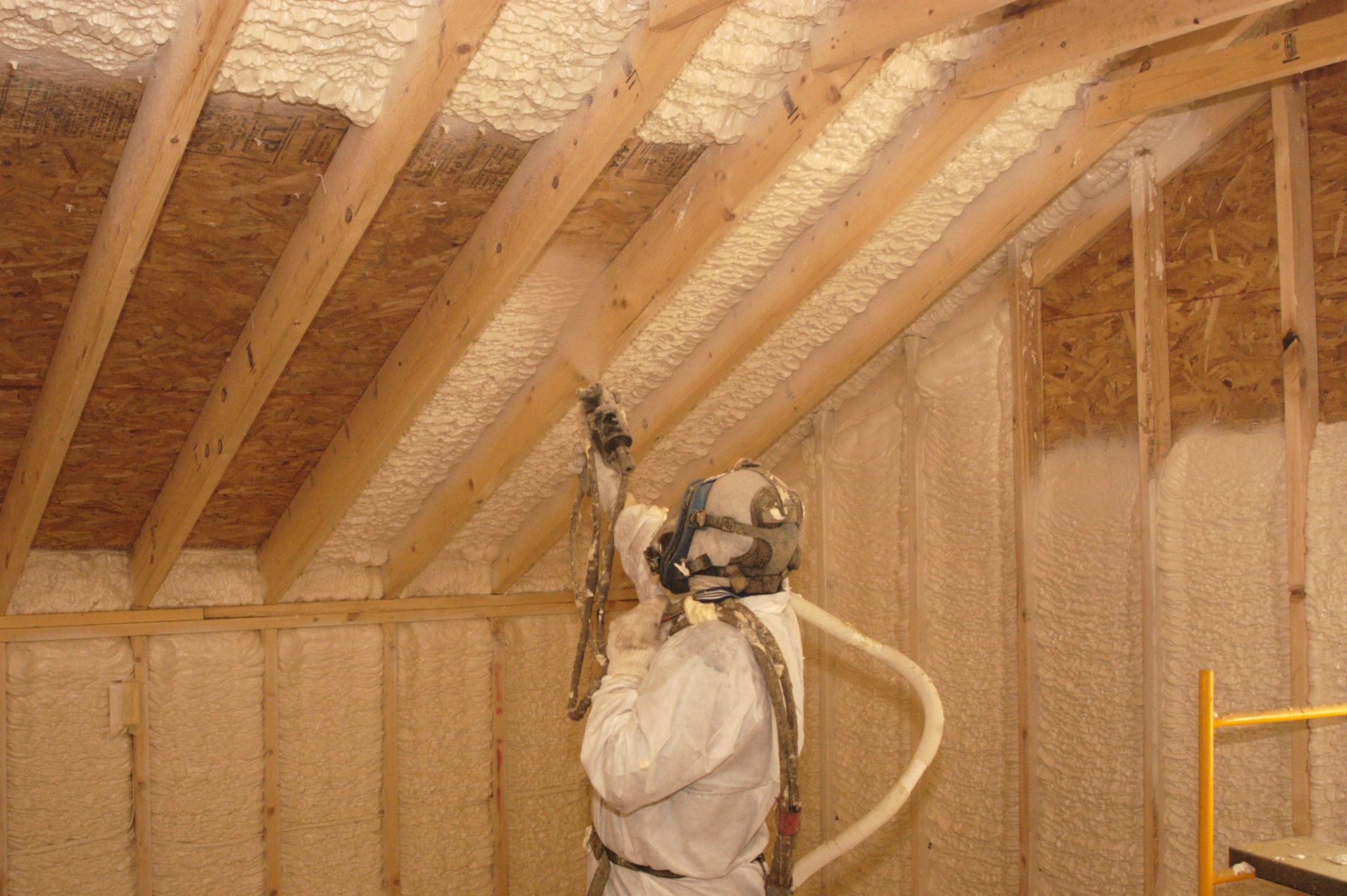
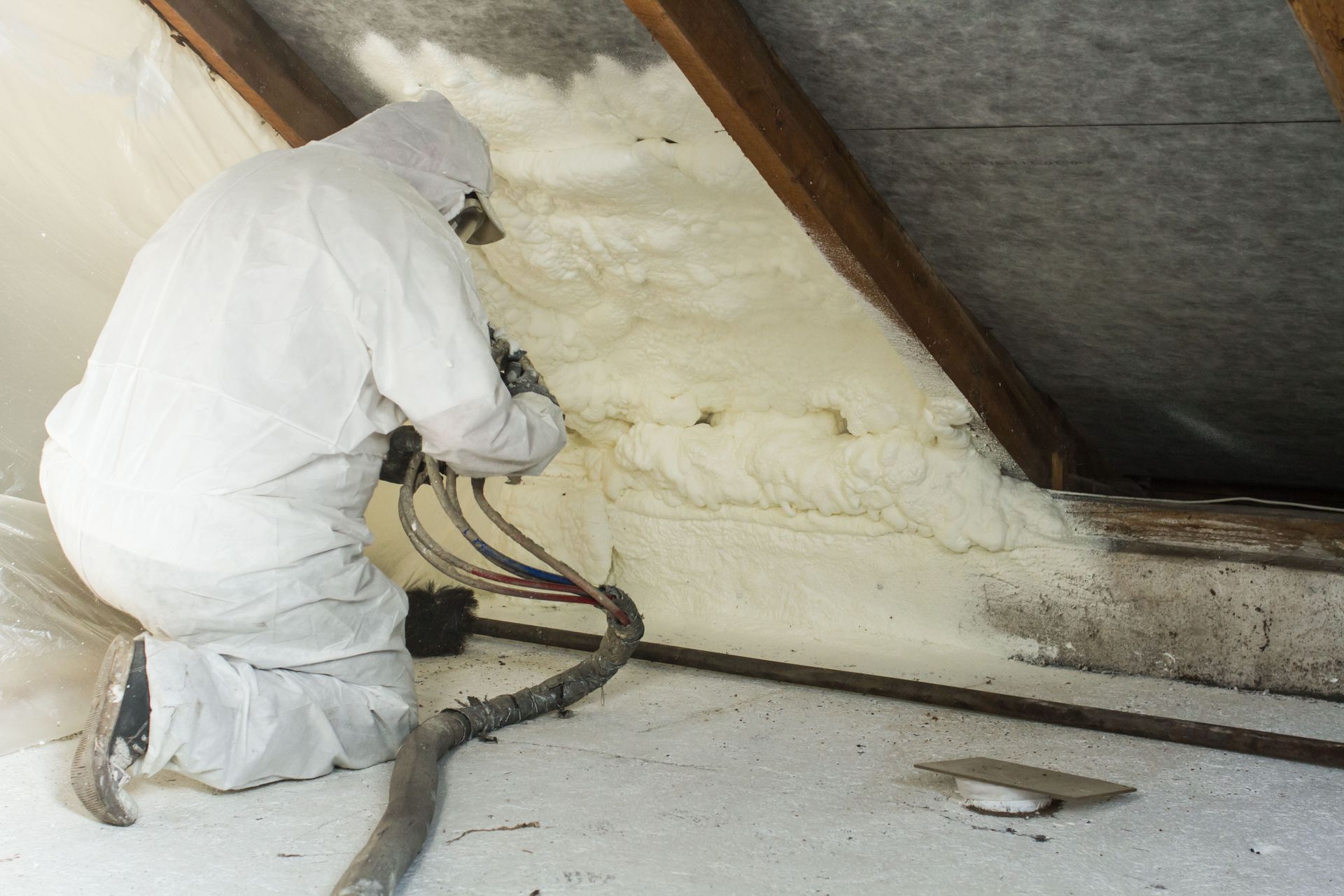
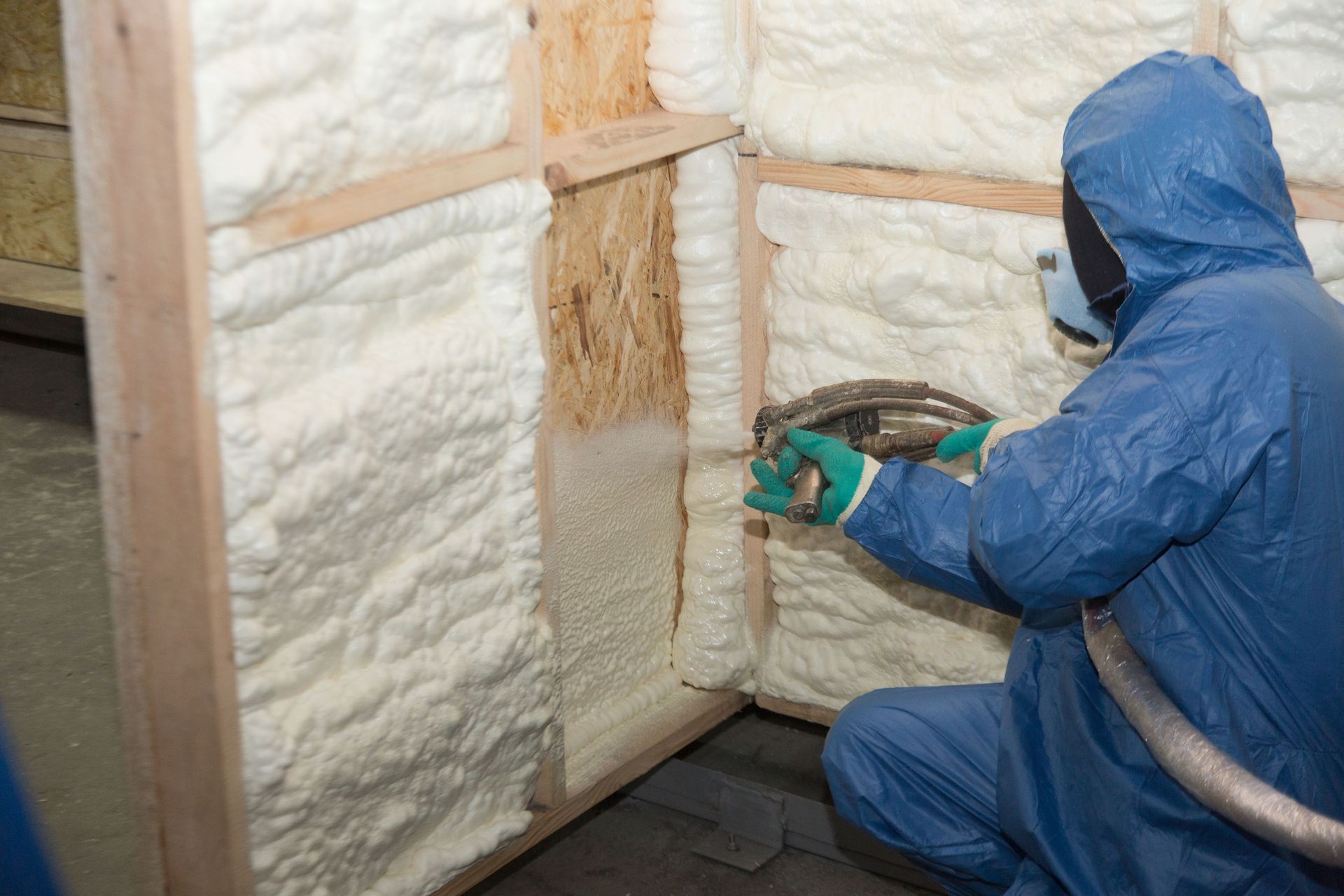
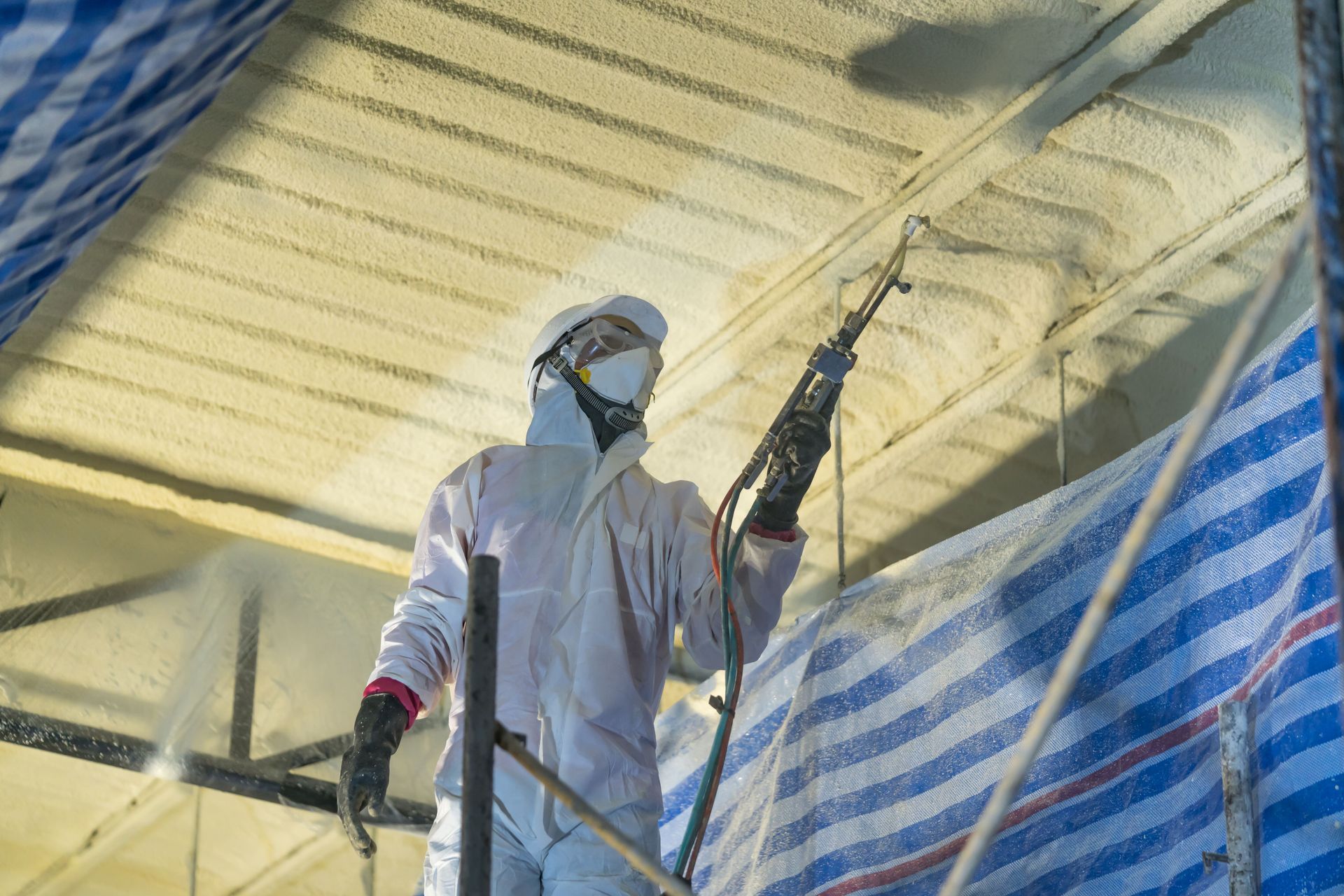
The application process of spray foam roofing involves meticulous spraying of the foam material onto the roof surface. Professionals use high-pressure spray equipment to evenly distribute the foam, ensuring peak performance. Upon application, the foam rapidly expands and hardens, forming a dense protective layer. A specialized coating is often applied over the foam to protect against UV rays and other environmental stresses. This process results in a seamless roof covering, dramatically reducing air infiltration and heat loss.
Types of Spray Foam Roofing
There are mainly two types of spray foam used in roofing: open-cell and closed-cell spray foam. Open-cell spray foam is less dense and more cost-effective, ideal for interior applications. Closed-cell spray foam, however, is denser and offers greater durability and insulation, fitting for exterior applications like roofing. Closed-cell is known for its superior strength and water resistance, making it a preferred choice in climates prone to severe weather. Selecting the appropriate foam type depends on various factors including climate, budget, and building requirements.
Cost vs. Benefits
While the initial investment for spray foam roofing can be higher than conventional materials, the long-term benefits typically offset these costs. Spray foam roofing offers exceptional longevity and reduced maintenance requirements, providing a favorable return on investment. It also significantly enhances energy efficiency, resulting in substantial savings on heating and cooling costs over the roof's lifespan. According to the U.S. Environmental Protection Agency, homeowners can save an average of 15% on heating and cooling costs by adding insulation and sealing air leaks in key areas of their home. This significant reduction in energy expenditure underlines the economic advantage of spray foam roofing.
Environmental Impact
The environmental impact of spray foam roofing is notably positive, given its potential to enhance a building's energy efficiency. By reducing energy consumption, spray foam roofing lowers carbon emissions, thereby contributing to environmental conservation efforts. Moreover, the materials used are often made from renewable resources and can be recycled, leading to reduced environmental footprints. This gives spray foam roofing an edge in achieving compliance with modern green building standards. Consequently, its adoption helps in advancing sustainability goals in both residential and commercial sectors.
Thermal Insulation Properties
R-Value Explanation
The effectiveness of an insulation material is commonly measured by its R-value, which reflects its ability to resist heat flow. Spray foam roofing boasts a high R-value, indicating superior thermal insulation compared to traditional materials. Closed-cell spray foam, for instance, features an R-value ranging from 6 to 7 per inch, allowing for increased energy savings. This high R-value helps achieve maximum thermal resistance, significantly reducing heating and cooling requirements throughout the year. Incorporating materials with a high R-value is crucial for building energy-efficient structures and reducing operational costs.
Comparative Analysis with Other Materials
Compared to other roofing materials like fiberglass or cellulose, spray foam stands out for its excellent insulation properties. Fiberglass, while common, has a lower R-value and does not offer an effective air seal, leading to energy loss through air leaks. Cellulose, made from recycled paper, provides better air sealing, but still falls short in insulation performance compared to spray foam. Spray foam's closed-cell variant not only insulates better but also acts as an air barrier, greatly minimizing unwanted air exchange. This comparative advantage makes spray foam an attractive option for maximizing energy efficiency.
Performance in Various Climates
Spray foam roofing excels in a range of climates, from hot and humid to cold and dry environments. The material's ability to expand and contract with temperature changes reduces stress on the structure and minimizes energy loss. In warmer climates, its reflective properties prevent heat absorption and keep interiors cooler. Conversely, in colder regions, its high R-value and air-sealing capabilities limit heat escape, ensuring better thermal comfort. This adaptability across diverse climatic conditions underscores spray foam's effectiveness in enhancing energy efficiency globally.
Reduction in Heat Transfer
A primary function of spray foam roofing is to lessen heat transfer between a building's interior and the external environment. Its dual action as an insulator and air-sealant ensures minimal heat flow, significantly lowering energy demands for climate control. This reduction in heat transfer translates to more stable indoor temperatures and enhanced comfort for occupants. As HVAC systems require less energy to maintain desired temperatures, buildings experience a corresponding decrease in utility costs. Therefore, reducing heat transfer through effective insulation and sealing is vital in promoting energy-efficient properties.
Sealing and Moisture Barrier Capabilities
Seamless Coverage
One of the standout features of spray foam roofing is its ability to provide seamless coverage, eliminating gaps and cracks where moisture and air can penetrate. This continuous membrane effectively prevents leaks and water ingress, maintaining the integrity of the substrate below. Seamless coverage is crucial for maintaining the building envelope and contributes to long-term aesthetic and functional performance. Furthermore, the absence of seams means fewer structural weaknesses produced by thermal expansion and contraction cycles. As such, spray foam roofing offers unmatched protective coverage for building roofs, promoting durability and energy efficiency.
Waterproofing Benefits
In addition to insulation and air-sealing benefits, spray foam roofing acts as a superior waterproofing barrier. Closed-cell spray foam in particular provides an impermeable layer that prevents water absorption and accumulation. This results in fewer incidences of leaks and moisture-related damages, prolonging the roof's serviceable life. Waterproofing also protects against potential sources of energy loss, such as water evaporation during hot weather. Consequently, incorporating spray foam roofing into buildings not only enhances structural resilience but also boosts overall energy performance.
Mold and Mildew Prevention
The resistance of spray foam roofing to moisture penetration also reduces the risk of mold and mildew growth. These are typically triggered by moisture accumulation in poorly sealed or insulated spaces. Spray foam's airtight seal ensures minimal humidity levels within roof cavities, mitigating the potential for mold proliferation. This indirect benefit translates to improved indoor air quality, reducing health risks to inhabitants. Thus, choosing spray foam roofing not only improves building wellness but also supports energy-saving objectives by maintaining optimal environmental conditions.
Air Leakage Reduction
Air leakage can severely compromise energy efficiency, causing HVAC systems to work harder to maintain comfortable conditions. Spray foam roofing addresses this issue by providing a robust air barrier, significantly limiting infiltration and exfiltration. By effectively reducing air movement through the building envelope, this roofing system minimizes variances in internal temperatures. This key feature enhances thermal regulation inside the building, lowering heating and cooling costs as highlighted by EPA's findings on air leak management. Therefore, air leakage reduction is a vital component of energy-efficient construction achieved through spray foam roofing.
This article highlighted the pivotal role of spray foam roofing in enhancing energy efficiency, citing its vast thermal insulation properties, air-sealing capabilities, and cost-saving potentials. These attributes make it a competitive option in sustainable roofing solutions, considering today's urgent eco-conscious and energy-conservation mandates. Challenges exist but are manageable, underscoring the necessity of skilled execution and informed application. The future directions point towards burgeoning innovations in materials and processes, solidifying spray foam roofing as a staple in energy-efficient design. As efficiency metrics continue to evolve, spray foam roofing remains an integral player in advancing eco-friendly structural innovations. Reach out to North Central Insulation today to see how we can help you!