August 29, 2026
Insulation plays an important role in how a building manages temperature, airflow, moisture, and energy use. While residential projects often receive attention for these benefits, the same principles can apply to commercial properties where comfort, operating costs, and building performance matter.
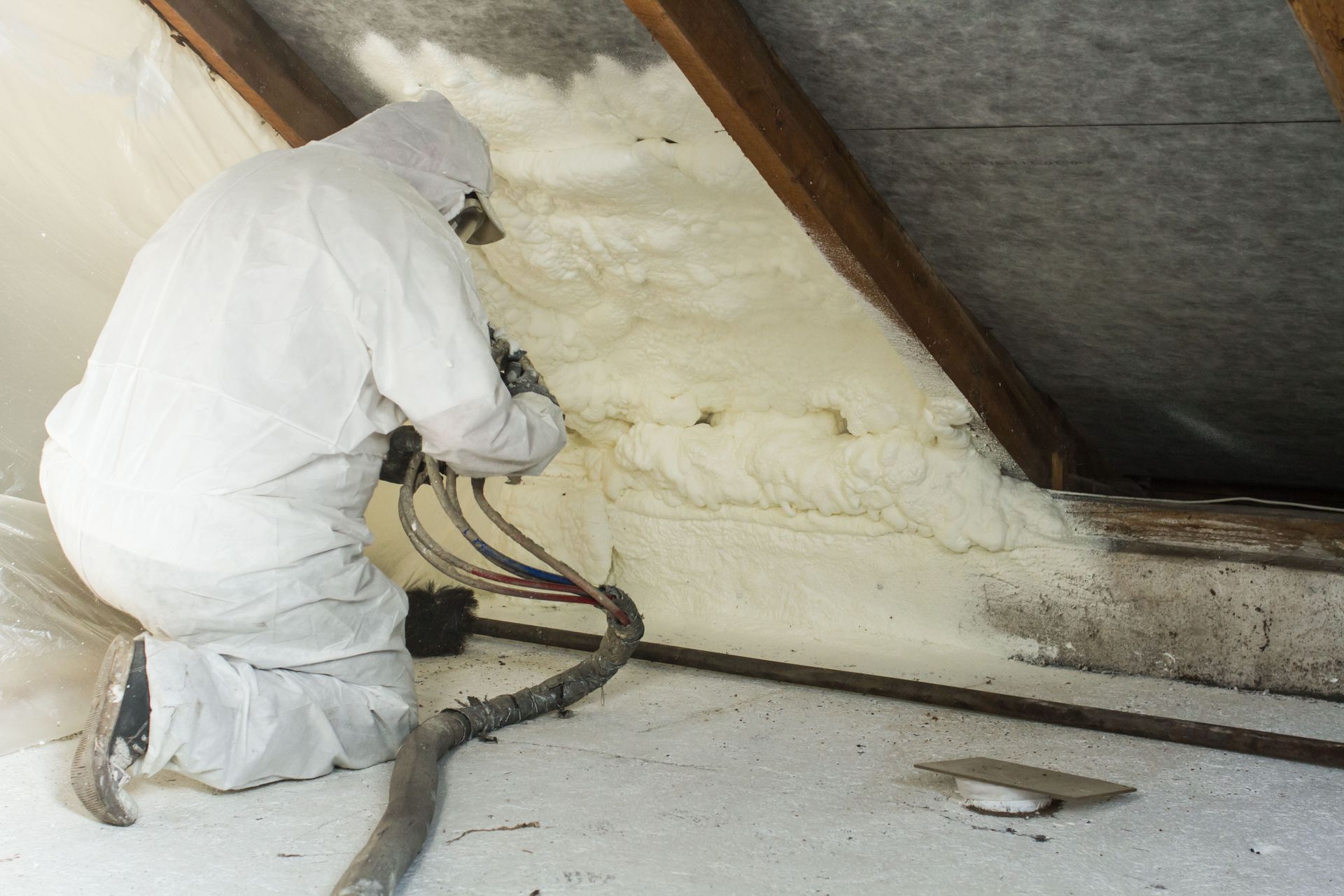
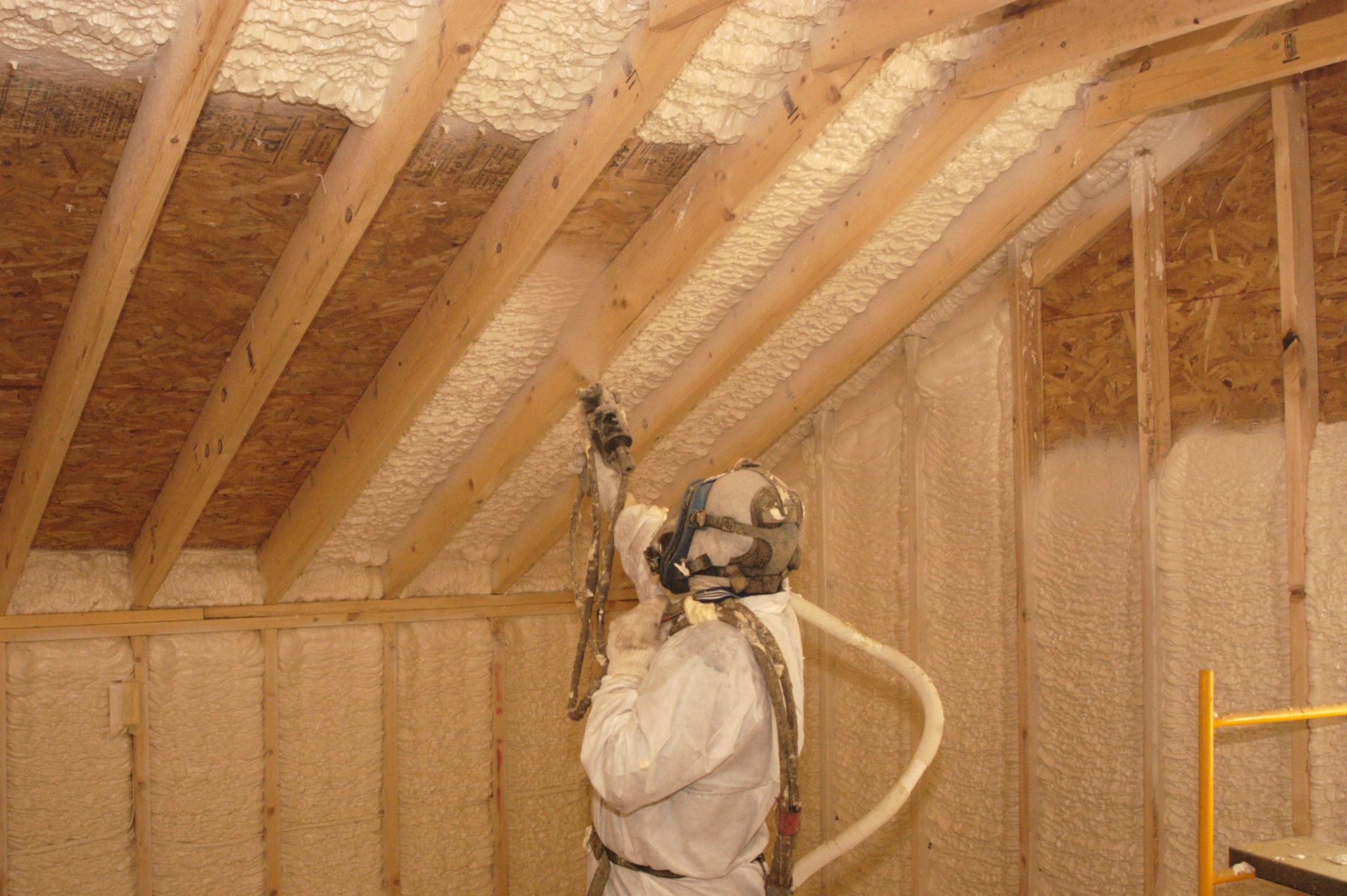
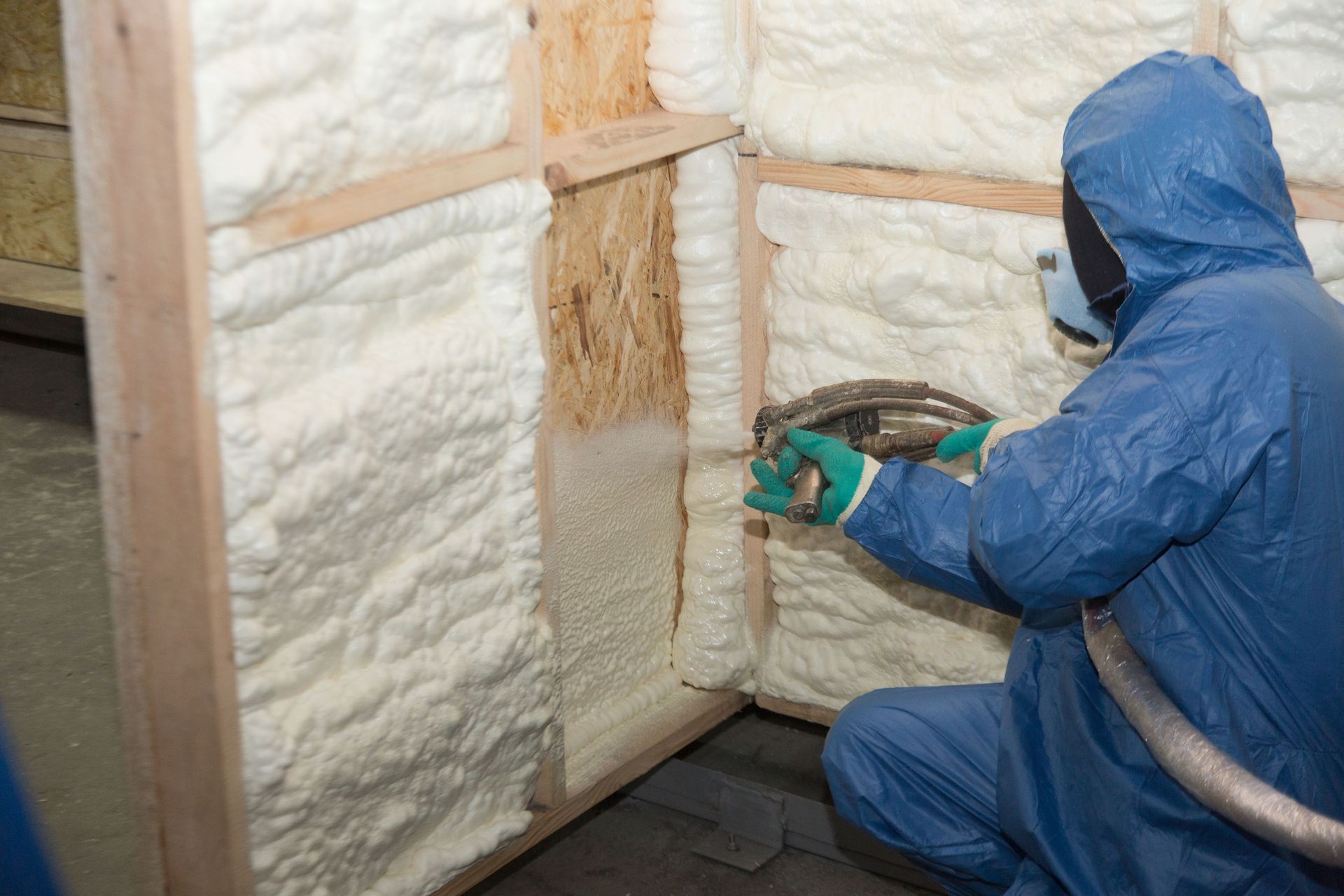
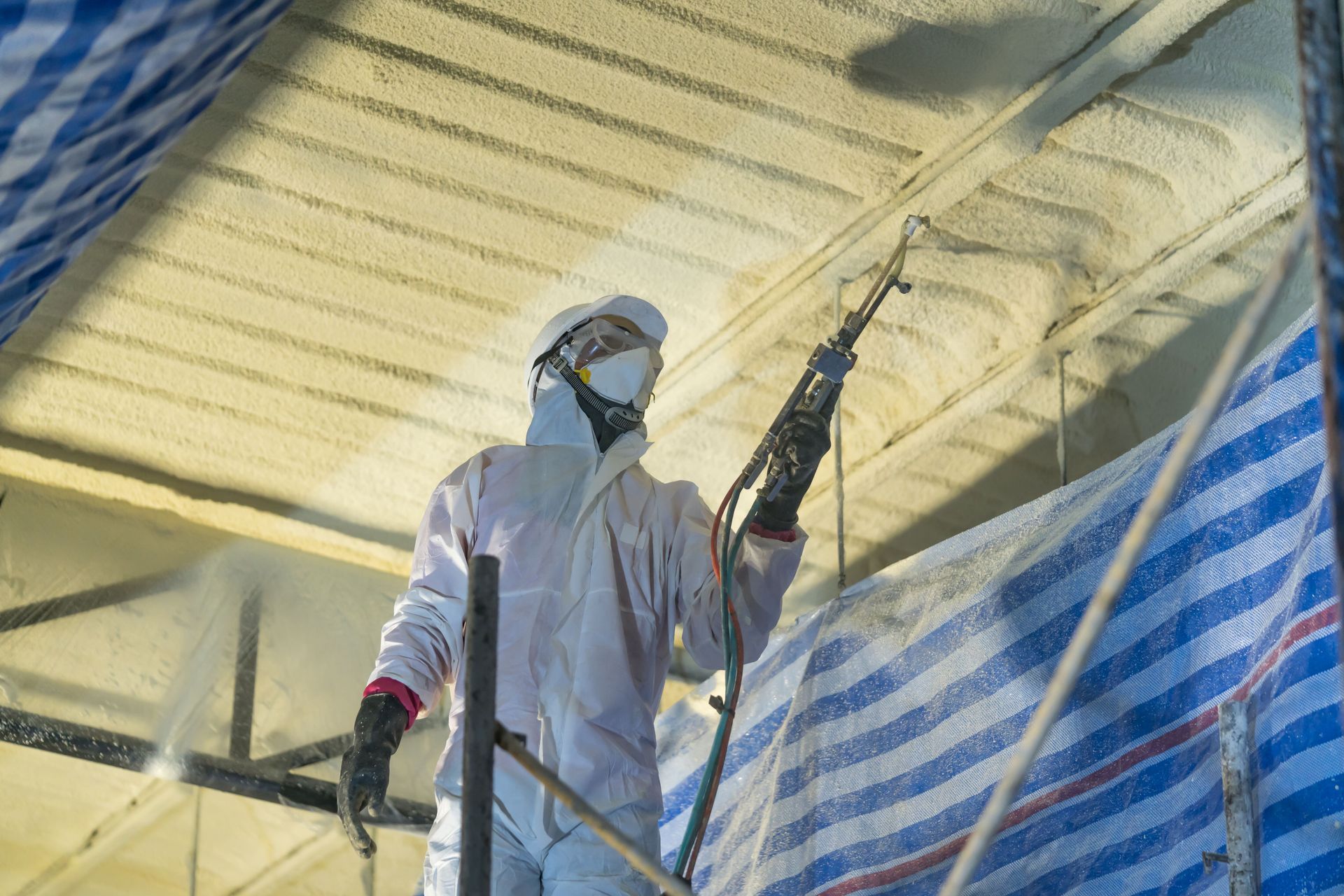
Spray foam insulation is one option that can support these goals by creating a continuous insulating layer across applicable surfaces. Understanding how residential advantages can carry over to commercial applications can help property owners evaluate potential improvements.
According to the U.S. Department of Energy (DOE), homes with spray foam insulation can achieve around 35% to 40% better energy efficiency than average homes in the United States. This highlights why spray foam can be considered when looking for ways to improve building performance.
Improve Energy Performance
A major advantage of spray foam insulation is its ability to help reduce unwanted heat transfer. By limiting areas where conditioned air can escape and outdoor air can enter, insulation can contribute to a more controlled indoor environment.
For commercial buildings, this principle can be especially relevant because spaces may be larger, frequently occupied, or used for activities that require consistent indoor conditions. Improving the building envelope can support more efficient temperature management.
The same concept that makes spray foam useful in residential settings can carry over to commercial structures. A well-insulated building can create a more consistent barrier between the interior and exterior.
A spray foam roofer can also consider how insulation relates to applicable roofing areas. Looking at these components together can provide a broader understanding of the building envelope.
Reduce Air Movement
Insulation is not only about slowing temperature transfer. Managing unwanted air movement can also play an important role in maintaining indoor comfort and supporting overall building performance.
Spray foam can expand into applicable spaces and create an insulating layer that helps address areas where uncontrolled airflow may otherwise occur. This makes it an option worth considering when evaluating portions of a building envelope.
For commercial properties, limiting unwanted air movement may contribute to more comfortable conditions for employees, customers, tenants, or visitors. It can also help maintain more consistent conditions between different areas.
When considering a commercial insulation project, property owners should look at the building as a complete system. Insulation, air movement, roofing, and other components can all contribute to overall performance.
Support Indoor Comfort
Temperature consistency can have a meaningful effect on how people experience a building. Residential occupants generally want comfortable living spaces, while commercial properties may need suitable conditions for employees, customers, tenants, or other occupants.
Spray foam insulation can contribute to that goal by helping create a more controlled separation between indoor and outdoor environments. This can help a building manage temperature changes throughout the day.
Commercial properties can also contain areas with different uses. Offices, work areas, storage spaces, and other portions of a building may have their own comfort considerations.
A property owner evaluating insulation can therefore consider both energy performance and occupant experience. Improving the building envelope may support several aspects of day-to-day property use.
Residential applications demonstrate how insulation can support comfort throughout a structure rather than concentrating on a single room. Those principles can also inform commercial projects.
Protect Building Areas
Moisture management is another consideration when evaluating insulation and the building envelope. Unwanted moisture can affect building materials and contribute to conditions property owners generally want to avoid.
Because spray foam is applied directly to appropriate surfaces, it can provide a continuous insulating layer where it is suitable for the project. The application depends on the structure, existing materials, and conditions found during evaluation.
For commercial properties, protecting the building envelope can be particularly important because maintenance issues may affect larger spaces or interfere with regular operations.
A commercial property owner may also consider insulation alongside roofing needs. When these components work together appropriately, they can contribute to a building envelope designed to manage outdoor exposure and indoor conditions.
A spray foam roofer may be involved when the project includes applicable roof areas. Considering the relationship between these systems can help property owners evaluate the overall project.
Extend Residential Advantages
Many insulation benefits are not exclusive to houses. The same basic goals of improving energy performance, managing airflow, and supporting indoor comfort can apply to offices, commercial facilities, and other nonresidential buildings.
Residential insulation can provide useful context for commercial property owners because the underlying goal remains similar: create a more effective barrier between conditioned interior spaces and changing conditions outside.
A spray foam roofer can help property owners understand how insulation may relate to roofing applications and the surrounding building envelope. This can be useful when insulation work overlaps with other property improvements.
Residential projects also demonstrate the value of addressing the building envelope rather than concentrating exclusively on heating and cooling equipment. Commercial properties can take a similarly comprehensive approach.
Commercial applications may involve different construction methods, building sizes, and usage requirements. The appropriate approach should therefore reflect the specific property and its existing conditions.
The objective is not to assume that a residential solution will automatically work for a commercial building. Instead, residential benefits can provide a foundation for understanding what insulation may accomplish while the commercial structure determines how those benefits can be applied.
Evaluate Your Building Needs
Every property has different characteristics, so there is no single insulation approach that automatically fits every structure. Existing materials, roofing systems, layouts, and performance concerns can all influence which solutions are appropriate.
Property owners considering spray foam can begin by identifying the issues they want to address. Common considerations include:
- Inconsistent indoor temperatures
- Unwanted air movement
- Energy performance concerns
- Areas requiring additional insulation
- Roofing or building-envelope considerations
Looking at these factors together can provide a more complete picture of the property's needs. Rather than treating insulation as an isolated improvement, owners can consider how it fits into broader building maintenance.
A spray foam roofer can help property owners understand how insulation may relate to applicable roofing areas and the surrounding structure. This can be particularly useful when insulation work overlaps with other maintenance needs.
It can also help to consider how the property is used throughout the year. A frequently occupied building may have different performance priorities than a space used intermittently. Understanding these patterns can keep the project focused on practical needs. This can help property owners prioritize improvements based on how the space is actually used.
Existing insulation should also be considered before improvements are planned. Areas that are damaged, insufficient, or no longer performing as intended may require attention. Reviewing current conditions can help determine an appropriate direction.
For property owners, this evaluation provides an opportunity to look beyond immediate comfort concerns. Insulation can be considered as part of a broader effort to maintain the building envelope and support consistent interior conditions. It can also help identify areas that may benefit from additional attention, allowing owners to approach improvements with the property's overall performance and long-term needs in mind.
Whether you are evaluating insulation for a home or considering improvements to a commercial property, the right approach starts with understanding the structure and its specific needs. Contact North Central Insulation today to discuss your project and explore the insulation solutions available for your building. We look forward to hearing from you!