October 15, 2026
R-value measures how well an insulation material resists heat flow. A higher R-value generally indicates greater resistance to heat transfer, helping buildings maintain more consistent indoor temperatures. Understanding R-value makes it easier to compare insulation materials and determine which option may work best for a particular structure.
Insulation can improve energy efficiency by reducing heat movement through walls, ceilings, attics, and other parts of a building envelope. Effective insulation may reduce the workload on heating and cooling systems while supporting more comfortable indoor conditions. Climate, building design, location, and the area being insulated all influence the appropriate R-value.
How Spray Foam Insulation Works
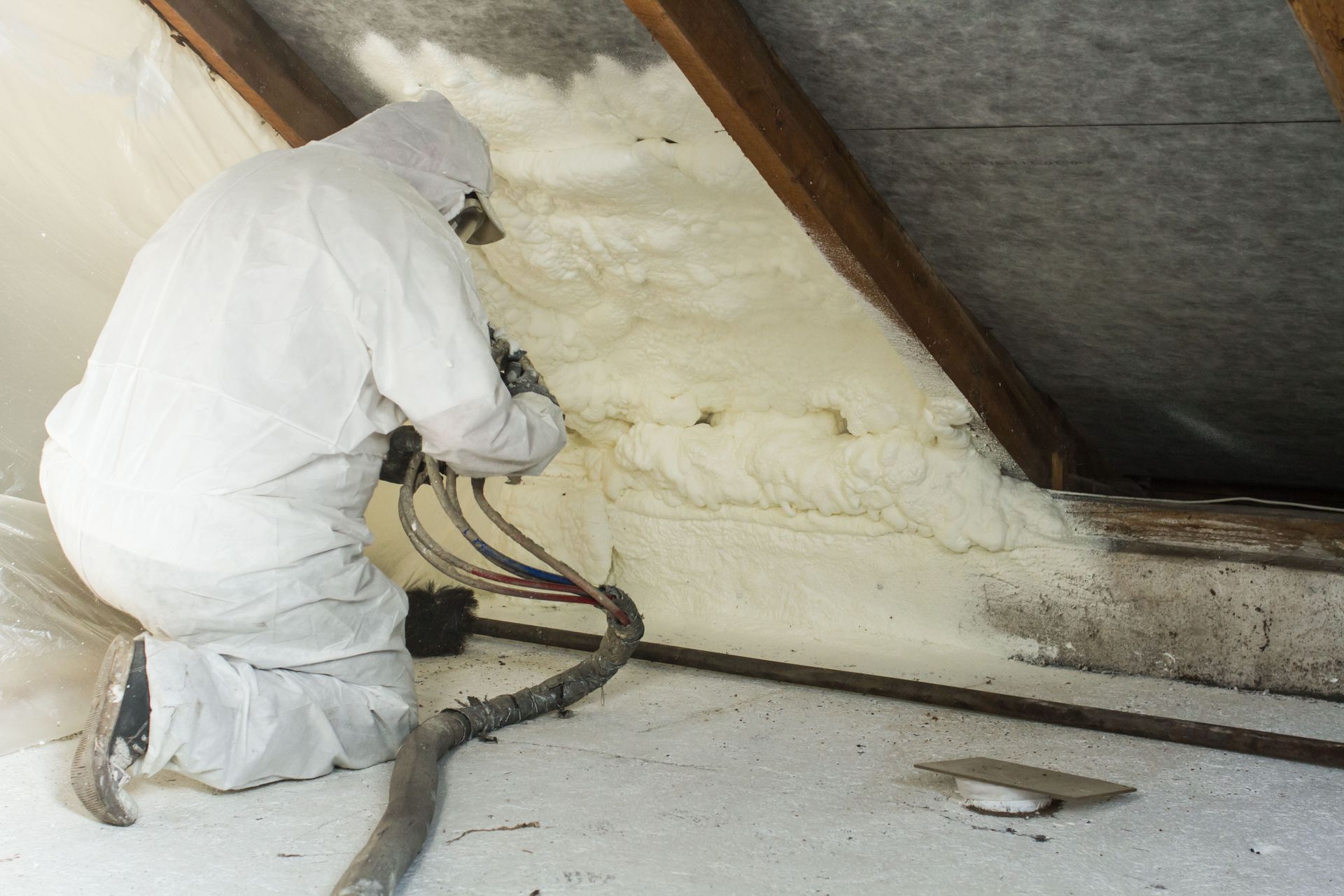
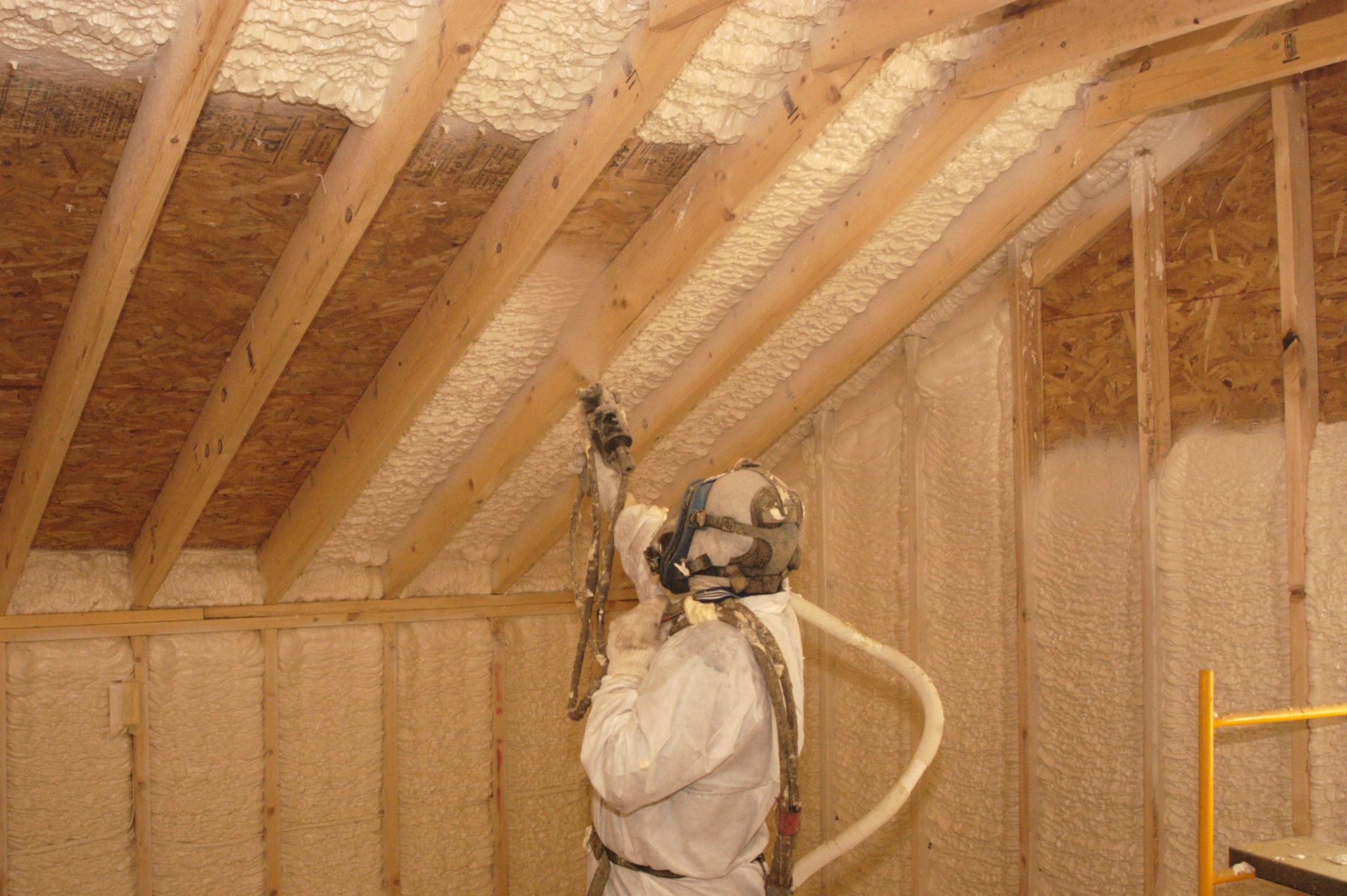
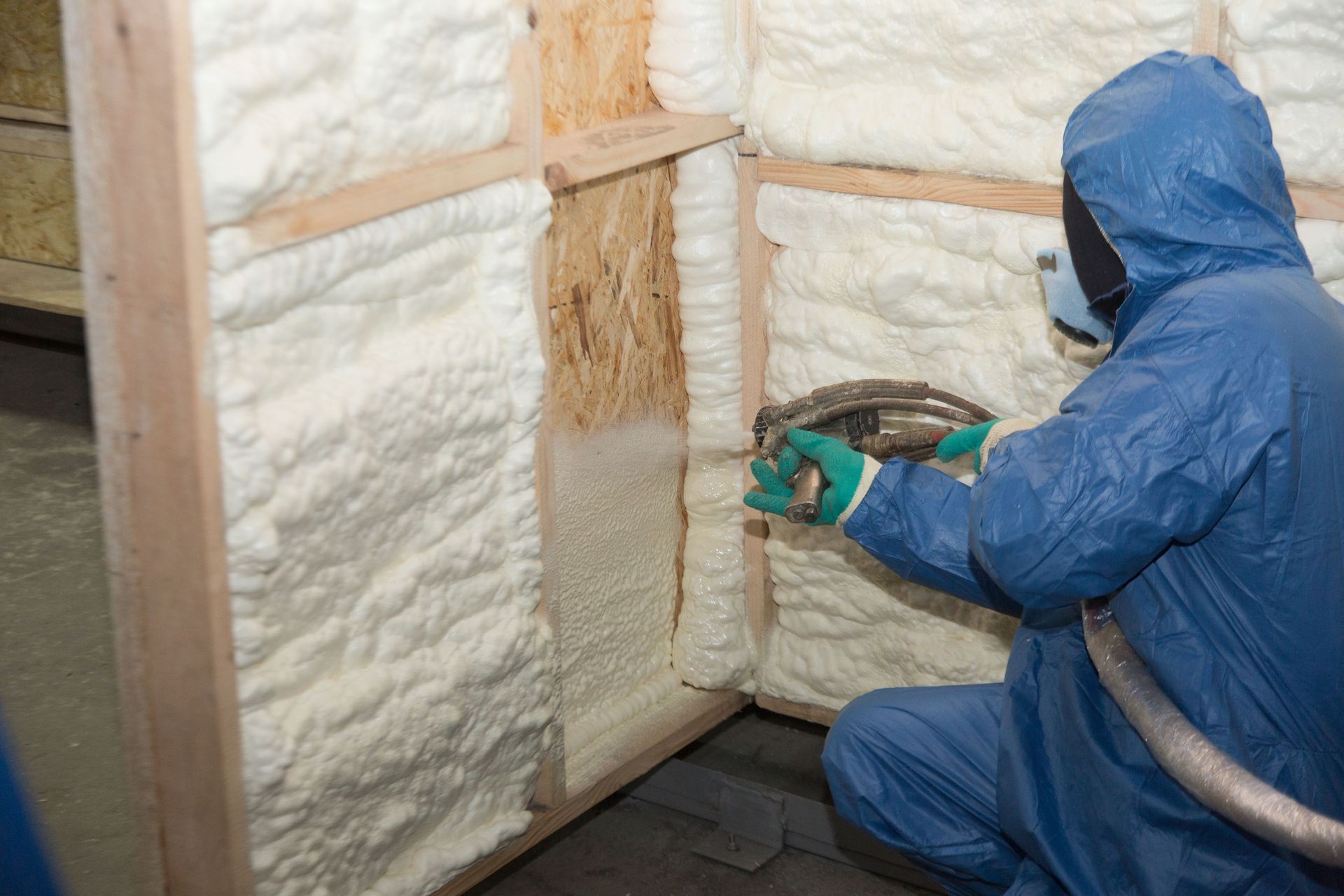
Spray foam insulation expands after application, allowing it to fill gaps, cracks, and irregular spaces. This creates an insulating layer while helping reduce unwanted air movement. Because air leakage can contribute to heat loss and heat gain, air sealing is an important benefit of this method.
There are two primary types: open-cell and closed-cell. Open-cell foam has a softer structure and can provide insulation and sound control, while closed-cell foam is denser and generally provides a higher R-value per inch. Closed-cell products can also offer greater moisture resistance in appropriate applications.
According to Home Advisor, the R-value of 2 inches of spray foam runs from 7 to 13, depending on the type of material. This range shows why material selection matters when evaluating insulation performance. A professional contractor can determine which product is appropriate based on the building's construction and performance requirements.
Traditional Insulation Options
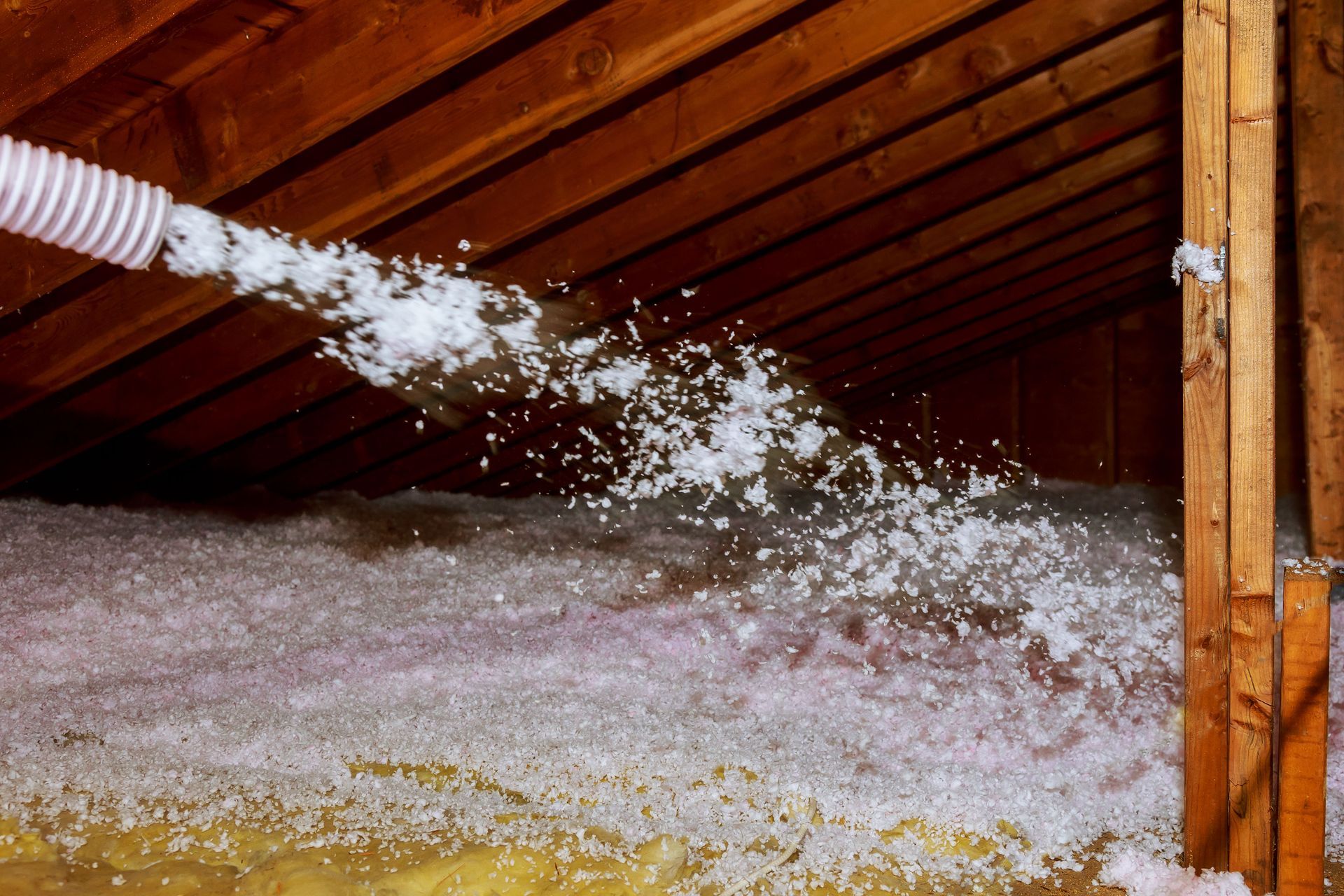
Traditional insulation includes fiberglass, cellulose, and mineral wool. These materials have been used extensively in residential and commercial construction and can provide reliable thermal resistance when properly selected and installed. Their availability and generally lower costs make them practical choices for many projects.
Fiberglass is commonly used in walls and attics, while cellulose is frequently used in retrofit applications. Mineral wool provides thermal resistance along with sound-control and fire-resistance characteristics. Each material has different properties that should be considered before installation.
Traditional insulation can perform effectively when properly suited to the building assembly. However, real-world performance depends on more than the material's listed R-value. Gaps, compression, settling, and air movement can all affect results.
Thermal Performance
One major difference between spray foam insulation and traditional materials is R-value per inch. Closed-cell foam generally provides more thermal resistance in less space than fiberglass or cellulose, which can be useful where available cavity depth is limited. Open-cell foam has a lower R-value per inch but still provides useful insulation and air-sealing benefits.
Fiberglass commonly provides an R-value of roughly 2.2 to 2.9 per inch, while cellulose generally falls around 3.1 to 3.8 per inch. Mineral wool can provide approximately 3.0 to 3.3 per inch, depending on the product. These ranges demonstrate why material type and installation depth are important.
Spray foam insulation also offers advantages beyond its listed R-value because it can create an air barrier. Traditional insulation primarily slows conductive heat transfer, while air sealing addresses heat movement caused by uncontrolled air leakage. Comparing materials solely by R-value may therefore not provide a complete picture.
Air Sealing and Building Comfort
Air movement can significantly affect energy efficiency and indoor comfort. Gaps around penetrations, framing connections, and other openings can allow conditioned air to escape and outdoor air to enter. Addressing these pathways can help maintain more stable indoor temperatures. Its ability to expand around irregular areas allows it to cover spaces that may be difficult to address with traditional materials. This can help create a more continuous building envelope when professionally installed.
Traditional insulation can also be effective as part of a well-designed building envelope. However, it may require additional air-sealing measures around openings and penetrations. The overall strategy should consider both thermal resistance and air movement.
Cost Considerations and Long-Term Value
Initial cost is an important factor when comparing insulation options. Traditional materials are generally less expensive than spray foam, making fiberglass, cellulose, or mineral wool attractive when budget is a primary concern. However, the lowest upfront price does not always represent the best long-term value.
Energy savings, durability, comfort, and installation requirements can affect the overall return on an insulation investment. A higher-performing material may cost more initially while offering additional benefits over time. Evaluating expected performance alongside installation costs provides a more complete comparison.
The appropriate choice also depends on where insulation is being installed. Areas with substantial air leakage or limited space may benefit from a higher-performance material, while straightforward cavities may be well suited to traditional insulation.
Different Climate Needs
Climate is an important consideration when selecting insulation. Buildings in areas with very hot summers or cold winters can experience substantial heat transfer, making effective insulation and air sealing particularly valuable. The right approach should account for seasonal temperatures and moisture conditions.
Spray foam insulation can be beneficial where controlling both heat transfer and air leakage is important. Closed-cell foam may also be appropriate where moisture resistance is a concern. Product selection should always be based on the specific building assembly and local conditions.
Traditional insulation can provide dependable performance across many climates. When properly installed and combined with appropriate air and moisture controls, fiberglass, cellulose, and mineral wool can contribute significantly to energy efficiency. Local building requirements should also be considered.
Building Design and Installation Considerations
Every building has different insulation requirements based on its design, age, construction materials, and existing insulation. Attics, walls, crawl spaces, and ceilings may have different performance requirements. A material that works well in one area may not be the best choice elsewhere.
Spray foam insulation can adapt to irregular surfaces because it expands during application. This makes it useful for complex spaces where continuous coverage is important. Professional application helps ensure that product selection, thickness, and coverage meet project requirements.
Traditional insulation may be well suited to standard wall cavities and other predictable spaces. Its performance depends heavily on complete coverage and avoiding gaps or compression. Professional installation can help ensure the material delivers its expected thermal performance.
Moisture and Indoor Environmental Considerations
Moisture control is another important part of an effective insulation strategy. Excess moisture can contribute to material deterioration and affect the building's indoor environment. Insulation should therefore be evaluated alongside ventilation, drainage, and other building-envelope components.
Closed-cell spray foam can provide greater moisture resistance than many traditional materials. This can make it useful in certain applications where moisture exposure is a concern. However, insulation should not replace correction of an underlying moisture problem.
Traditional insulation can also perform effectively when installed in appropriate locations with suitable moisture controls. The right solution depends on the construction assembly and environmental conditions. Professional evaluation can help determine how insulation should work with the building envelope.
Energy Efficiency and Utility Costs
Effective insulation can reduce the energy needed to maintain comfortable indoor temperatures. When less heat enters during summer and escapes during winter, heating and cooling systems may not need to operate as frequently. This can contribute to lower energy consumption and improved comfort.
Spray foam insulation can support these goals through its combination of thermal resistance and air sealing. Reducing uncontrolled air movement complements the material's ability to slow conductive heat transfer. The result can be a more consistent building envelope when the product is correctly selected and installed.
Traditional insulation can also contribute to meaningful energy savings. Its performance can be especially effective when the material provides complete coverage and is paired with appropriate air-sealing strategies. The best approach depends on the building rather than one material being universally superior.
Professional Insulation Services
North Central Insulation can help property owners evaluate their insulation needs and determine which solution makes sense for their building. Whether a project calls for spray foam or another insulation material, professional service can support consistent coverage, energy efficiency, and long-term comfort. Contact North Central Insulation to discuss your insulation project and explore an appropriate solution for your property.