December 26, 2025
In today's world, energy efficiency has become a pressing concern for homeowners and businesses alike. The rising costs of energy and the environmental impact of excessive energy consumption have driven the demand for more efficient solutions. Among various methods to enhance energy efficiency, insulation plays a crucial role, and spray foam insulation stands out as a leading option. This article introduces spray foam insulation as a key method for achieving substantial improvements in energy efficiency in both residential and commercial buildings. By understanding the benefits and applications of spray foam, one can make informed decisions to optimize energy usage and contribute to a more sustainable future.
Understanding Spray Foam Insulation
What is Spray Foam Insulation?
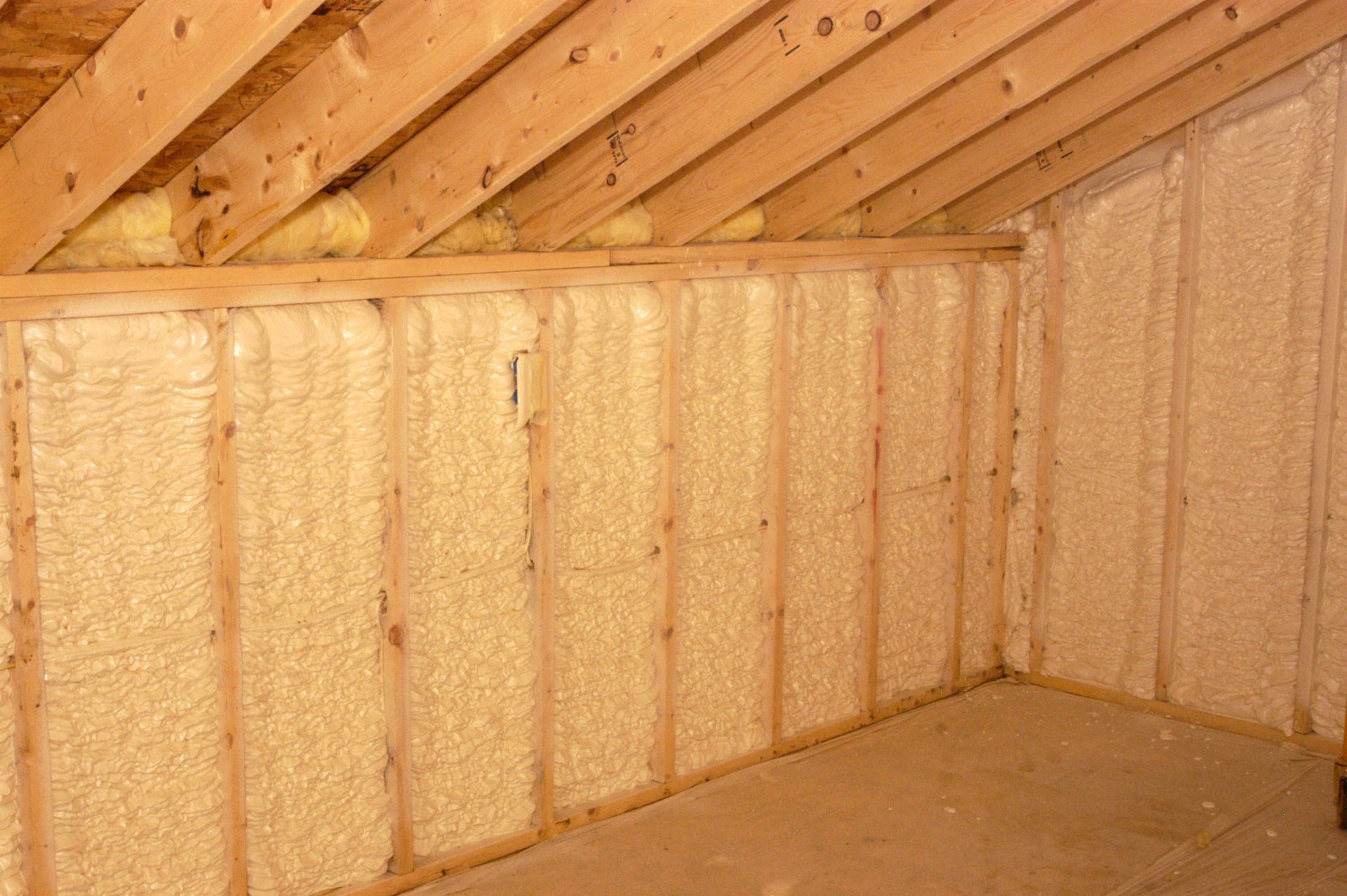
Spray foam insulation is a modern insulating material that is applied as a liquid and then expands to form a solid barrier. Its unique application method allows it to fill gaps and crevices, providing superior coverage compared to traditional insulation types. Once cured, spray foam creates a continuous insulation layer, which helps to prevent air leakage and moisture infiltration. This not only improves the thermal envelope of a building but also contributes to better indoor air quality. Overall, spray foam insulation is valued for its versatility, performance, and long-lasting effects.
Types of Spray Foam: Open-cell vs. Closed-cell
Spray foam insulation comes in two main types: open-cell and closed-cell. Open-cell spray foam is less dense and offers a softer texture, making it ideal for interior walls and ceilings. It provides good insulation and soundproofing, but its lower density means it is more permeable to moisture. Closed-cell foam, on the other hand, is denser and more rigid, offering higher thermal resistance and moisture barrier capabilities. This makes it suitable for exterior applications and areas prone to damp conditions. Choosing between the two depends on the specific insulation needs and environmental factors of a building.
How Spray Foam Expands and Cures
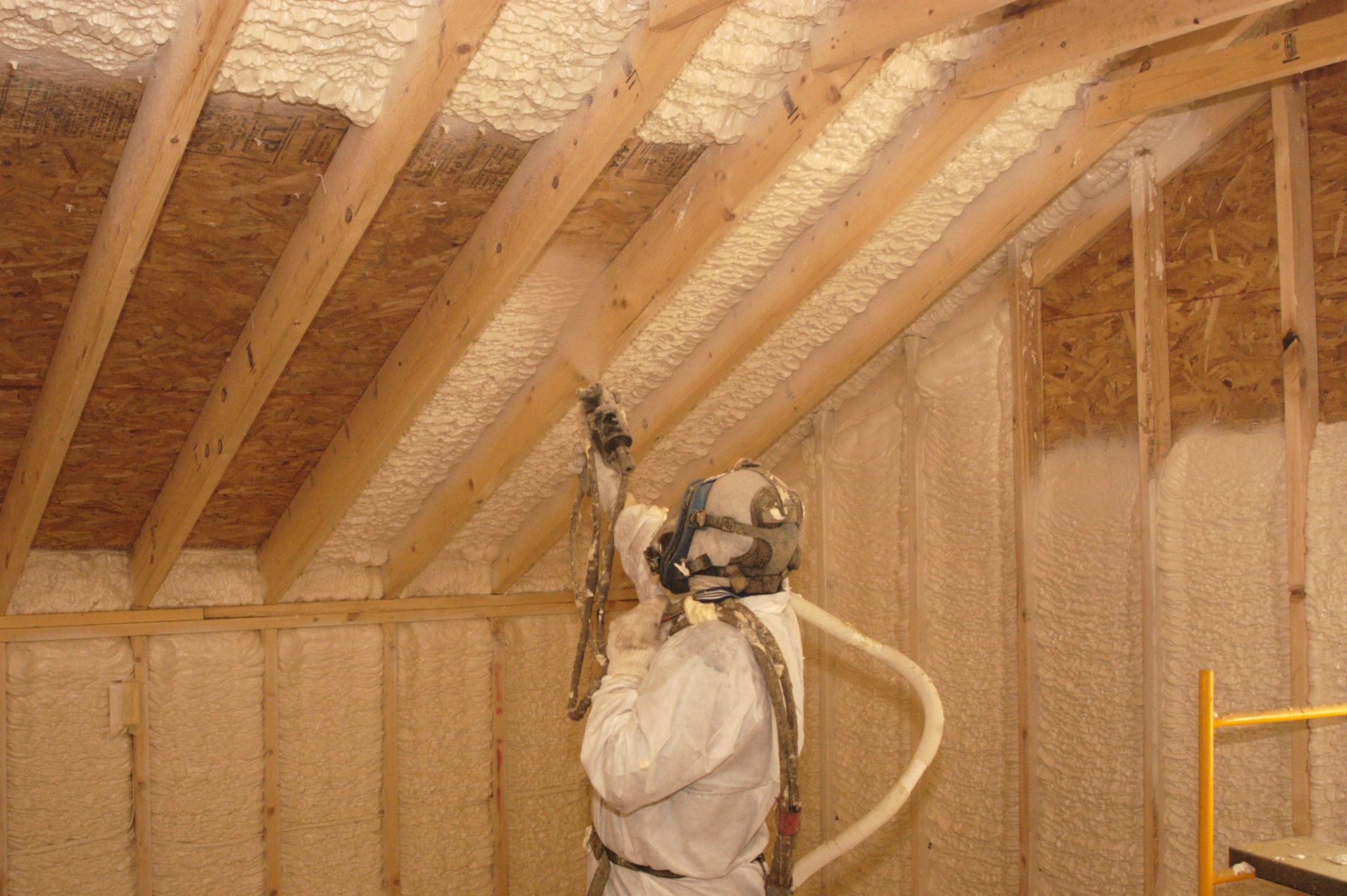
When spray foam is applied, it begins in a liquid state composed of two main chemical components. As these components combine and react, the foam begins to expand rapidly, filling every nook and cranny of the application area. This expansion process is essential for achieving comprehensive coverage and an effective seal against air leakage. After expanding, the foam begins to cure, transforming into a solid structure that holds its shape. Within a few hours, the foam becomes fully cured, offering a robust insulation layer that boosts both comfort and energy efficiency.
Key Materials Used in Spray Foam
Spray foam insulation primarily consists of a combination of isocyanate and polyol resin. These materials interact to create the foam's unique expanding properties. Additional additives may be included in formulations to enhance characteristics such as fire resistance, adhesion, and flexibility. The careful selection of materials in spray foam production ensures that the insulation not only performs well but also meets safety and environmental regulations. Ultimately, the materials in spray foam are designed to enhance the insulation's efficiency and effectiveness.
Environmental Impact and Sustainability
Sustainability is increasingly becoming a priority in construction and home improvement, and spray foam insulation is contributing positively to this goal. While the initial production process involves chemical compounds, advancements in formulations aim to reduce environmental impact. For instance, many modern spray foams are developed with lower global warming potential (GWP) blowing agents. Furthermore, efficient insulation can significantly reduce energy consumption, thereby decreasing a building's carbon footprint. Overall, spray foam insulation represents a stride toward more sustainable building practices.
Benefits of Spray Foam for Energy Efficiency
Superior Air Sealing Capabilities
One of the most significant benefits of spray foam insulation is its superior ability to seal air leaks. By expanding to fill cracks, crevices, and voids, spray foam creates an airtight barrier. This helps prevent unwanted air infiltration, which is a leading cause of energy loss in buildings. By effectively sealing gaps, spray foam contributes to a more consistent indoor temperature, reducing the need for energy-intensive heating and cooling.
Thermal Resistance and R-Value
Spray foam insulation boasts an impressive thermal resistance, commonly referred to as R-value, which measures an insulation material's ability to resist heat flow. Closed-cell spray foam has one of the highest R-values among insulation materials, making it highly effective in minimizing thermal transfer. This property ensures that less heat escapes in winter and less enters in summer, greatly enhancing indoor comfort. The high R-value also reduces the workload on HVAC systems, contributing to lower energy bills and decreased wear and tear on heating and cooling equipment. Thus, spray foam insulation provides an excellent return on investment through increased energy efficiency and savings.
Moisture Barrier and Water Resistance
Beyond its thermal resistance, spray foam insulation also serves as an effective moisture barrier. Closed-cell spray foam, in particular, is known for its resistance to water penetration, which helps prevent moisture build-up that could lead to mold and structural damage. By keeping water out, spray foam protects a building's integrity and extends the lifespan of construction materials. Additionally, the foam helps maintain a dry and comfortable indoor environment, which is especially beneficial in humid climates. Consequently, using spray foam insulation is a proactive measure to safeguard buildings against moisture-related issues.
Durability and Longevity of Insulation
When investing in insulation, durability and longevity are crucial factors, and spray foam delivers on both fronts. Once cured, spray foam becomes a tough and stable insulating material that can withstand environmental stresses without degrading. This durability ensures that the material remains effective over time, providing a long-term solution to energy efficiency challenges. Unlike some other insulation types that may settle or sag, spray foam maintains its form and insulating properties for decades. As a result, it offers peace of mind to property owners looking for a lasting and reliable insulation option.
Reduction of HVAC System Load
The air sealing and high R-value characteristics of spray foam insulation work together to reduce the load on HVAC systems significantly. By maintaining more consistent indoor temperatures, heating and cooling systems operate less frequently and more efficiently. This reduction in system strain not only saves energy but also lowers maintenance costs and extends the lifespan of HVAC equipment. In long-term scenarios, the reduced load equates to substantial energy savings, justifying the investment in spray foam insulation. Therefore, optimizing HVAC performance is a key driver for selecting spray foam as an energy efficiency measure.
Cost-Benefit Analysis of Spray Foam Insulation
Initial Installation Costs
Spray foam insulation can have a higher upfront cost compared to traditional insulation types like fiberglass or cellulose. This is largely due to the specialized equipment and professional expertise required for proper installation. However, the initial investment should be viewed in light of the long-term benefits and energy savings that spray foam provides. Over time, these savings can offset the higher initial costs, making spray foam a financially sound decision. Homeowners who prioritize quality and efficiency often find that the benefits of spray foam justify the expense.
Long-term Energy Savings
The energy-saving benefits of spray foam insulation are significant and continue to accrue over the lifespan of a building. By reducing air leaks and optimizing thermal resistance, spray foam helps cut energy consumption dramatically. According to the U.S. Department of Energy, structures with spray foam insulation experience around 35% to 40% better energy efficiency, contributing to lower utility bills. Over the years, the cumulative savings can become substantial, making spray foam an attractive option for energy-conscious property owners. Thus, the focus on long-term energy saving is a critical component of the cost-benefit analysis of spray foam insulation.
Maintenance and Upkeep
In terms of maintenance, spray foam insulation is relatively low-maintenance compared to other insulation types. Once properly installed and cured, there is little need for upkeep, and the insulation remains effective for decades. Unlike traditional insulation that may require replacement due to pest damage or sagging, spray foam's strong air seal protects against such issues. Additionally, its moisture-resistant properties help avoid mold and mildew, further reducing potential maintenance concerns. Overall, the durability and self-sustaining nature of spray foam contribute to its long-term value as an insulation choice.
Return on Investment (ROI)
Assessing the return on investment for spray foam insulation involves considering both monetary savings and non-monetary benefits, such as increased comfort and property value. The energy savings garnered from lower heating and cooling costs often result in a favorable ROI within a few years of installation. Moreover, the enhanced comfort and reduced environmental impact further bolster the value proposition of spray foam insulation. As energy costs continue to climb, the ROI on spray foam insulation is likely to improve even further. Thus, investing in spray foam insulation is often regarded as a prudent financial decision for both residential and commercial applications.
Comparative Analysis with Other Insulation Types
When compared to traditional insulation types such as fiberglass, cellulose, or mineral wool, spray foam insulation offers distinct advantages. Its higher R-value and superior air-sealing abilities make it more efficient in energy performance. Additionally, spray foam's longevity and capacity to serve as a moisture barrier add to its appeal. While other insulation types may be less expensive initially, the long-term energy savings and durability of spray foam often outweigh the cost differences. Therefore, when evaluating insulation options, spray foam consistently emerges as a top choice for those seeking both efficiency and durability.
Application Techniques and Considerations
Preparation of Surfaces for Insulation
Proper preparation of the application surface is crucial for the success of spray foam insulation installation. Surfaces should be clean, dry, and free from debris to ensure optimal adhesion and performance. Professional installers usually conduct a thorough inspection to identify areas that require sealing or repair before applying the foam. Additionally, ensuring that there are no barriers to expansion, such as existing insulation materials, is essential. This preparation step not only facilitates a seamless installation process but also maximizes the energy-saving potential of the spray foam.
Professional Installation vs. DIY Options
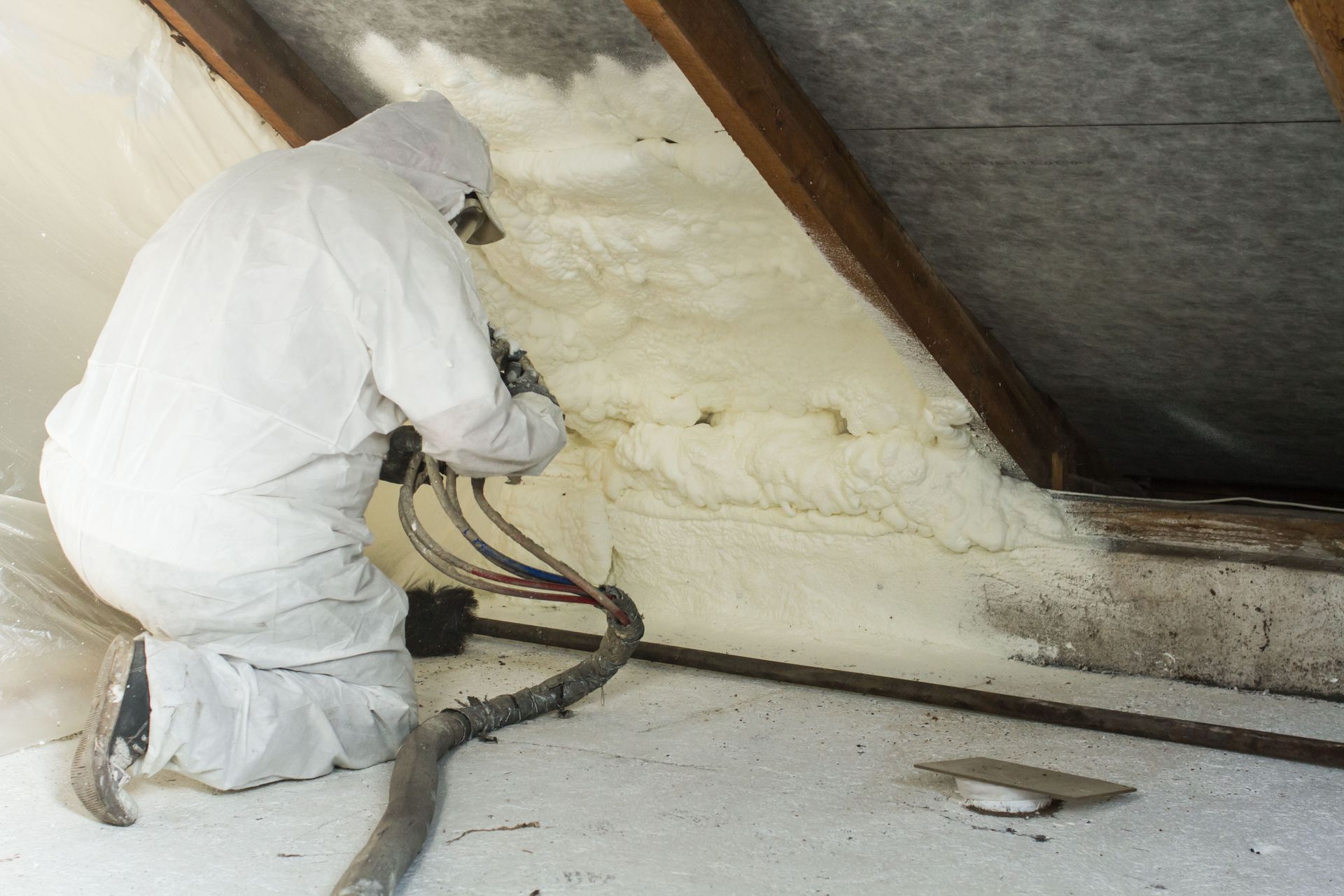
While there are DIY spray foam kits available in the market, professional installation is often recommended to achieve the best results. Trained installers have the expertise to apply the foam evenly and safely, minimizing waste and ensuring compliance with building codes. They also have access to quality materials and advanced equipment necessary for effective application. On the other hand, DIY installations can result in uneven application or inadequate coverage, compromising the insulation's performance. Therefore, for most property owners, opting for professional installation is a wise decision to ensure long-term effectiveness.
Safety Precautions and Regulations
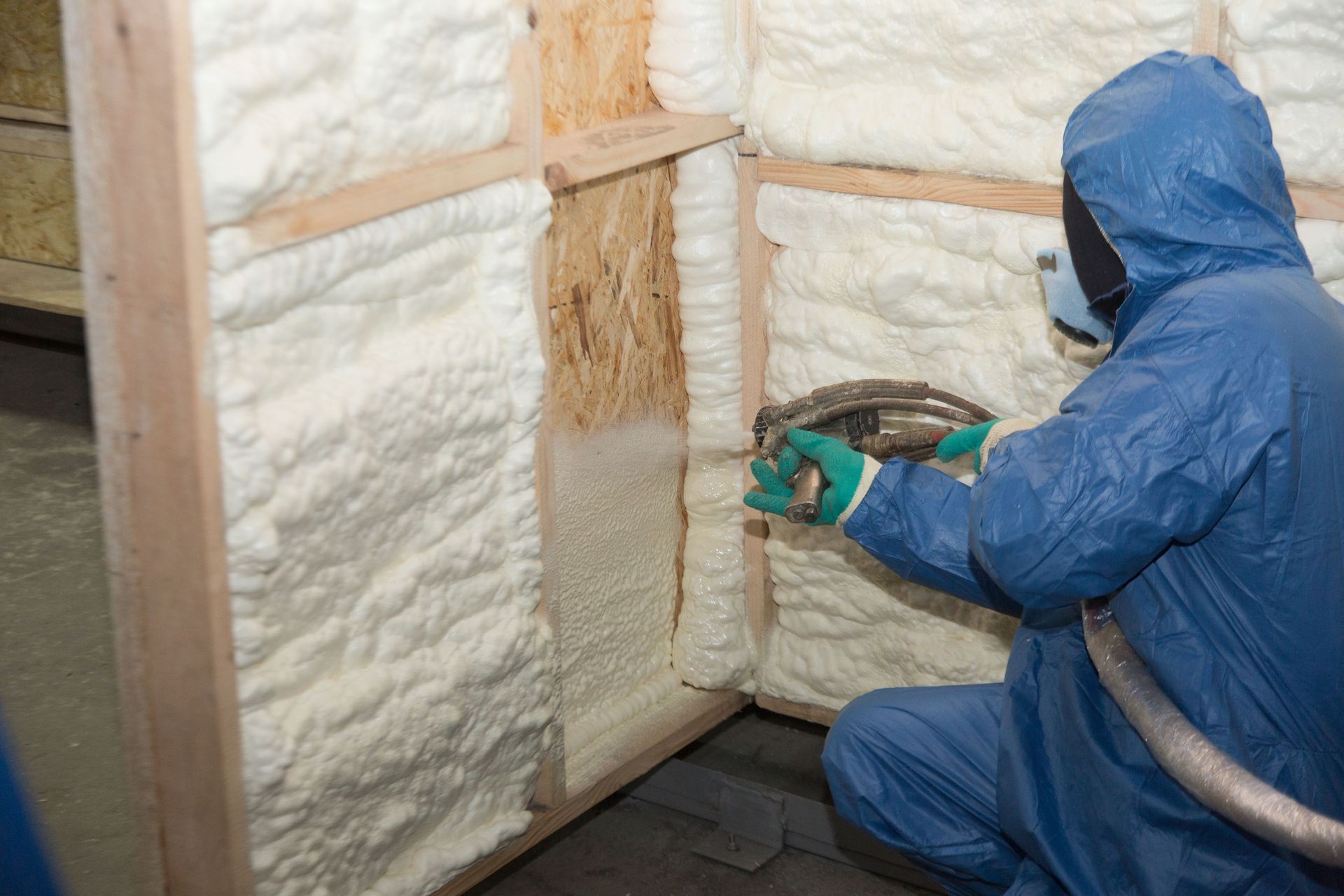
Safety is a critical consideration during the application of spray foam insulation. Both installers and occupants should be aware of potential hazards, such as exposure to chemicals and fumes during installation. Proper ventilation and personal protective equipment (PPE) are necessary to mitigate health risks during the application process. Furthermore, adherence to local building codes and regulations is essential to ensure compliance and safety. Professional installers are typically well-versed in these safety protocols, which underscores the advantages of hiring experienced contractors for the job.
Common Mistakes and How to Avoid Them
Some common mistakes in spray foam insulation installation include incorrect mixing ratios, uneven application, and insufficient curing time. These errors can lead to subpar performance and may require costly rectification. To avoid such issues, employing skilled professionals who follow industry-best practices is recommended. Additionally, regular inspection and maintenance can help identify potential problems before they escalate. Awareness and proactive measures are vital for homeowners and contractors to ensure that the benefits of spray foam insulation are fully realized.
Retrofitting Existing Structures
Retrofitting existing structures with spray foam insulation is an effective strategy to enhance energy efficiency. This is especially beneficial for older buildings with outdated or insufficient insulation. Application techniques need to be adapted to the existing construction, requiring careful evaluation of the building's characteristics. While retrofitting can be more complex than new installations, the resulting energy savings and increased comfort are well worth the effort. Ultimately, retrofitting with spray foam is a practical way to modernize and improve the performance of existing properties.
Case Studies and Real-World Applications
Residential Homes
Residential homes benefit significantly from the installation of spray foam insulation, which improves both comfort and energy efficiency. In one notable case study, a homeowner in a cold climate retrofitted their entire house with spray foam, resulting in a dramatic reduction in heating costs during winter. The home's air quality and temperature regulation also improved, providing greater satisfaction and comfort for the residents. Such real-world applications demonstrate the tangible benefits homeowners can experience with spray foam insulation. Consequently, this approach is gaining popularity in residential building projects across varied climates.
Commercial Buildings
Commercial buildings, with their larger scale and complex structures, also stand to gain from utilizing spray foam insulation. A case study featuring a multi-story office building highlighted impressive energy savings and improved temperature control after upgrading to spray foam. The reduction in air leaks and enhanced thermal performance led to a substantial decrease in yearly energy expenses. Additionally, the improved insulation helped maintain a consistent indoor environment, which is valuable for employee productivity and comfort. Such examples underscore the efficacy of spray foam in commercial settings, where energy efficiency is a crucial consideration.
Industrial Facilities
Industrial facilities, with their demanding energy needs and environmental challenges, can successfully incorporate spray foam insulation into their energy-saving strategies. For instance, a manufacturing plant that switched to spray foam insulation reduced its overall energy consumption by almost 30%, leading to significant cost savings. In the harsh industrial environment, the durability and moisture resistance of spray foam proved invaluable. Moreover, the improved insulation enhanced the facility's operational efficiency by providing better climate control and equipment protection. Thus, spray foam insulation emerges as an effective solution for industrial applications, delivering performance and savings.
Unique Cases and Challenges
Some unique cases present challenges that require tailored solutions using spray foam insulation. For example, historical buildings or structures with unconventional designs may pose obstacles in insulation due to their intricate architecture. In such scenarios, spray foam's adaptability and ability to conform to complex surfaces provide an advantage. A specific case involved a 19th-century church that required discreet and effective insulation to preserve its original appearance while enhancing energy efficiency. By utilizing spray foam, the project successfully maintained the aesthetic integrity of the structure while significantly reducing energy consumption.
Comparative Energy Efficiency Results
Comparative energy efficiency results from different case studies consistently show spray foam insulation as a standout performer. In side-by-side comparisons with structures insulated using traditional materials, spray foam consistently delivers superior airtightness and thermal resistance. Buildings retrofitted or newly constructed with spray foam exhibit notable improvements in energy-use reduction, indoor air quality, and moisture management. These results affirm that spray foam insulation is an excellent choice for those focused on sustainability and long-term savings. Therefore, empirical evidence from diverse applications underscores the value of spray foam as a modern insulation solution.
Future Trends in Insulation Technology
Advancements in Spray Foam Formulations
As the demand for efficient insulation solutions grows, advancements in spray foam formulations continue to evolve. Researchers and manufacturers are focused on creating foams with reduced environmental impact while maintaining their superior performance characteristics. Recent developments include formulations with lower global warming potential and the use of renewable materials. Additionally, improvements in foam resilience and longevity are on the horizon, broadening the applications and appeal of spray foam insulation. These innovations promise to enhance the efficiency and sustainability of spray foam in the coming years.
Integration with Smart Home Technologies
Spray foam insulation is increasingly being integrated with smart home technologies to maximize energy efficiency in modern buildings. Innovations such as energy monitoring systems and smart thermostats can now interface efficiently with buildings insulated with spray foam. This synergy allows homeowners to track energy consumption and adjust their usage to align with sustainability goals. Moreover, automated systems can optimize HVAC operation based on real-time environmental data, further enhancing savings. Consequently, combining spray foam insulation with smart technologies represents the future of intelligent and efficient home management.
Regulatory Changes and Standards
Regulatory changes and evolving standards are shaping the future landscape of insulation technology, including spray foam. Governments worldwide are imposing stricter building codes to promote energy efficiency, requiring higher performance from insulation materials. Spray foam has consistently met these stringent standards, thanks to its excellent R-value and air-sealing capabilities. Additionally, ongoing research and compliance with safety and environmental regulations further solidify spray foam's role in future building projects. As regulations continue to change, spray foam remains a reliable choice to meet and exceed energy efficiency requirements.
Innovative Installation Techniques
Improving installation techniques is an ongoing focus for industry professionals to maximize the benefits of spray foam insulation. Technological advancements such as robotic-assisted and precision application methods are being explored to achieve uniform coverage and minimize waste. These innovations aim to enhance the efficiency and effectiveness of installation processes. Additionally, enhanced training programs are equipping installers with the skills required to tackle complex projects and emerging challenges. Embracing these innovative techniques ensures that spray foam insulation continues to lead in performance and application quality.
Environmental Awareness and Consumer Preferences
Environmental awareness among consumers is growing, driving demand for sustainable and effective insulation solutions like spray foam. People are increasingly aware of their carbon footprint and the impact of energy consumption on the planet. As a result, there is a clear preference for insulation products that offer long-term efficiency and minimal environmental impact. Spray foam insulation, with its durability, performance, and sustainability credentials, aligns perfectly with these consumer expectations. Hence, the ongoing shift towards environmentally conscious decision-making is poised to fuel the adoption of spray foam in various markets.
The benefits of spray foam insulation make it energy efficient for homes across the country. If you're looking for spray foam insulation services, don't hesitate to reach out to North Central Insulation today.