December 23, 2025
In an era where energy efficiency and sustainability are at the forefront of commercial construction, spray foam insulation has emerged as a pivotal technology. Its role extends beyond basic thermal control, offering measurable financial advantages that directly affect long-term operating budgets. For property owners and facility managers evaluating commercial insulation options, spray foam presents a solution that balances performance, durability, and cost efficiency. This article explores how spray foam insulation functions as a cost-saving asset while supporting operational stability and sustainability goals across a wide range of building types.
Energy Efficiency and Operational Cost Reduction
One of the most immediate financial benefits of spray foam insulation is its impact on energy efficiency. By creating a continuous thermal barrier, it limits heat transfer between indoor and outdoor environments. This reduction in thermal exchange allows heating and cooling systems to operate with greater consistency and less strain. According to the U.S. Department of Energy, spray foam insulation can reduce the workload on HVAC systems by up to 35%. As a result, facilities using insulation solutions such as spray foam often experience noticeably lower utility expenses throughout the year, even during periods of extreme weather.
Lower energy demand directly translates to reduced monthly operating costs. Over time, these recurring savings accumulate into a meaningful return on investment, especially for large commercial properties with extensive climate-controlled areas. Businesses benefit not only from lower bills but also from more predictable energy usage patterns that simplify budgeting and long-term financial planning. Consistent performance also helps organizations avoid sudden cost spikes tied to inefficient energy use.
Superior Air Sealing and Temperature Control
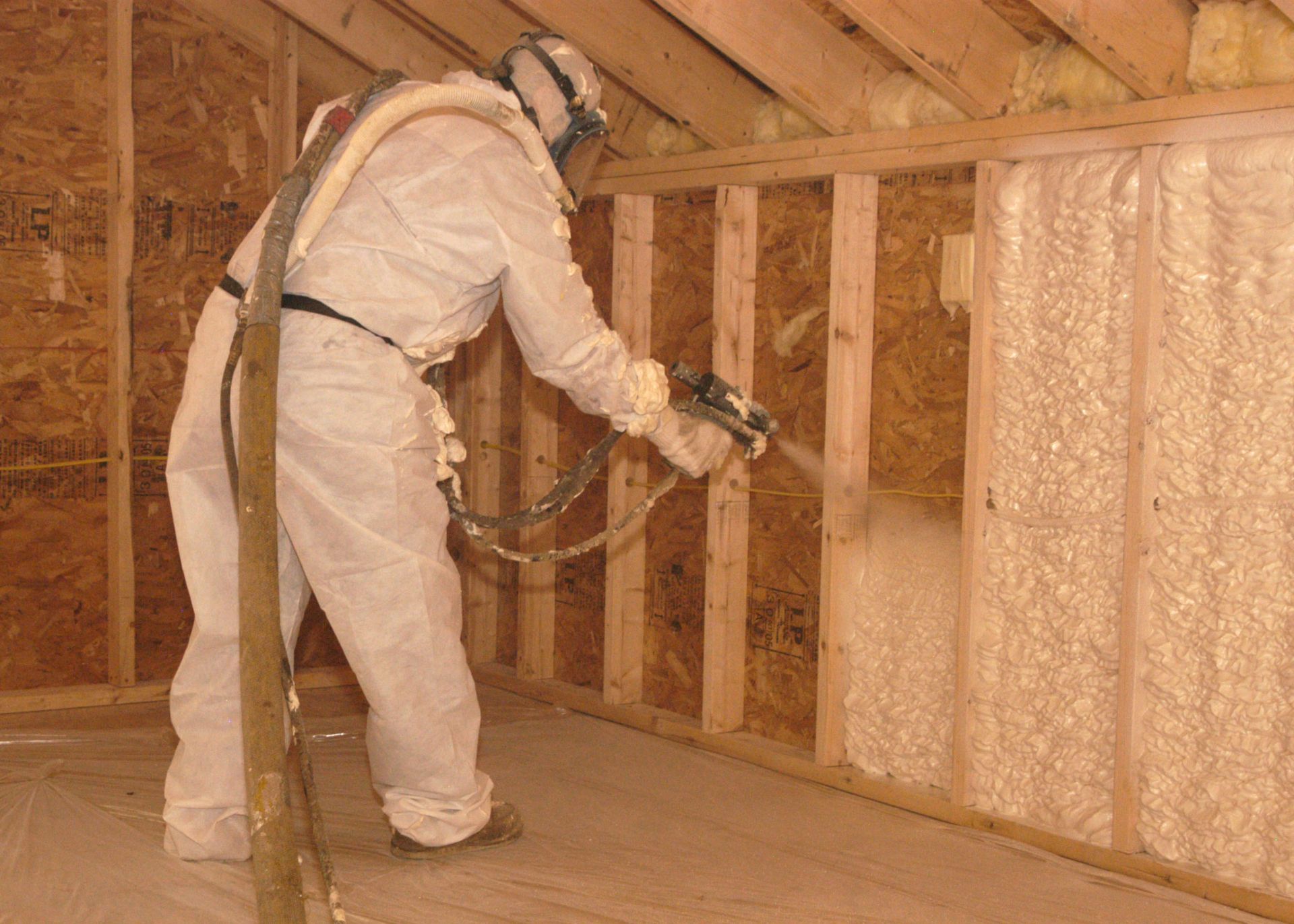
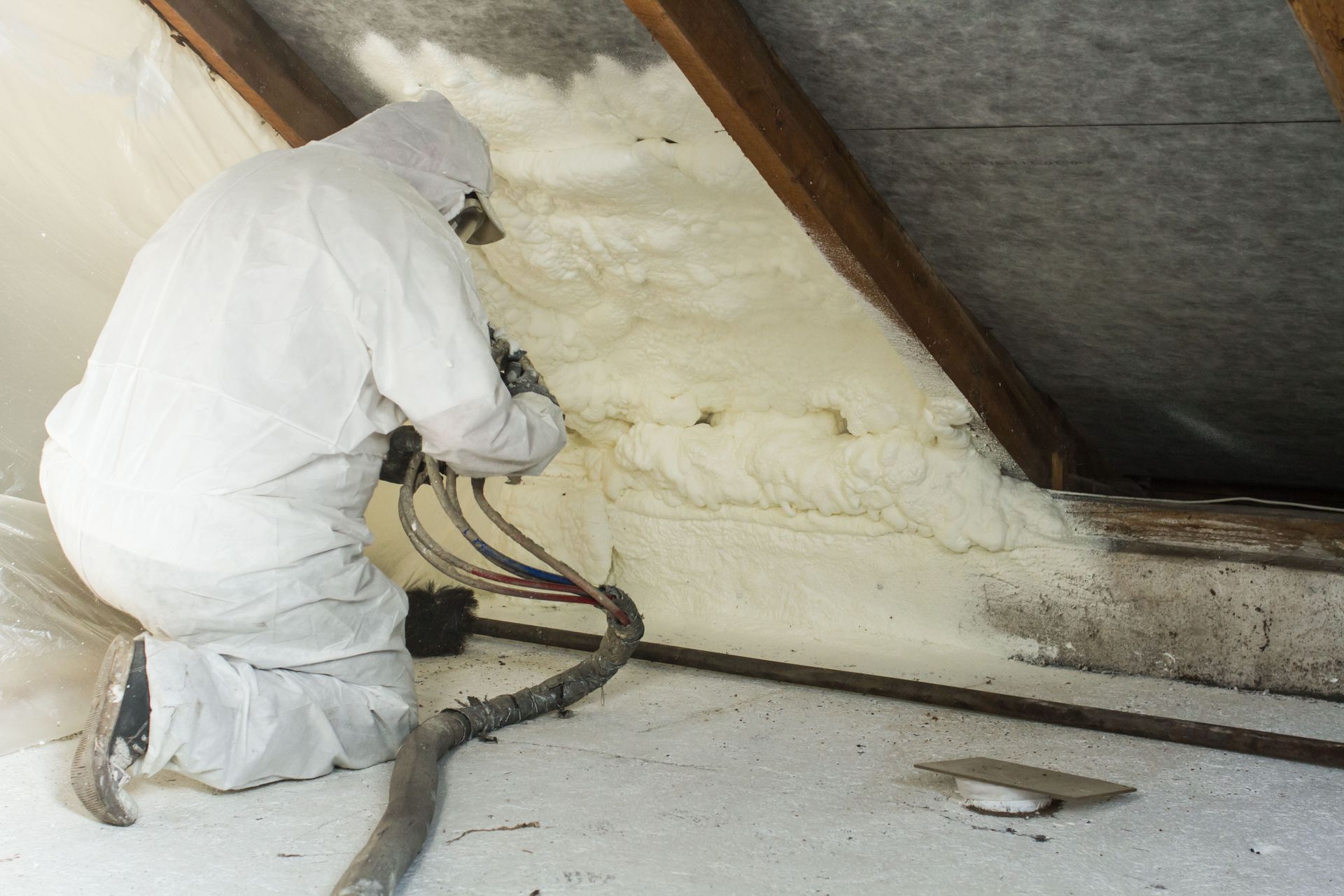
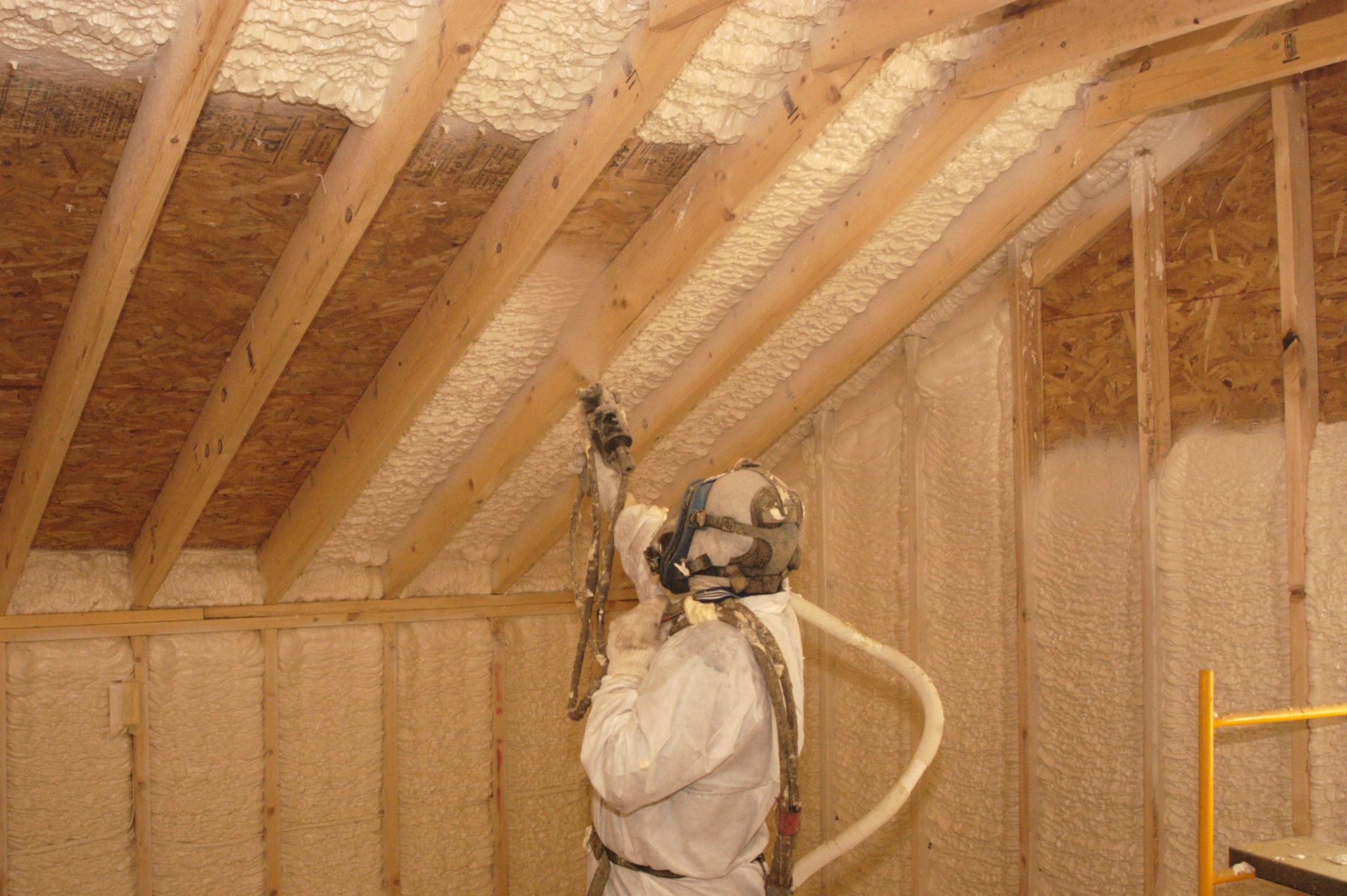
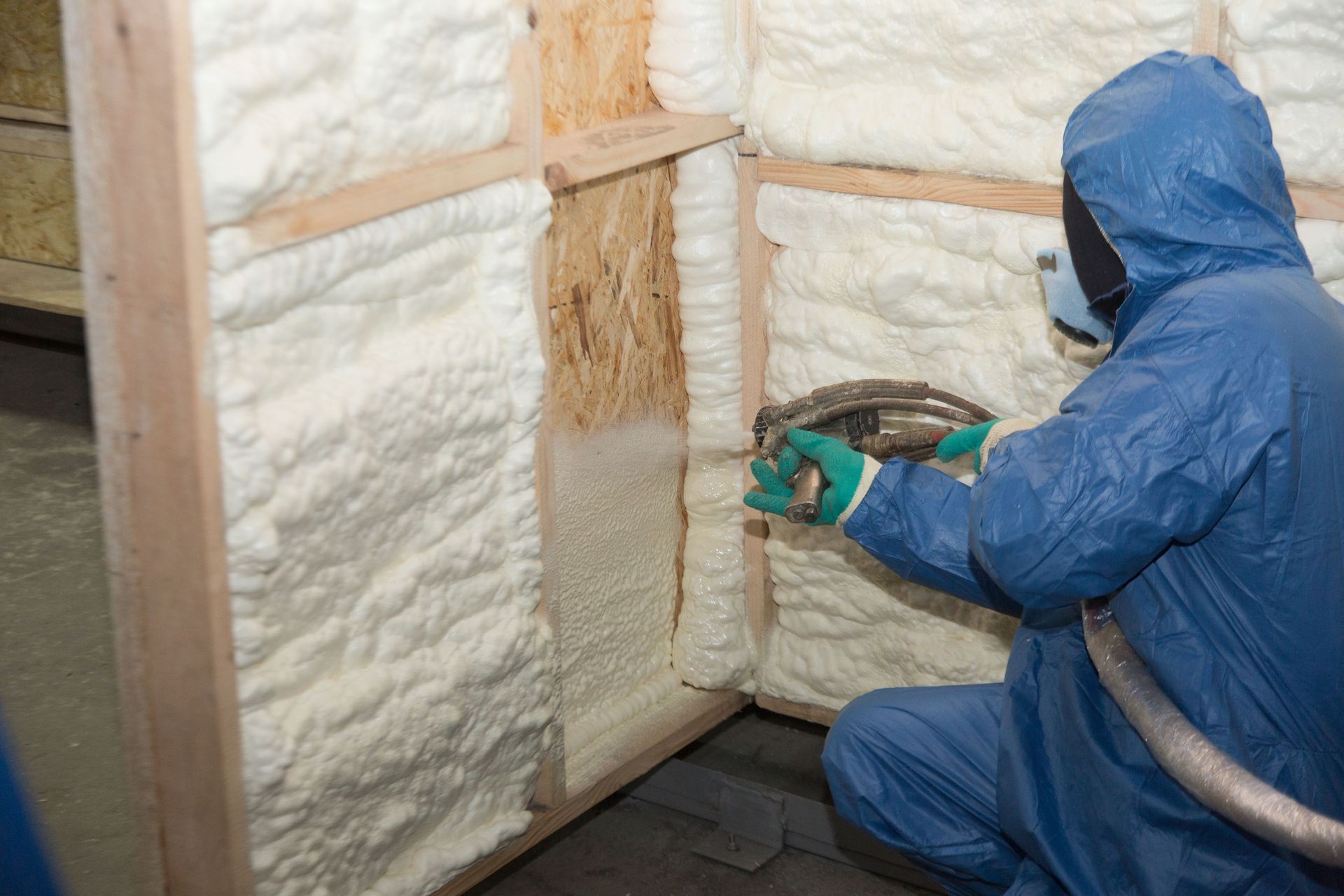
Unlike traditional insulation materials, spray foam expands upon application, filling gaps and sealing penetrations that commonly allow air leakage. This air-sealing capability stabilizes interior temperatures and eliminates drafts that force HVAC systems to cycle excessively. The result is a more controlled indoor environment that supports both comfort and operational efficiency.
For organizations focused on optimizing commercial insulation performance, air sealing is a critical factor. Reduced air infiltration minimizes wasted energy and supports consistent indoor conditions regardless of seasonal fluctuations. This stability also improves temperature balance between rooms and floors, which is especially important in large or multi-use facilities.
Extended HVAC System Performance
HVAC systems represent a significant capital investment for commercial buildings, and their longevity is closely tied to workload and operating conditions. Spray foam insulation reduces system strain by maintaining interior temperatures more effectively. When heating and cooling systems are not forced to compensate for energy loss, they operate more efficiently and under less stress.
Over time, this reduced demand leads to fewer breakdowns and lower maintenance costs. Businesses that integrate high-quality commercial insulation frequently report longer equipment lifespans and reduced repair expenses. These benefits also help maintenance teams operate more proactively rather than responding to frequent emergency repairs.
Durability and Long-Term Financial Stability
Spray foam insulation is known for its durability, often lasting as long as the structure itself when properly installed. Unlike materials that compress, shift, or degrade over time, spray foam maintains its shape and performance characteristics for decades. This consistency ensures reliable thermal performance year after year.
From a financial perspective, durability is a key advantage in commercial insulation planning. Avoiding frequent replacement cycles allows organizations to allocate resources to other operational priorities while maintaining dependable building performance and minimizing long-term expenditures.
Moisture Resistance and Structural Protection
Moisture intrusion is a common contributor to structural damage and indoor air quality issues. Spray foam insulation resists moisture absorption, helping to prevent condensation and reducing the risk of mold or mildew development. This protective quality safeguards building materials and limits the need for costly remediation efforts.
By controlling moisture levels, spray foam also supports structural integrity over time. Facilities that invest in moisture-resistant building materials benefit from fewer repair risks, reduced downtime, and improved compliance with health and safety standards.
Environmental Performance and Regulatory Alignment
Energy efficiency plays a central role in modern sustainability initiatives, and spray foam insulation supports these objectives by reducing overall energy consumption. Lower energy demand results in decreased greenhouse gas emissions, helping organizations meet internal sustainability targets and external regulatory requirements.
For companies navigating evolving building codes and environmental standards, advanced commercial insulation solutions simplify compliance. Spray foam’s performance characteristics often exceed minimum requirements, reducing the likelihood of costly retrofits or penalties as regulations continue to tighten.
Installation Efficiency and Cost Control
The installation process for spray foam insulation is generally faster and more precise than traditional methods. Its ability to adhere directly to surfaces reduces labor time and minimizes material waste. This efficiency shortens project timelines and limits operational disruptions during construction or renovation activities.
When evaluating insulation investments for large facilities, installation efficiency plays a critical role in overall cost management. Faster completion allows operations to resume sooner, protecting productivity and reducing indirect financial impacts associated with downtime.
Indoor Air Quality and Workplace Productivity
By sealing gaps and limiting the entry of airborne pollutants, spray foam insulation contributes to improved indoor air quality. Reduced exposure to dust, allergens, and outdoor contaminants supports healthier work environments and more consistent comfort levels.
Organizations that prioritize indoor comfort often find that insulation upgrades deliver benefits beyond energy savings. Enhanced air quality and stable temperatures can support employee focus, reduce absenteeism, and contribute to a more positive workplace culture.
Market Trends and Future Value
The demand for spray foam insulation continues to grow as businesses seek resilient and energy-efficient building solutions. Ongoing advancements in formulation and application techniques are improving performance while reducing environmental impact, making this approach increasingly attractive.
As sustainability expectations increase, commercial insulation solutions that deliver measurable efficiency gains will remain in high demand. Spray foam’s adaptability positions it as a forward-looking investment aligned with future construction standards and operational priorities.
Lifecycle Cost Analysis and Strategic Planning
When assessing insulation upgrades, many decision makers focus primarily on upfront expense rather than lifecycle cost. A broader evaluation shows how long term operational savings outweigh initial investment. Spray foam insulation reduces energy waste, limits maintenance demands, and minimizes premature equipment replacement. These factors combine to lower total ownership costs across decades of building use. Predictable performance also supports capital planning by reducing uncertainty around future repairs, retrofits, and system upgrades.
Incorporating insulation performance into strategic planning strengthens financial resilience. Buildings with stable energy profiles are better positioned to absorb utility price volatility and evolving operational demands. This reliability is especially valuable for facilities with strict climate requirements or extended operating hours. By viewing insulation as infrastructure rather than a commodity, organizations make decisions that support consistent cash flow, asset value preservation, and long term operational efficiency.
Over time, insulation choices influence property valuation and tenant perception. Efficient buildings signal responsible management and lower operating risk. These qualities attract long term occupants and investors while supporting stronger resale outcomes. Strategic insulation investments therefore contribute not only to savings but also to competitive positioning within evolving commercial real estate markets and future development decisions nationwide.
Spray foam insulation offers a comprehensive approach to cost savings by addressing energy efficiency, durability, moisture control, and indoor comfort. For organizations evaluating commercial insulation strategies, its long-term financial benefits extend well beyond initial installation. By reducing energy consumption, minimizing maintenance costs, and supporting sustainability goals, spray foam insulation represents a strategic investment that aligns economic performance with responsible building practices. Contact our team at North Central Insulation today and learn more about our insulation services.