January 14, 2026
Thermal insulation materials play a crucial role in enhancing energy efficiency by reducing heat loss and gain, thus maintaining comfortable indoor temperatures. The growing focus on energy conservation and sustainability has led to an increasing demand for effective insulation solutions worldwide. According to Precedence Research, thermal insulation dominated the insulation market with a share of 64.80% in 2024, underscoring its significance. When selecting the best insulation material, several factors such as material properties, cost, ease of installation, and environmental impact must be considered. This article explores six popular types of thermal insulation materials and their respective advantages, disadvantages, installation processes, and best-use cases.
Fiberglass Insulation
Composition and Characteristics
Fiberglass insulation is composed of fine glass fibers that are woven together to form a mat, commonly appearing in batts or loose-fill forms. Its lightweight and flexible nature allows for easy adaptation to various spaces, making it a popular choice for residential and commercial insulation. The material is non-combustible and has a high R-value, which measures its ability to resist heat flow, providing excellent thermal protection. Furthermore, fiberglass insulation is known for its soundproofing qualities, adding an acoustic barrier that reduces noise transmission between rooms. Despite its widespread use, fiberglass must be handled with care as the tiny glass fibers can irritate the skin and respiratory system if proper protection is not used.
Advantages
One of the primary advantages of using fiberglass insulation is its cost-effectiveness, as it tends to be more affordable than other insulation types. Its high thermal resistance contributes to greater energy savings and indoor comfort by preventing heat loss in the winter and heat gain in the summer. The material's versatility allows it to be used in various applications, ranging from attic and wall insulation to soundproofing. Moreover, fiberglass is resistant to moisture and pests, ensuring long-term performance and minimizing maintenance needs. Its availability in different forms, such as rolls and batts, can accommodate both new constructions and retrofitting projects.
Disadvantages
Despite its benefits, fiberglass insulation has some limitations that need consideration. The installation process requires careful handling due to the potential skin and respiratory irritation caused by its fibers. It also has a lower R-value compared to some alternative materials, which means thicker or more layers may be needed for optimal thermal performance. Additionally, it can lose effectiveness if compressed or improperly installed, resulting in thermal bridges and compromised insulation. Fiberglass may also settle over time, reducing its R-value and efficacy. Lastly, its production involves energy-intensive processes, which can contribute to environmental concerns regarding its lifecycle impact.
Installation Process
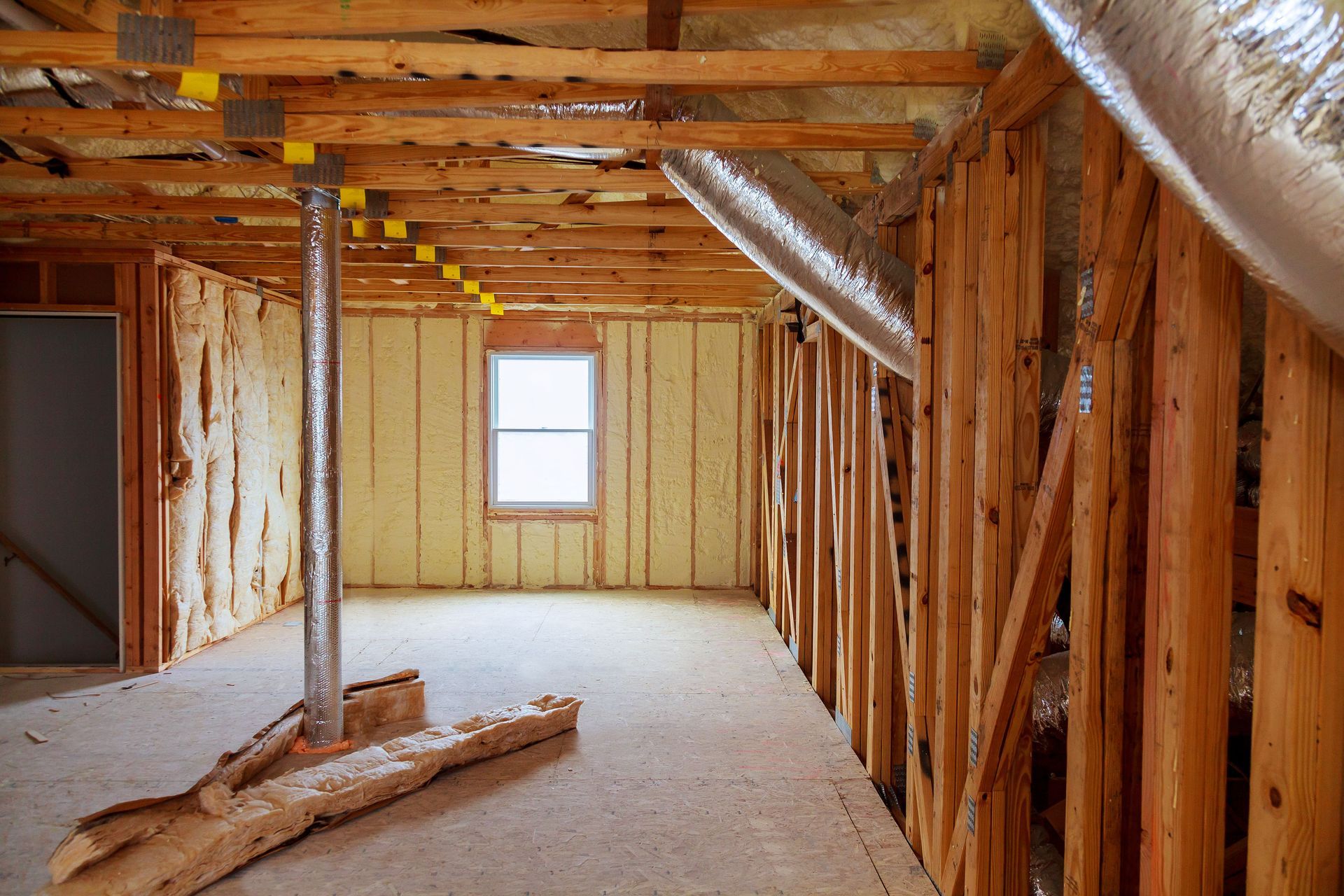
The installation of fiberglass insulation is a relatively straightforward process that involves measuring and cutting the material to fit the designated space. Installers need to ensure full coverage of the area without leaving gaps, as these could lead to heat loss and reduced efficiency. The batts or rolls are placed between studs, joists, or rafters, and any excess material is trimmed. Extreme care must be taken to avoid compressing the fiberglass, as this can diminish its thermal resistance. Personal protective equipment, such as gloves, goggles, and masks, is essential to protect against fiber irritation and ensure safe handling.
Best Use Cases
Fiberglass insulation excels in a variety of applications, particularly in residential and light commercial settings. It is commonly used in attics, walls, and floors where it can effectively reduce heat transfer and enhance energy efficiency. Renovation projects also benefit from fiberglass insulation due to its ease of use and adaptability to existing structures. When installed correctly, it provides soundproofing, making it ideal for home theaters, studios, or office spaces. Additionally, its fire-resistant properties make it a preferred option in areas requiring enhanced fire safety.
Foam Board Insulation
Composition and Characteristics
Foam board insulation is made of rigid panels composed of materials such as polystyrene, polyisocyanurate, or polyurethane. It is known for its high insulating value and structural strength, making it an effective barrier against heat loss and gain. The panels are available in various thicknesses and sizes, allowing for customization to fit specific needs. Foam board insulation also acts as a moisture barrier, preventing the infiltration of water vapor into buildings. Its dense composition makes it resistant to compression, maintaining its insulation properties over time.
Advantages
The primary advantage of foam board insulation is its excellent thermal performance, attributed to its high R-value per inch. This means that less material is required to achieve effective insulation, making it suitable for space-restricted areas. Its rigidity provides added structural support, which can contribute to the overall stability of a building. As a moisture barrier, it helps prevent mold growth and structural damage that can result from condensation. Additionally, foam board insulation is lightweight, facilitating ease of handling and installation.
Disadvantages
Despite its benefits, foam board insulation presents several challenges that need consideration. Its higher cost compared to traditional insulation materials like fiberglass can be a deterrent for budget-conscious builders. The installation process often requires precise cutting and fitting to avoid gaps that could compromise insulation efficiency. Unlike fiberglass, foam board is not as effective in soundproofing, which may be a consideration for projects where acoustics are important. It is also flammable and typically needs to be covered with a fire-resistant layer for safety compliance. Lastly, disposal of foam board can pose environmental challenges due to its synthetic composition.
Installation Process
Installing foam board insulation involves measuring and cutting the panels to fit snugly within the framing of a building. Care must be taken to achieve a tight fit to prevent thermal bridging and air leakage. The panels are typically attached to walls or roofs with adhesive or mechanical fasteners, depending on the application. Joints between panels are sealed with tape or caulk to ensure a continuous thermal barrier. During installation, it's essential to consider vapor barrier placement, particularly in climates prone to humidity, to prevent moisture issues.
Best Use Cases
Foam board insulation is particularly useful in applications where a high R-value is needed within a limited space. It is widely used on exterior walls and basements, where its moisture resistance provides additional protection against the elements. In roof installations, foam board can be applied above or below roof decks to enhance thermal performance and energy efficiency. It is also used under siding or plaster as continuous insulation to minimize thermal bridging. Additionally, foam board's structural properties make it a suitable choice for insulating foundation walls and slab edges.
Spray Foam Insulation
Composition and Characteristics
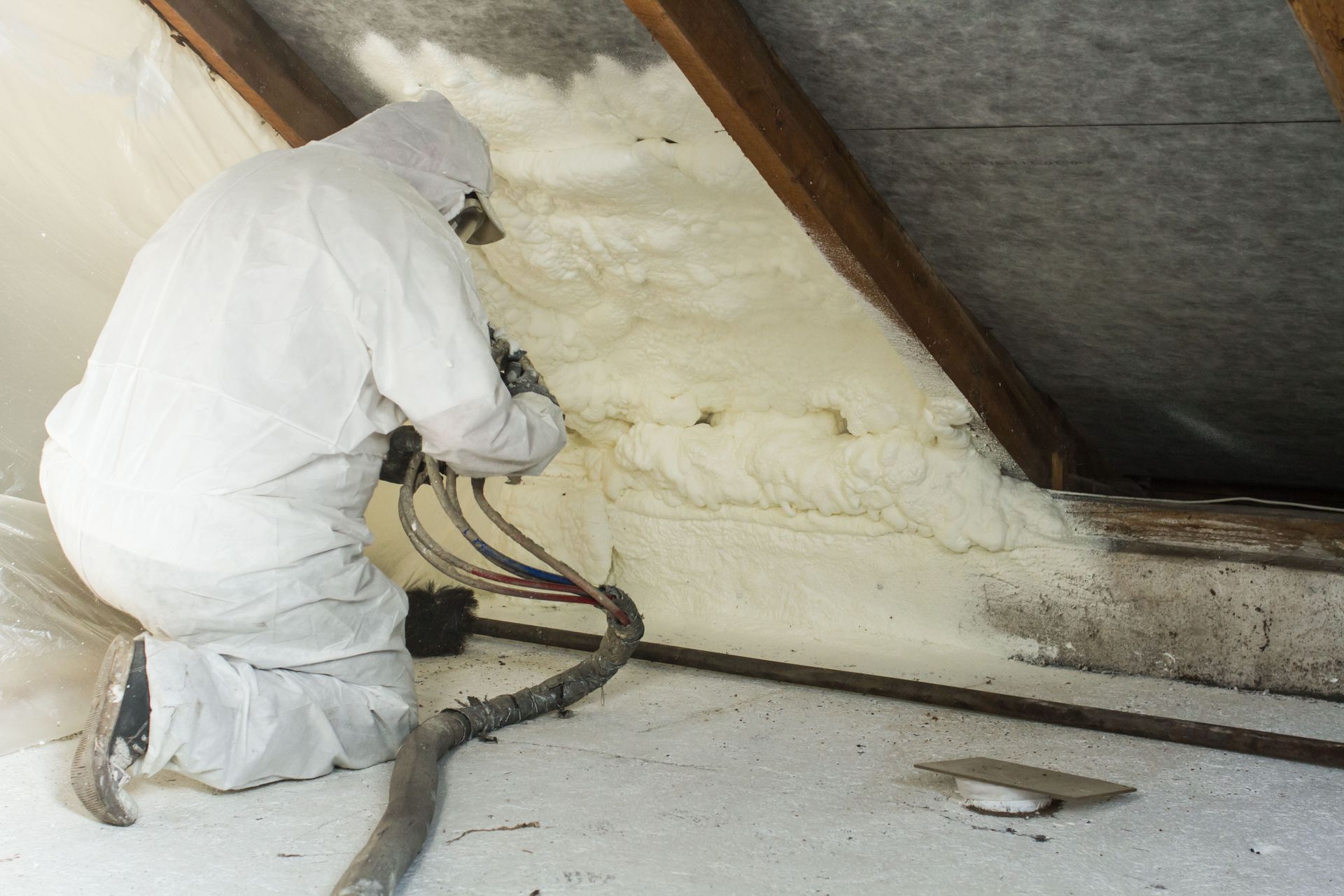
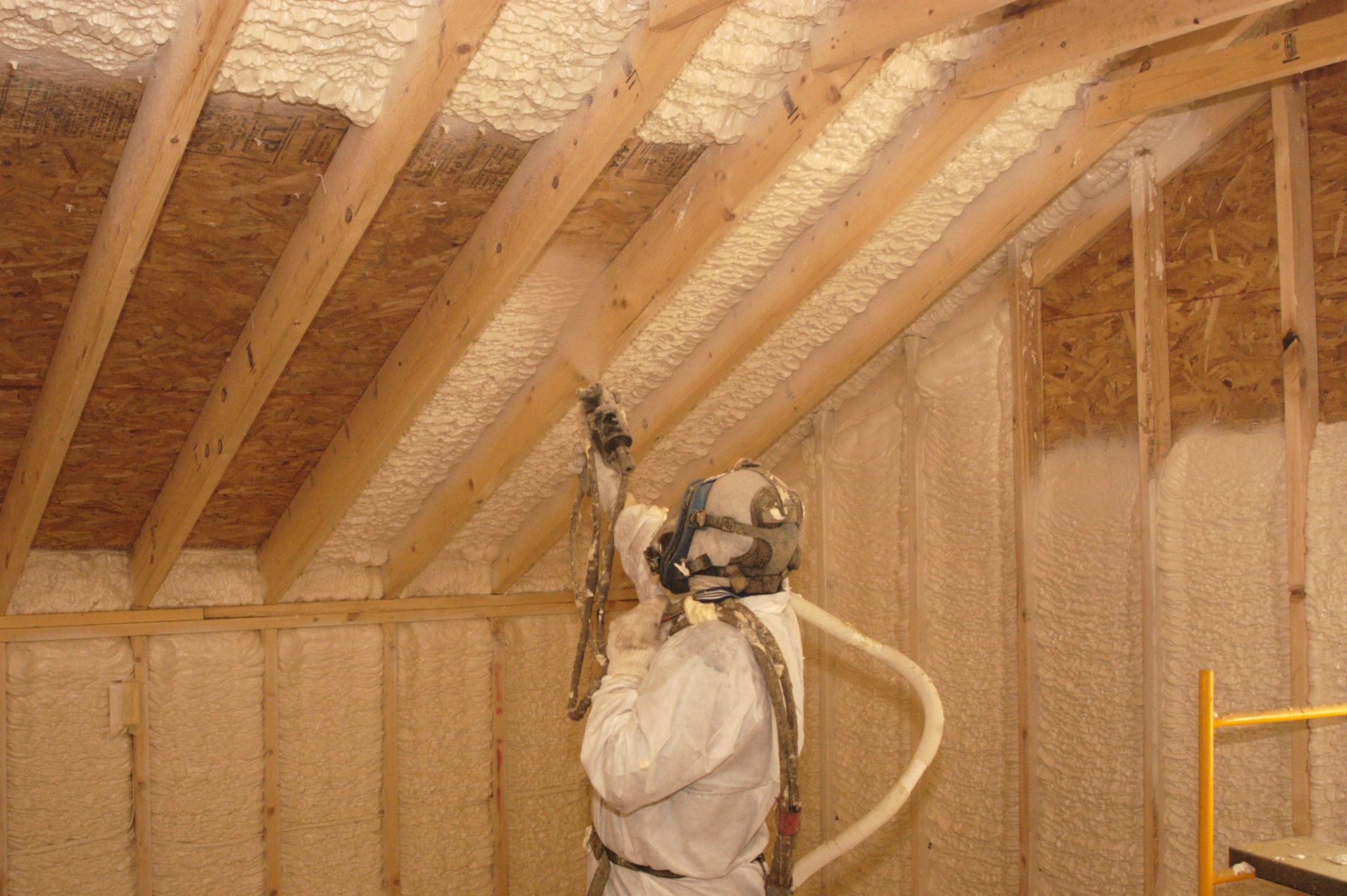
Spray foam insulation is composed of polyurethane or other foam materials that expand upon application to fill spaces and create an airtight seal. This characteristic gives spray foam a unique ability to reduce air infiltration, making it highly effective at improving energy efficiency. The foam can be categorized into two types: open-cell and closed-cell foam, each with specific properties and performance levels. Open-cell foam is lighter and more flexible, providing soundproofing in addition to thermal resistance. Closed-cell foam, on the other hand, is denser and offers a higher R-value, also serving as a vapor barrier to prevent moisture penetration.
Advantages
Spray foam insulation offers several noteworthy advantages, particularly its superior air-sealing properties, which help to maintain consistent indoor temperatures. Its high R-value per inch of material ensures excellent thermal performance, maximizing energy savings. Additionally, the foam's expansive nature allows it to fill and seal even the smallest cracks and gaps, enhancing both thermal and acoustic insulation. Due to its resistance to water and mold, spray foam is ideal for areas susceptible to moisture exposure. It also adds structural strength to walls and roofs, contributing to the durability of the building envelope. Be sure to reach out to North Central Insulation today for more information on our professional spray foam insulation!