January 4, 2026
Commercial spray foam insulation is a popular choice for businesses looking to improve energy efficiency and enhance structural integrity. Despite its widespread use, there are several intriguing aspects of commercial spray foam insulation that remain largely underappreciated or unnoticed. This article explores some fascinating facts about commercial spray foam insulation that may surprise even industry insiders. As businesses increasingly prioritize sustainability, understanding these benefits is key for maximizing both performance and cost-efficiency in commercial insulation projects.
1. Environmental Impact
The Role of Spray Foam in Reducing Carbon Footprint
Commercial spray foam insulation significantly contributes to reducing the carbon footprint of buildings. By enhancing energy efficiency, it reduces the overall energy consumption needed to heat or cool a structure. This decrease in energy demand results in fewer greenhouse gases being emitted into the atmosphere from power plants. Consequently, businesses that invest in commercial insulation are not only cutting operational costs but also contributing positively to environmental sustainability. Moreover, the superior sealing properties of spray foam help prevent HVAC systems from working overtime, further enhancing energy savings. These environmental advantages align with broader corporate sustainability goals and green building certifications.
Sustainable Manufacturing Processes
In recent years, the manufacturing processes for spray foam have seen significant advancements toward sustainability. Many manufacturers now utilize recycled materials and less harmful blowing agents during production. These innovations not only reduce the environmental footprint but also improve the material's overall efficacy and safety. By prioritizing eco-friendly practices, manufacturers can offer products that align with the increasing demand for sustainable building solutions. The shift toward greener production techniques represents a pivotal step in the industry’s evolution toward environmentally responsible commercial insulation.
2. Lifespan and Longevity of Spray Foam Insulation
Spray foam insulation boasts a remarkable lifespan, often outlasting traditional insulation materials such as fiberglass or cellulose. Its ability to maintain performance over time makes it an attractive choice for commercial properties. Spray foam's durability also translates into fewer replacements and repairs, contributing to long-term cost savings. Its effectiveness in maintaining thermal resistance and air barrier integrity provides buildings with consistent energy efficiency. Consequently, the long-term benefits of spray foam insulation can substantially outweigh the initial investment costs, making it a prudent choice for commercial insulation projects.
3. Comparative Analysis with Other Insulation Materials
When comparing spray foam insulation to other materials, its superior thermal performance becomes evident. The R-value of 2 inches of spray foam ranges from 7 to 13, depending on the type of material, which is higher compared to traditional fiberglass insulation. This higher R-value results in better insulation properties, contributing to enhanced energy efficiency and comfort levels within commercial buildings. Additionally, spray foam acts as an air sealant, preventing air leakage and further improving efficiency. Its dual functionality as both an insulation and air barrier offers unparalleled performance advantages over other materials, solidifying its position as a top-tier choice for commercial insulation applications.
4. Technological Advancements
Smart Foam Technologies
The integration of smart technologies within spray foam insulation marks a new frontier for the industry. By incorporating sensors into the foam, building owners can monitor insulation performance in real-time. This capability allows for the early detection of issues such as air leaks or moisture intrusion. Consequently, building maintenance becomes more proactive, addressing potential problems before they escalate. Smart foam technologies represent a convergence of insulation and IoT, offering enhanced control over building energy efficiency.
Integration with Smart Building Systems
The seamless integration of spray foam insulation with smart building systems is enhancing building management practices. Modern building management systems can utilize data from smart foams to optimize HVAC operations. For instance, automatically adjusting heating and cooling systems based on real-time insulation performance data leads to energy savings. Comprehensive monitoring of insulation conditions helps prolong the longevity of both the foam and the building's HVAC equipment. The ability to coordinate spray foam insulation with smart systems signifies a cutting-edge approach to achieving energy efficiency in commercial insulation.
5. Fire Resistance and Safety Features
Fire resistance is a critical safety consideration for any insulation material, and recent developments have enhanced the safety features of spray foam. New formulations contain fire-retardant materials that help the foam resist ignition and slow flame spread. These features ensure that buildings equipped with spray foam insulation meet stringent fire safety standards and protect occupants in emergencies. Furthermore, ongoing research focuses on improving these characteristics without sacrificing insulation performance. As safety regulations evolve, spray foam continues to adapt to provide secure and effective commercial insulation solutions.
6. Economic Benefits
Cost Efficiency Compared to Traditional Insulation
Economically, spray foam insulation offers considerable advantages over traditional insulation materials. Despite a higher initial cost, spray foam's durability and performance often lead to lower long-term expenses. Its excellent thermal properties reduce energy consumption, saving money on heating and cooling expenses. Additionally, its longevity reduces the need for frequent replacements or repairs, again lowering overall lifecycle costs. Over time, the cost efficiency of spray foam makes it a financially sound investment for commercial insulation projects.
Energy Savings and Return on Investment
The energy savings achieved with spray foam insulation translate directly into significant financial returns. By insulating more effectively, businesses experience reduced heating and cooling bills, providing a quick return on investment. The potential savings can help offset the initial installation costs within just a few years. Moreover, the improved energy efficiency contributes to increased property value, appealing to potential buyers or investors. The dual economic benefits of reduced energy costs and enhanced property valuation underscore the desirability of spray foam insulation.
7. Health and Safety Considerations
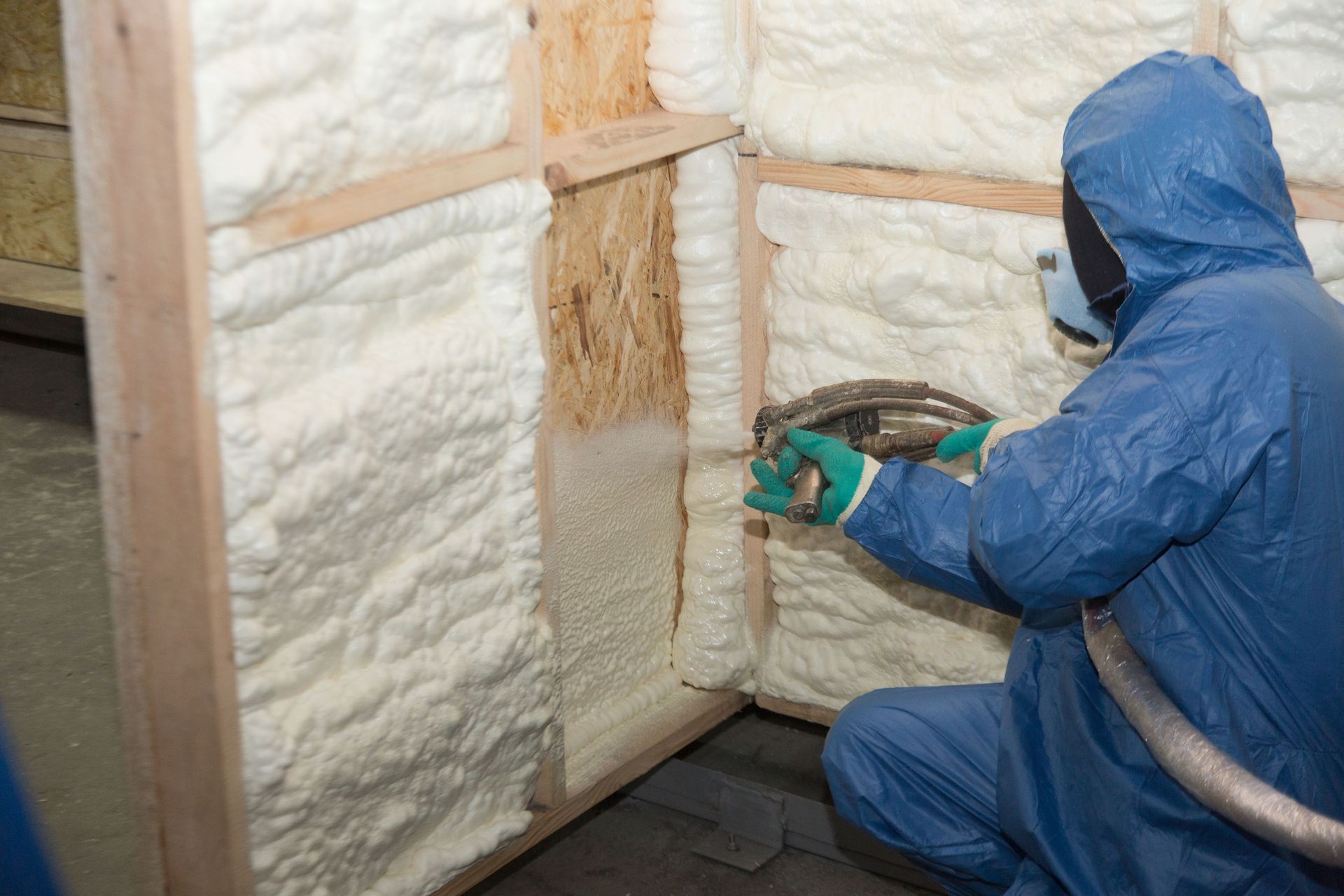
Spray foam insulation can have a positive impact on indoor air quality by creating a seamless air barrier. By preventing air leaks, it reduces the ingress of outdoor pollutants and allergens into the indoor environment. Proper installation and curing prevent off-gassing, ensuring a healthier indoor atmosphere. Manufacturers have developed low-VOC formulations to cater to sensitive populations, further supporting safe commercial insulation practices. Safety protocols for installers, including PPE and technical training, protect workers and enhance installation quality.
8. Installation Challenges and Solutions
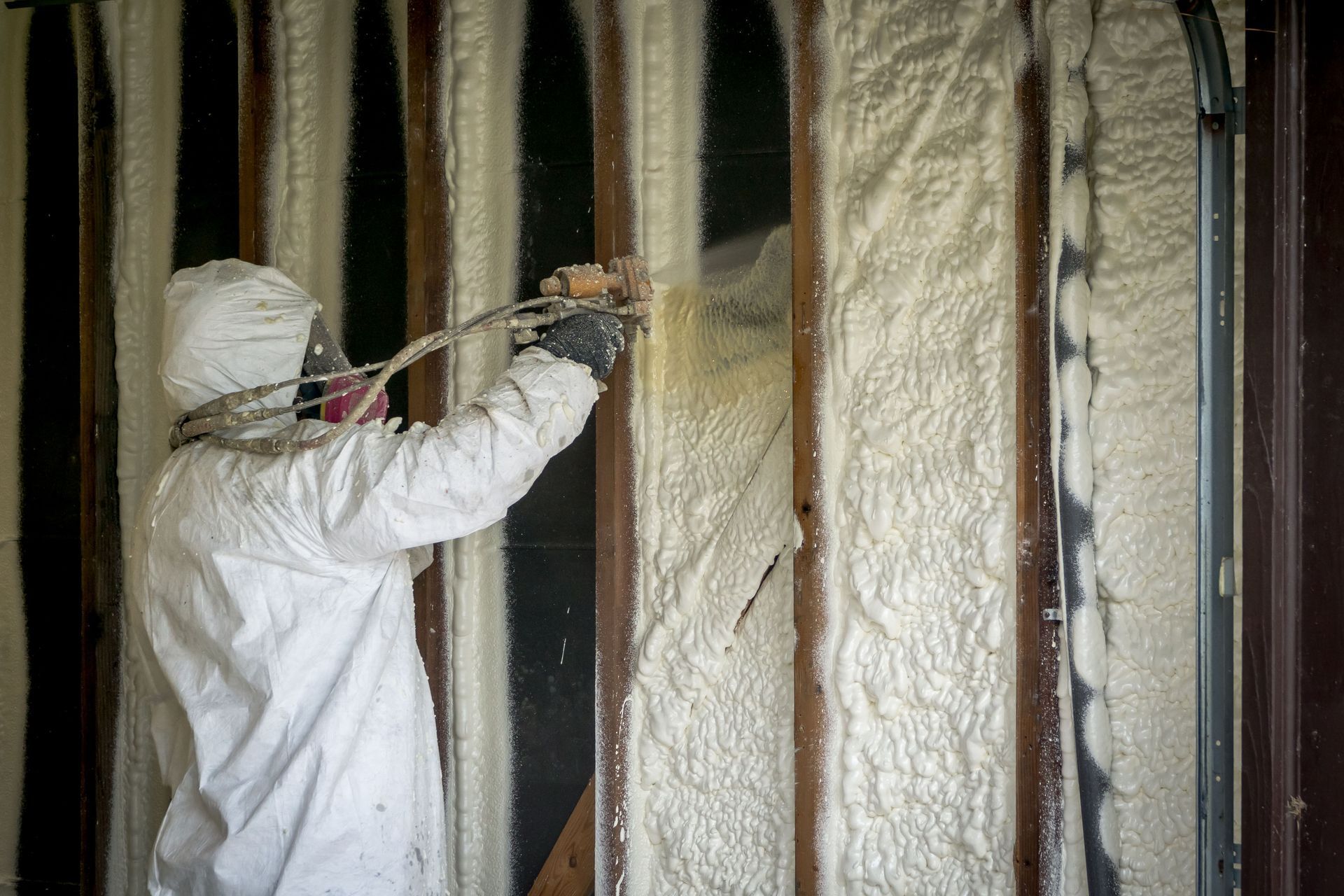
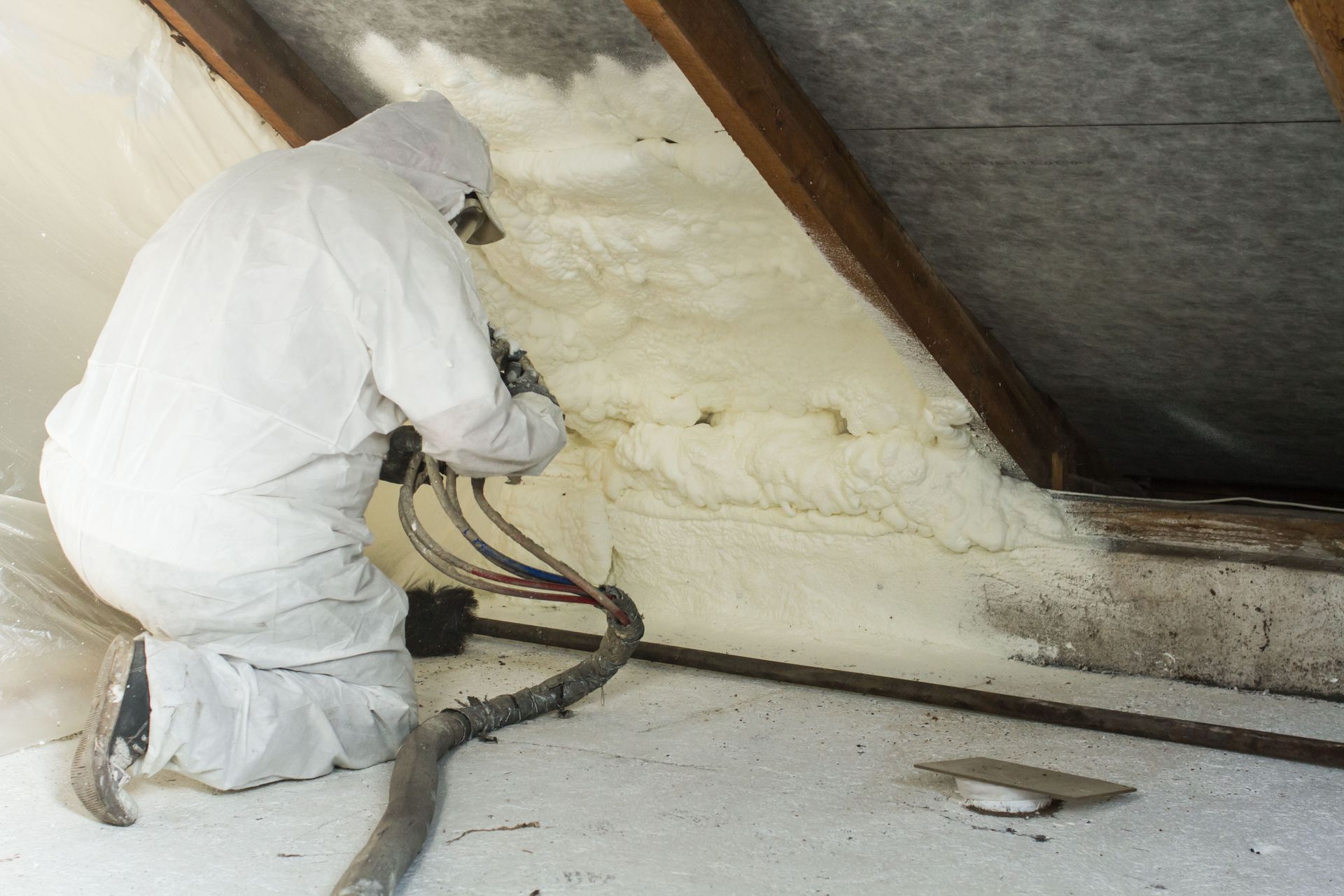
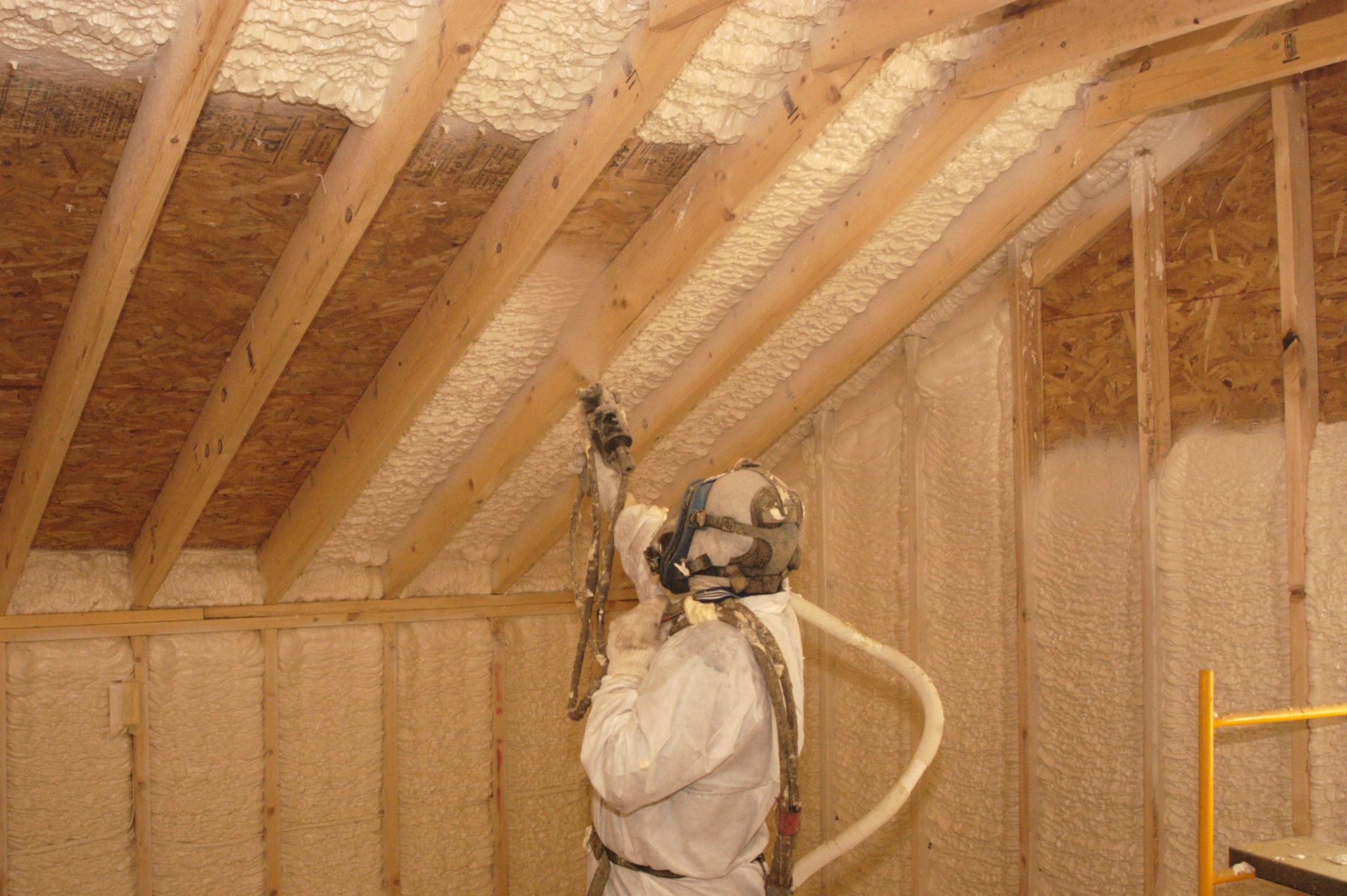
Proper site preparation is crucial for successful spray foam insulation application. Surfaces must be clean, dry, and free of debris to ensure adhesion. Weather, temperature, and humidity conditions affect curing and foam performance, making scheduling critical. Applicators must be trained to avoid errors such as uneven coverage or improper mixing. Spray foam’s ability to expand and seal hard-to-insulate areas provides customized solutions for challenging spaces, making it an adaptable choice for commercial insulation projects.
9. Case Studies and Real-World Applications
Spray foam insulation has proven effective in retrofitting historical buildings, enhancing energy efficiency without major structural alterations. It has also been used in unconventional structures like boats, shipping containers, and off-grid homes, demonstrating versatility. Performance in extreme climates confirms its durability, resistance to moisture intrusion, and air barrier effectiveness. Feedback from commercial builders emphasizes energy savings, installation ease, and adaptability, which continue to guide industry innovations. Large-scale projects reinforce the importance of precise planning, coordination, and quality assurance in achieving optimal results with commercial insulation.
Commercial spray foam insulation offers a myriad of benefits beyond thermal efficiency, including sustainability, cost savings, and enhanced building performance. Continued technological advancements, economic incentives, and evolving applications make spray foam a pivotal material in modern construction. According to HomeAdvisor, commercial insulation projects using spray foam significantly reduce energy costs over time, emphasizing long-term value. For businesses looking to maximize performance and sustainability, contact North Central Insulation to ensure expert installation and reliable results in commercial insulation.