January 14, 2026
In the world of modern roofing solutions, spray foam roofing is steadily gaining traction among homeowners and businesses. This innovative technique not only protects buildings but also offers a range of additional benefits that make it a worthwhile investment. As energy efficiency and sustainability become bigger priorities, the advantages of spray foam over traditional materials become even more apparent. Spray foam roofing has earned a reputation for its ability to significantly reduce energy costs and extend the lifespan of roofs. Additionally, it boasts remarkable versatility, allowing it to be adapted for both residential and commercial applications. With its unique properties, this roofing approach can address various challenges associated with conventional roofing materials.
Understanding Spray Foam Roofing Systems
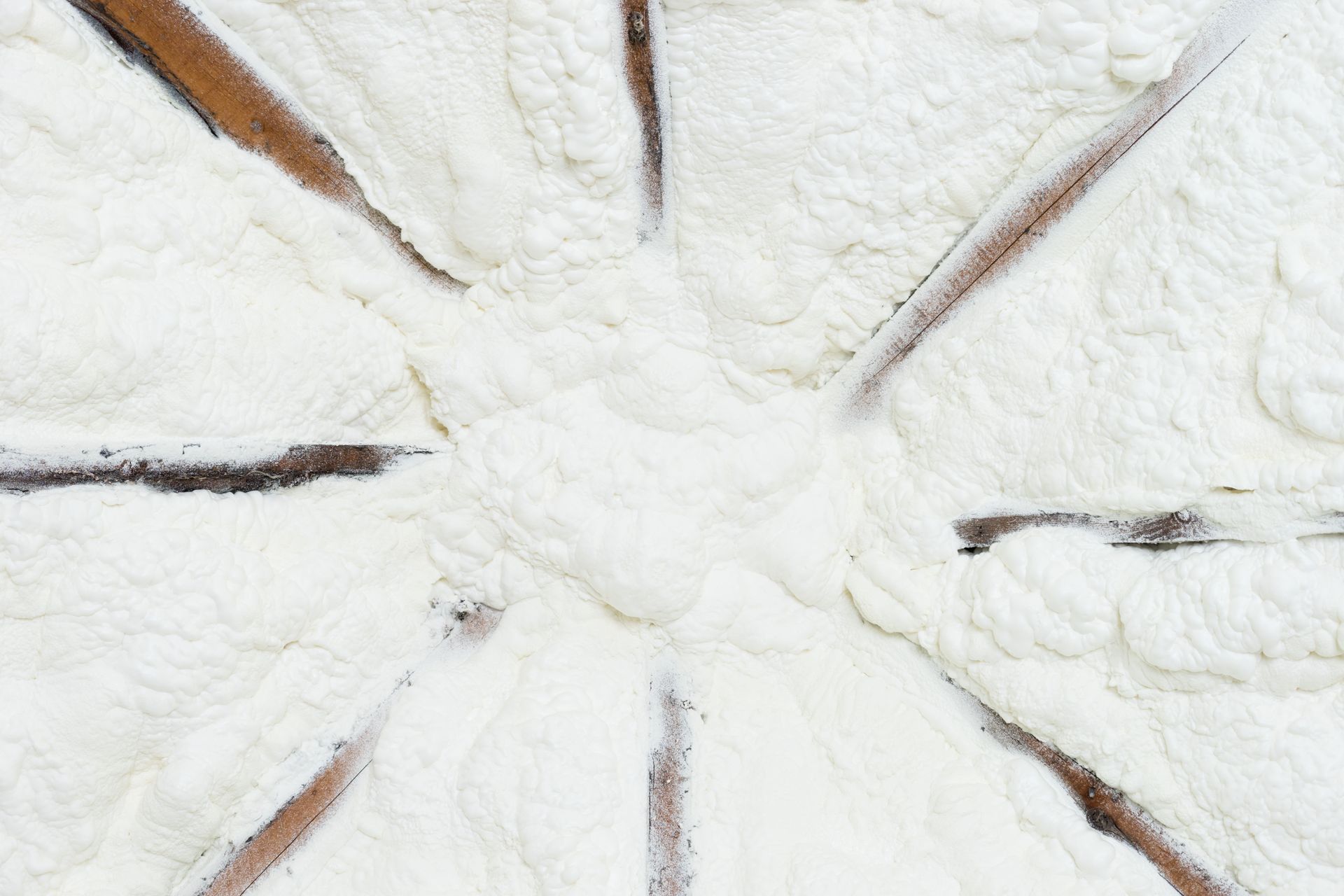
This method involves applying liquid components that expand into a solid, seamless layer once sprayed onto a roof surface. The resulting membrane adheres directly to the substrate, creating a continuous barrier that offers both insulation and waterproofing. This seamless quality significantly reduces the risk of leaks compared to roofs constructed with overlapping materials. Because the material is sprayed in liquid form, it conforms easily to irregular shapes, slopes, and penetrations. This adaptability allows a spray foam roofer to create a custom fit for nearly any roof design. The result is a roofing system that performs consistently across the entire surface without weak points or gaps. Another defining feature of this system is its dual functionality. It serves as both an insulating layer and a protective roofing membrane, eliminating the need for multiple materials. This efficiency streamlines installation and enhances overall roof performance.
Development and Use in Construction
The use of spray foam in construction dates back several decades, originally gaining attention for its insulating capabilities. Over time, builders and engineers recognized its potential as a roofing material due to its durability and resistance to moisture infiltration. As application techniques improved, spray foam roofing became a viable option for larger commercial structures and eventually residential properties. Technological advancements have refined foam formulations to improve strength, flexibility, and environmental performance. These improvements have expanded its acceptance across diverse climates and building types. Today, this roofing solution is commonly used in both new construction and retrofit projects. The steady growth in adoption reflects increasing awareness of energy efficiency and lifecycle cost savings. Property owners seeking modern, high-performance roofing solutions continue to view spray foam as a reliable and forward-looking option.
Material Composition and Performance Characteristics
This foam-based system is created by combining two chemical components that react and expand when mixed. This reaction forms a rigid, closed-cell foam that adheres tightly to the roof surface. Once cured, the foam provides a dense layer that resists water penetration and heat transfer. The closed-cell structure is a key contributor to its insulating performance. It traps air within the foam, reducing thermal bridging and helping maintain stable indoor temperatures. This consistency plays a critical role in improving comfort and reducing energy consumption. Despite its strength, the material remains lightweight, which makes it suitable for existing structures that cannot support heavy roofing systems. Its balance of durability and low weight adds to its appeal for retrofit applications.
Installation Process and Professional Expertise
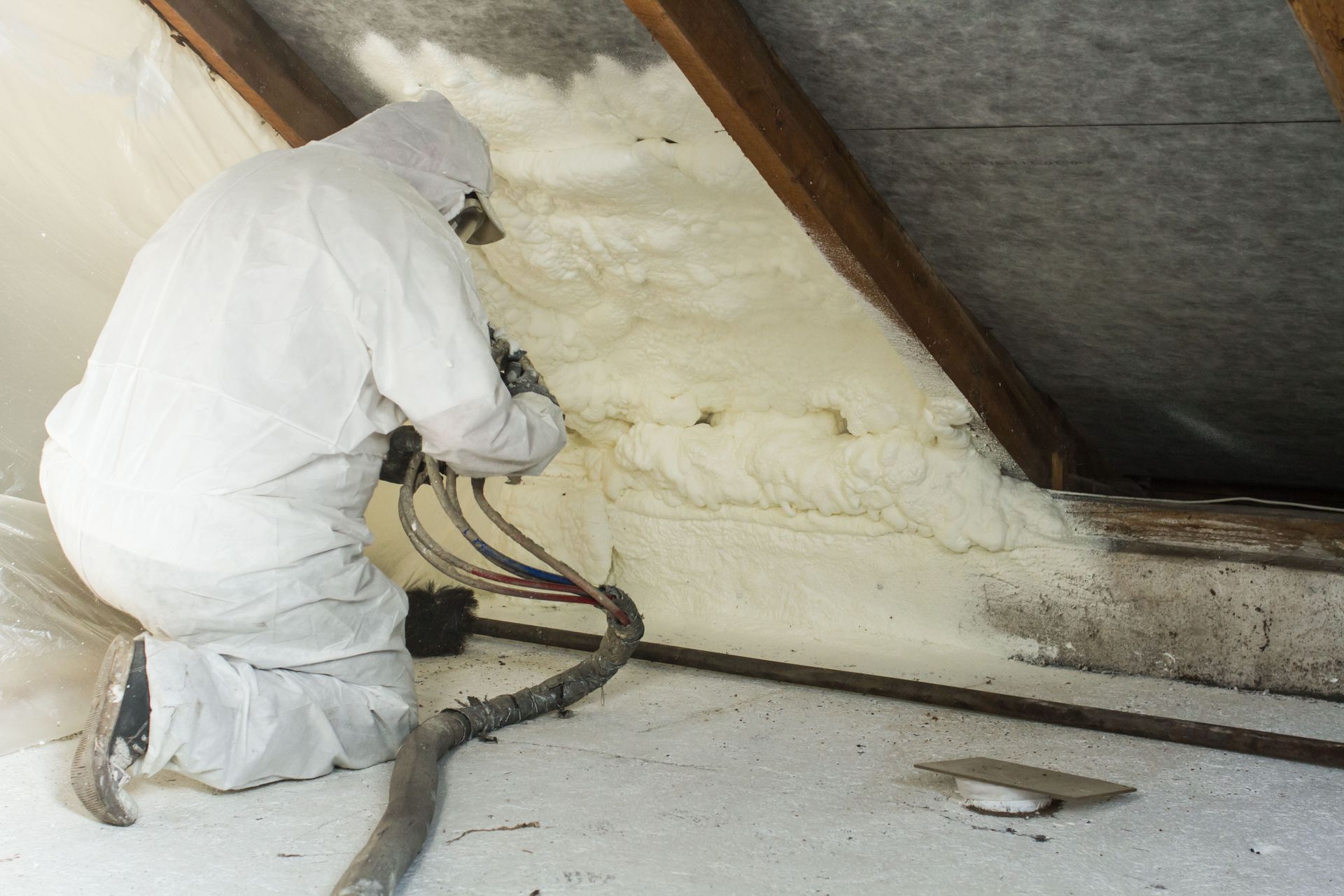
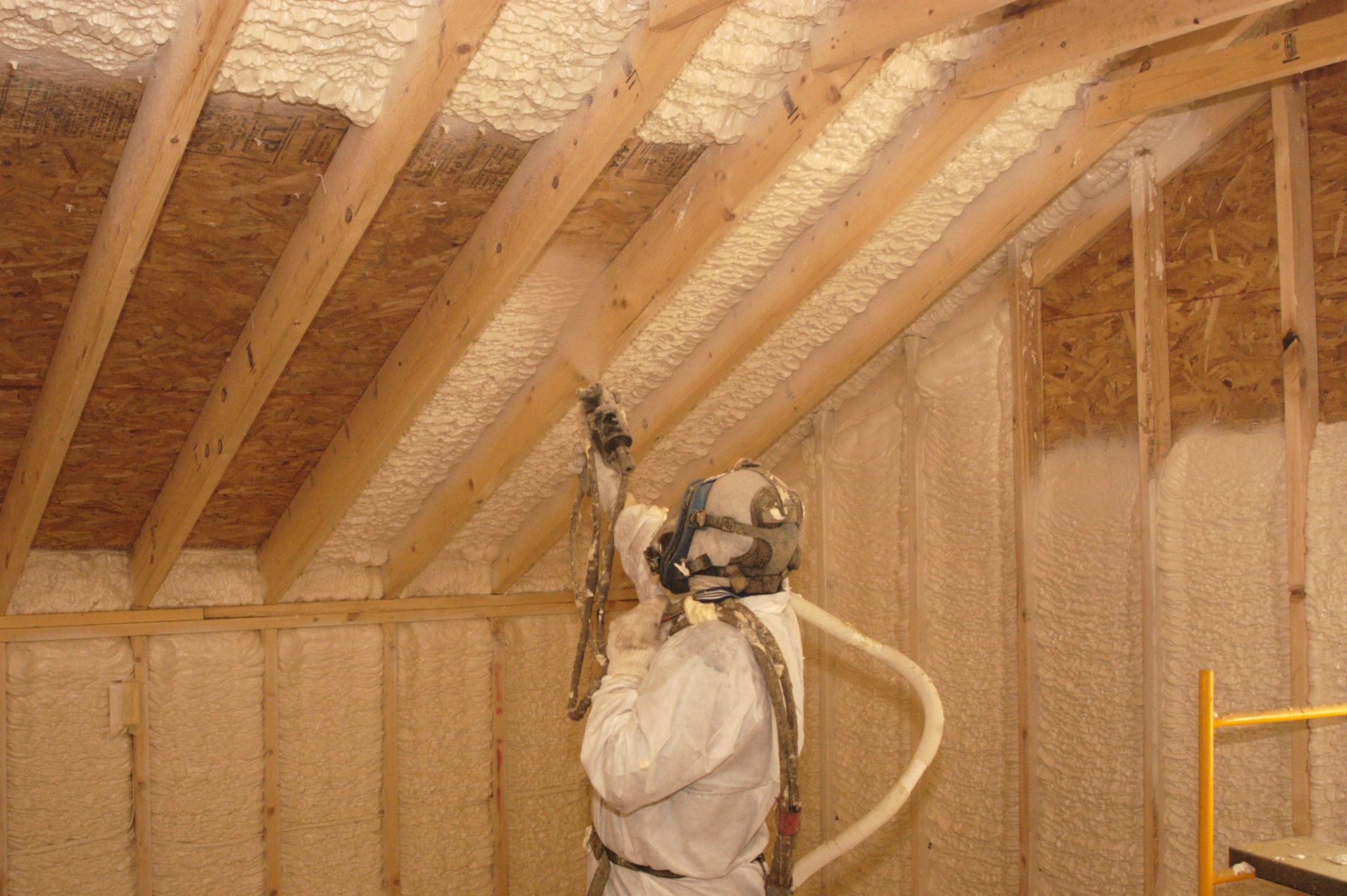
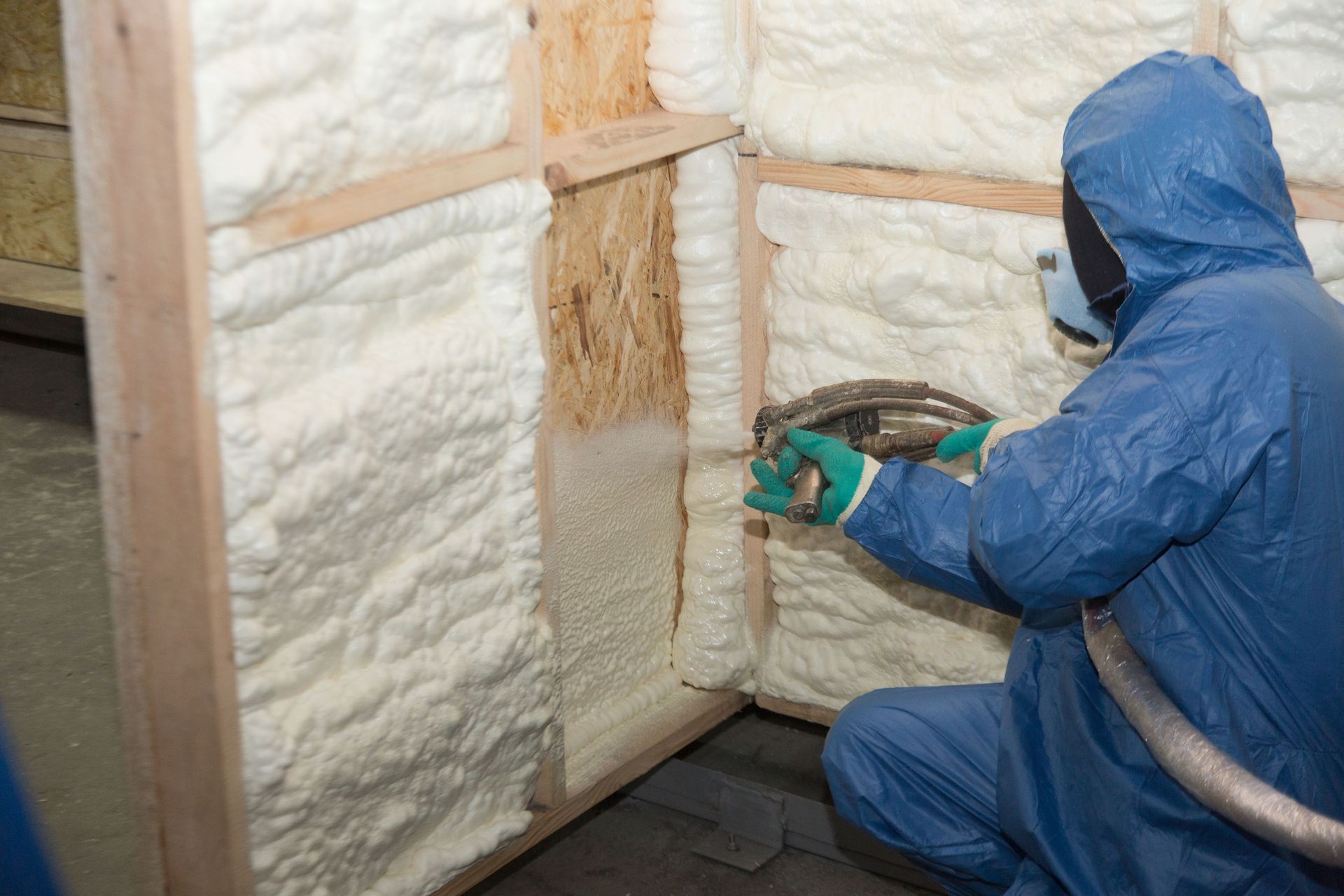
Installation begins with thorough surface preparation, including cleaning and addressing any existing damage. Once prepared, specialized equipment is used to apply the foam evenly across the roof. The material expands almost immediately, filling cracks and forming a uniform layer. Because environmental conditions can affect application quality, temperature and humidity must be carefully monitored. A qualified spray foam roofer understands how to adjust techniques to ensure consistent coverage and proper curing. This expertise is essential for achieving optimal performance and longevity. After the foam is applied, a protective coating is typically added to shield the surface from ultraviolet exposure and weathering. This final step enhances durability and helps maintain the roof’s appearance and effectiveness over time.
Comparison With Traditional Roofing Materials
Compared to traditional roofing systems such as asphalt shingles or metal panels, this seamless system offers several distinct advantages. Its continuous nature minimizes the risk of water intrusion, a common issue with roofs that rely on joints and fasteners. This barrier provides reliable protection in various weather conditions. Traditional materials often require periodic replacement or extensive repairs due to wear and tear. Spray foam roofing, when properly maintained, can last decades with minimal intervention. These longevity benefits make it an attractive alternative for property owners focused on long-term value. Additionally, its insulating capabilities surpass many conventional options, contributing to improved energy efficiency. This performance difference often becomes evident through lower heating and cooling demands.
Cost-Effectiveness and Long-Term Value
While spray foam roofing can involve a higher upfront investment, its long-term financial benefits are significant. According to Modernize, the cost to install a spray foam roof typically ranges from $7,500 to $36,000, depending on the project's size and complexity. Reduced maintenance requirements and extended service life help offset initial costs over time. Property owners often find that fewer repairs and replacements translate into measurable savings. Energy efficiency also plays a major role in cost-effectiveness. By reducing heat transfer through the roof, this system lowers utility expenses throughout the year. These savings accumulate steadily, improving return on investment. In many cases, working with an experienced spray foam roofer ensures that installation quality supports maximum performance. Proper application directly influences both durability and financial outcomes.
Energy Efficiency and Thermal Performance
One of the most notable benefits of spray foam roofing is its high insulation value. The material’s ability to resist heat flow helps stabilize indoor temperatures regardless of seasonal changes. This consistency reduces reliance on heating and cooling systems. Lower HVAC demand not only cuts energy costs but also extends the lifespan of mechanical equipment. Reduced strain on these systems can result in fewer repairs and replacements over time. This efficiency supports both financial and environmental goals. For buildings with large roof areas, the cumulative impact of improved insulation can be substantial. These efficiency gains are a primary reason many property owners consider this solution for upgrades.
Durability and Environmental Resistance
This roofing system is designed to withstand a wide range of environmental conditions. Its resistance to wind uplift, moisture, and temperature fluctuations makes it particularly suitable for regions with challenging climates. The material’s flexibility allows it to expand and contract without cracking. The seamless surface also reduces opportunities for pests, mold, and mildew to develop. By limiting moisture intrusion, the foam contributes to healthier indoor environments and protects structural components. Protective coatings applied over the surface further enhance resistance to ultraviolet exposure and weathering. Regular inspections and maintenance help preserve these protective layers and extend overall roof life.
Property Value and Sustainability Benefits
Installing spray foam can positively influence property value by improving energy efficiency and reducing future maintenance concerns. Buyers often view these features as indicators of quality and long-term savings. As sustainability becomes a priority, energy-efficient roofing systems gain additional appeal. Spray foam supports environmental responsibility by reducing energy consumption and associated emissions. Its long lifespan also minimizes waste compared to roofing systems that require frequent replacement. These sustainability advantages align with modern building standards.
Choosing a knowledgeable spray foam roofer helps ensure these benefits are fully realized. Proper design, application, and maintenance all contribute to lasting performance and increased property appeal. Working with a trusted provider also helps property owners understand maintenance schedules and coating options that protect long-term performance. This guidance supports informed decisions that maximize efficiency, durability, and overall return on investment. Contact our team at North Central Insulation today to get connected with our spray foam services.