Fire resistance is a critical consideration in modern building design, especially in commercial and industrial environments where safety, efficiency, and long-term durability all need to work together. Insulation plays a central role in helping slow heat transfer, limit flame spread, and improve the overall resilience of a structure during fire events. Commercial insulation contractors often help guide the selection and installation of systems that support these performance goals across different building types.
The Role of Spray Foam Insulation Systems
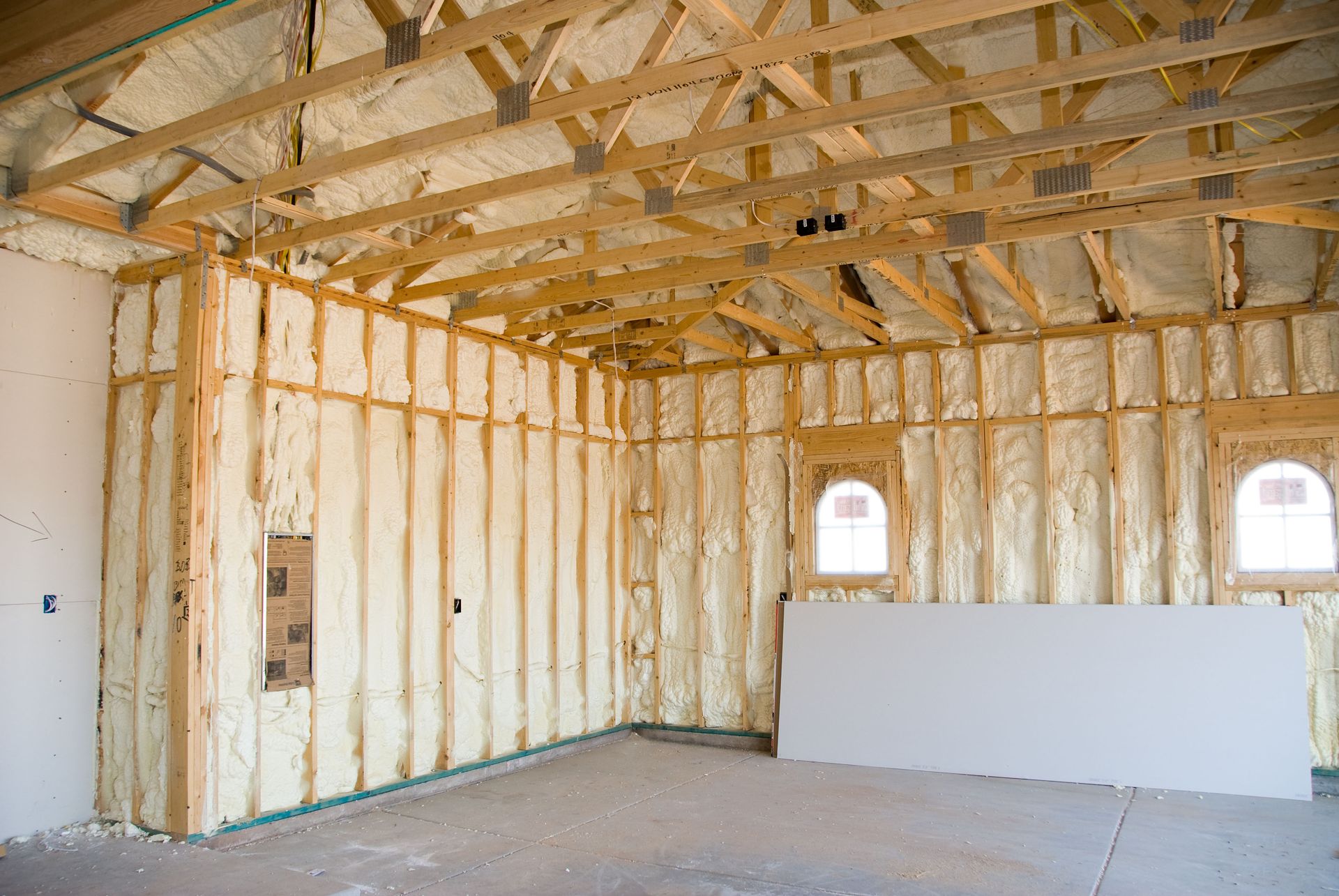
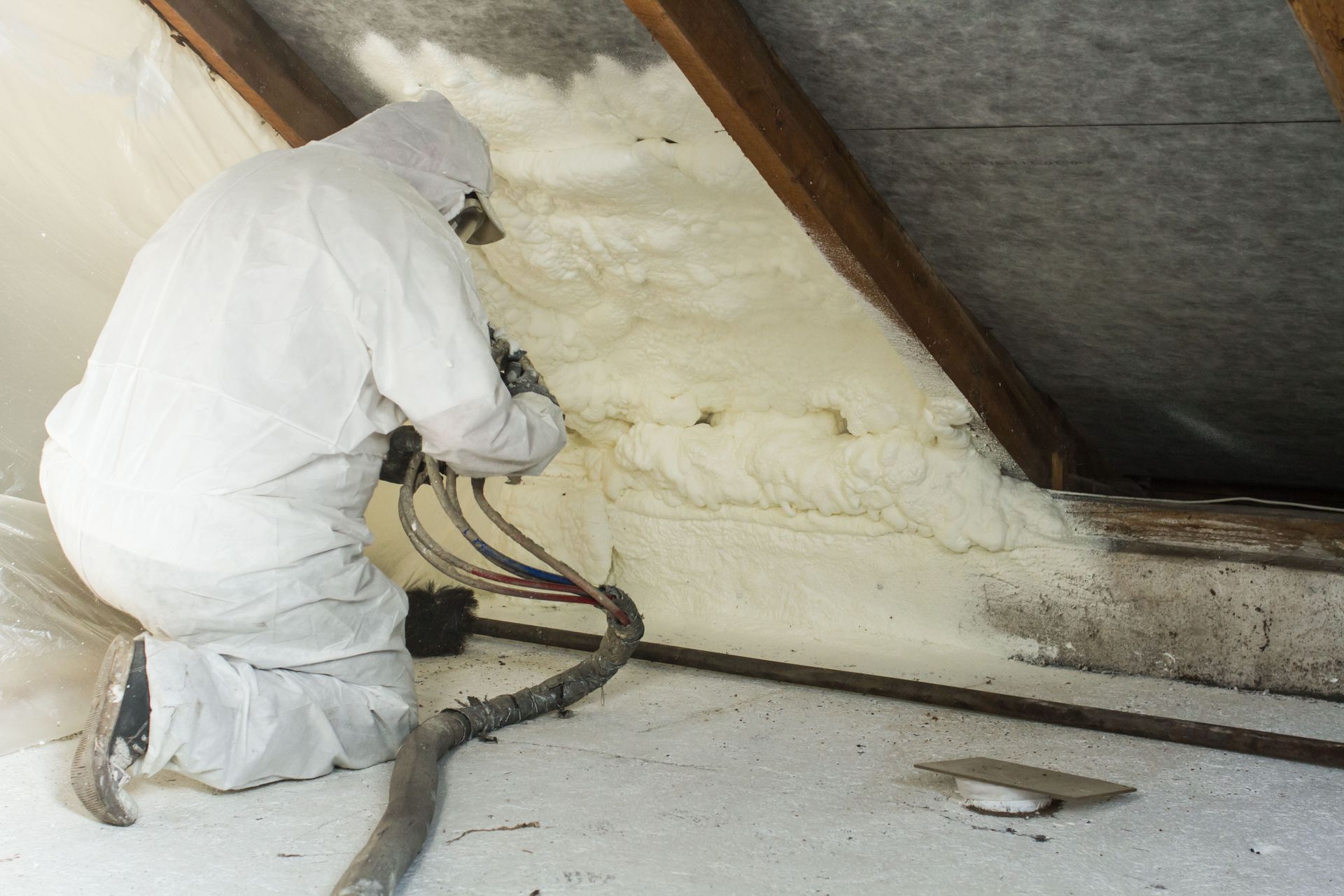
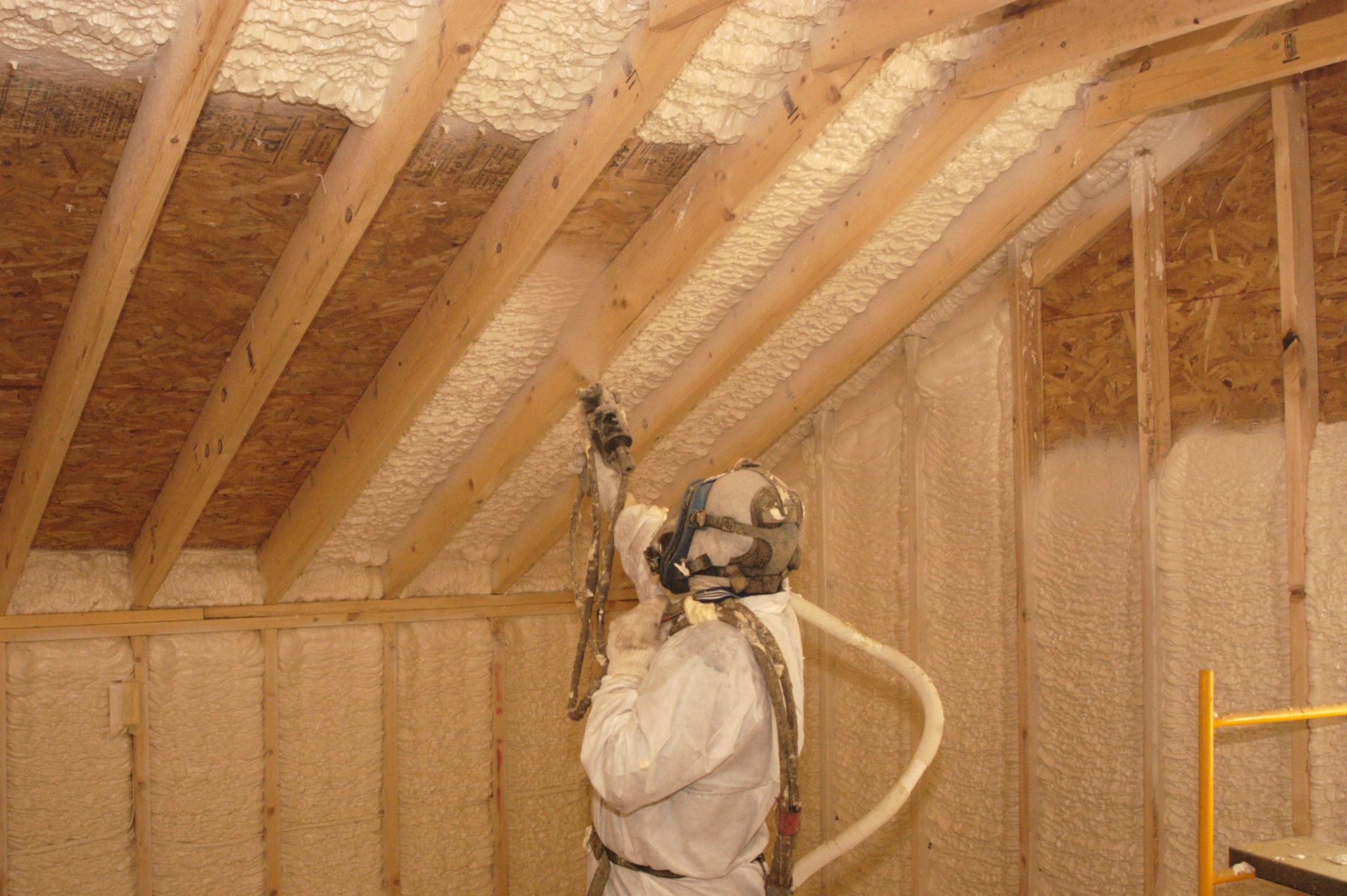
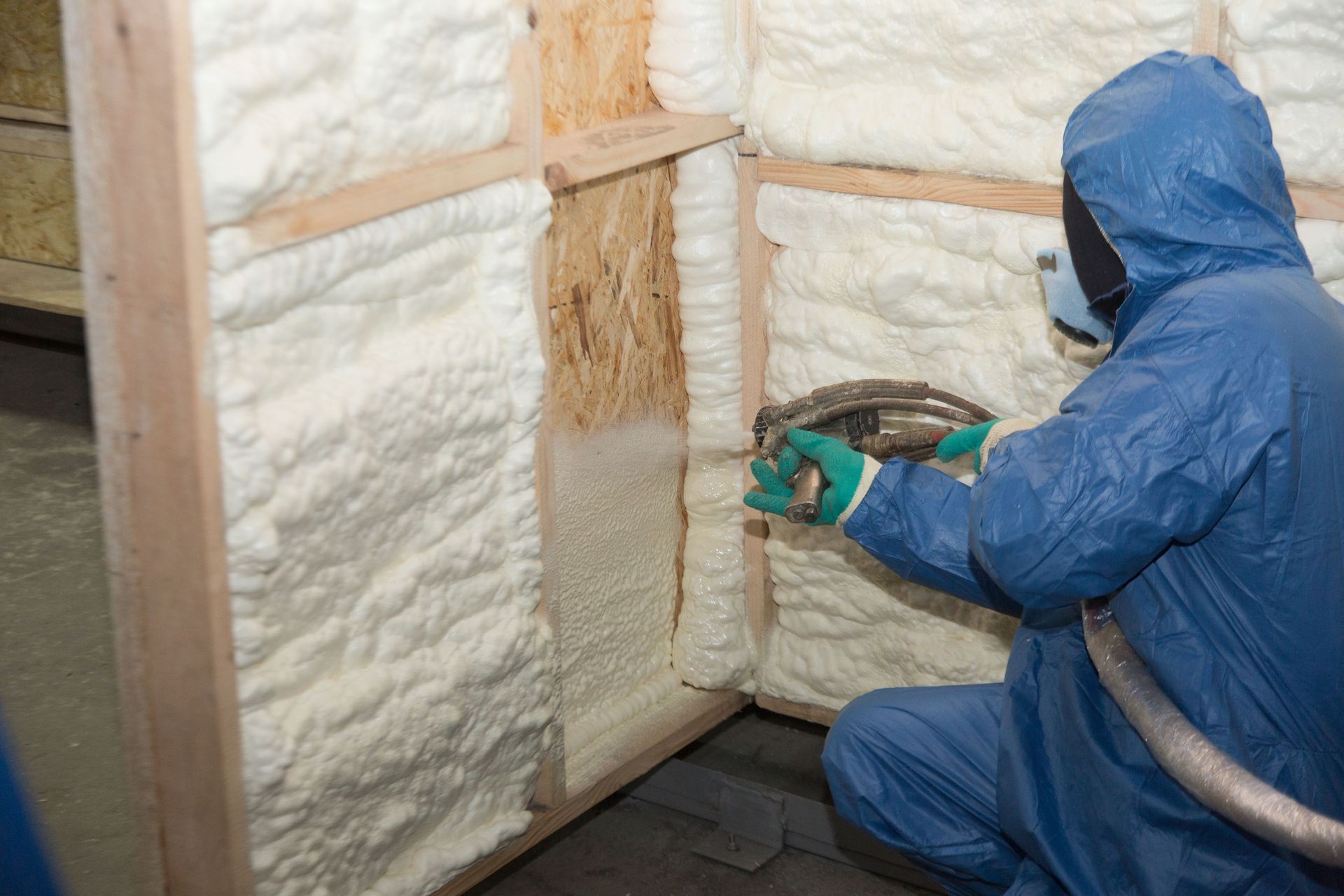
Spray foam insulation is widely used in commercial and residential applications due to its sealing capabilities and thermal performance. When installed as part of a fire-conscious design approach, it contributes to slowing heat transfer and improving overall building safety. Commercial insulation contractors often install these systems in wall assemblies and other building components where continuity is important.
Because spray foam expands to fill cracks and gaps, it strengthens the building envelope and reduces air movement within wall assemblies. This reduction in airflow can help limit how quickly fire-related heat spreads through concealed spaces. Commercial insulation contractors may incorporate spray foam as part of a broader insulation strategy, depending on project requirements.
The Function of Air and Moisture Barrier Systems
Air and moisture barriers are another important component of fire-conscious construction. These systems are designed to control airflow and prevent moisture intrusion within wall and roof assemblies. Commercial insulation contractors often integrate these systems alongside insulation to support a more complete building envelope approach.
By limiting uncontrolled air movement, these barriers help stabilize interior conditions and reduce pathways that could contribute to the spread of heat and smoke within a structure. Commercial insulation contractors may also coordinate these systems with other installed materials to improve overall performance consistency across the building.
The Application of Spray Foam Roofing Systems
Beyond wall insulation, spray foam is also used in roofing applications to create seamless protective surfaces. Spray foam roofing systems provide a continuous layer that helps reduce heat transfer while also improving resistance to water intrusion. Commercial insulation contractors frequently apply these systems in commercial roofing environments where durability and efficiency are priorities.
According to Precedence Research, thermal insulation dominated the insulation market with a share of 64.64% in 2024. So, for property owners and builders looking to enhance fire resistance while also improving energy efficiency and long-term durability, working with experienced professionals in these systems is essential.
Commercial insulation contractors play an important role in planning and executing insulation and roofing strategies that align with project needs. North Central Insulation specializes in these integrated insulation and roofing solutions, helping support safer and more efficient buildings across a wide range of applications in the U.S.