November 4, 2026
The evolution of roofing materials has significantly transformed the way we protect our properties, with spray foam roofing emerging as a top contender in modern construction. Offering superior insulation and energy efficiency, spray foam roofing presents a multifaceted solution for both residential and commercial properties. In this article, we will delve into the myriad benefits of hiring a professional spray foam roofer, exploring how their expertise can lead to long-term savings and enhanced property protection.
Understanding Spray Foam Roofing
Definition and Composition
Spray foam roofing is composed of polyurethane foam, a material known for its expansive properties and excellent insulation capabilities. When applied, the foam expands to form a continuous barrier over the roof surface, sealing gaps and providing a uniform protective layer. This combination of chemicals results in a durable membrane that is both lightweight and robust, tailored to meet the diverse needs of various building structures. Spray foam's adaptability in its application makes it a versatile choice, easily conforming to the contours of any roof. Its composition not only adds to its resilience but also supports its environmental benefits.
How Spray Foam Roofing Works
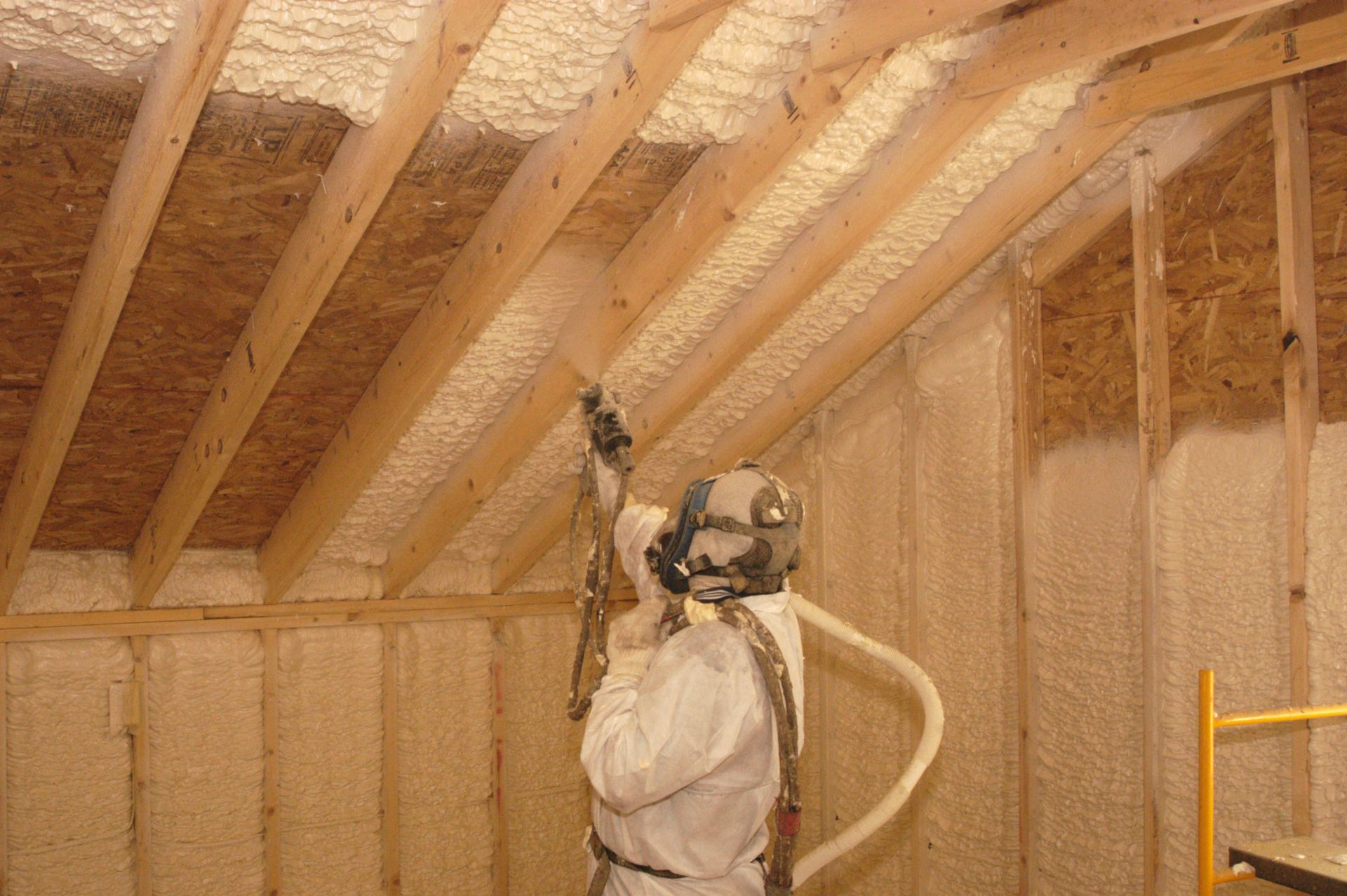
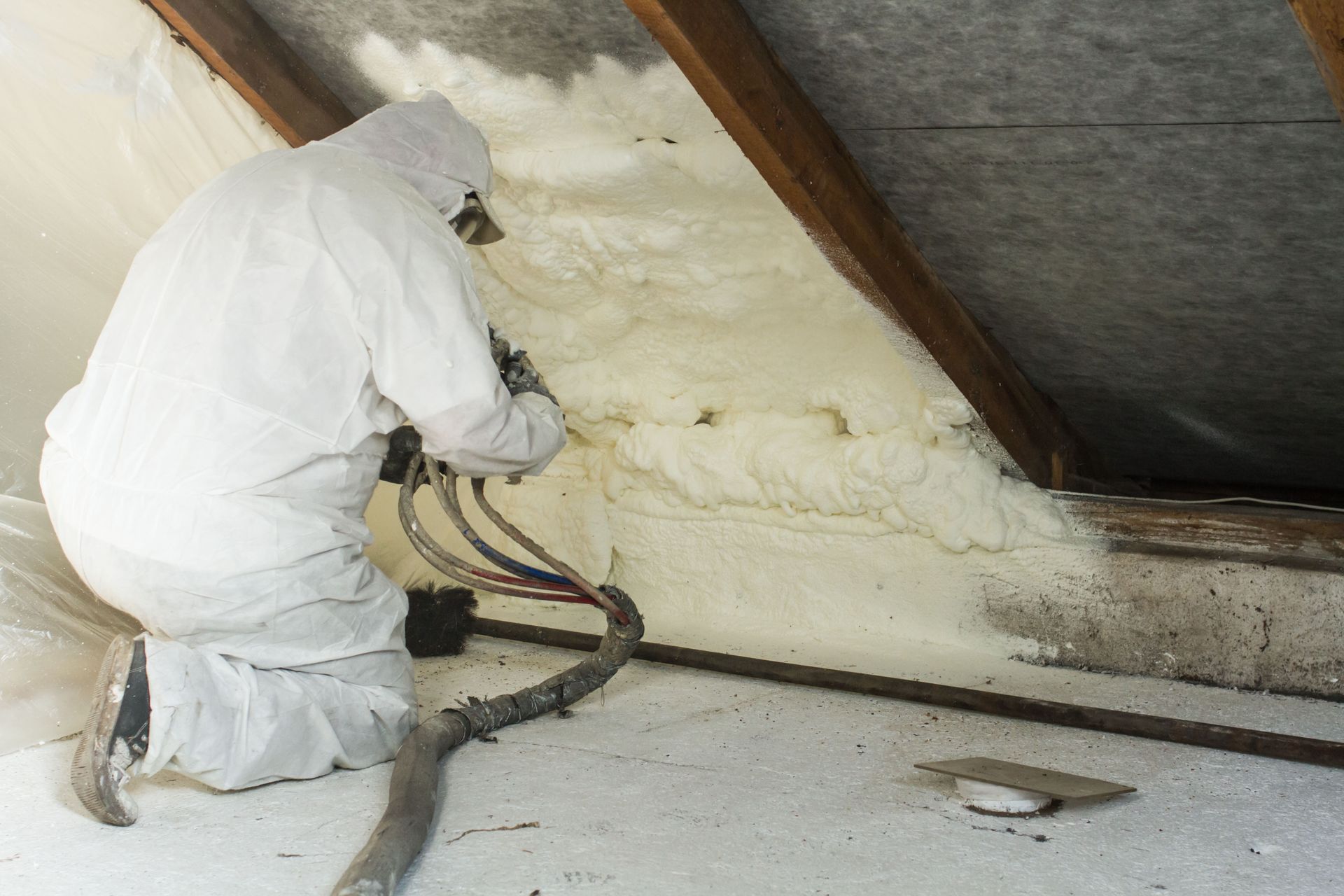
The application process of spray foam roofing involves a meticulous series of steps that ensure maximum efficiency and effectiveness. A professional roofer typically begins by cleaning the roof surface to ensure optimal adhesion, followed by the controlled application of liquid polyurethane foam. Upon application, the foam expands, curing within a short span to form a thick, impenetrable layer that provides excellent thermal insulation. This seamless application minimizes thermal bridging, reducing heat gain or loss and boosting overall energy efficiency. The process is completed by applying a reflective topcoat that enhances UV protection and extends the lifespan of the roof.
Comparison with Traditional Roofing Materials
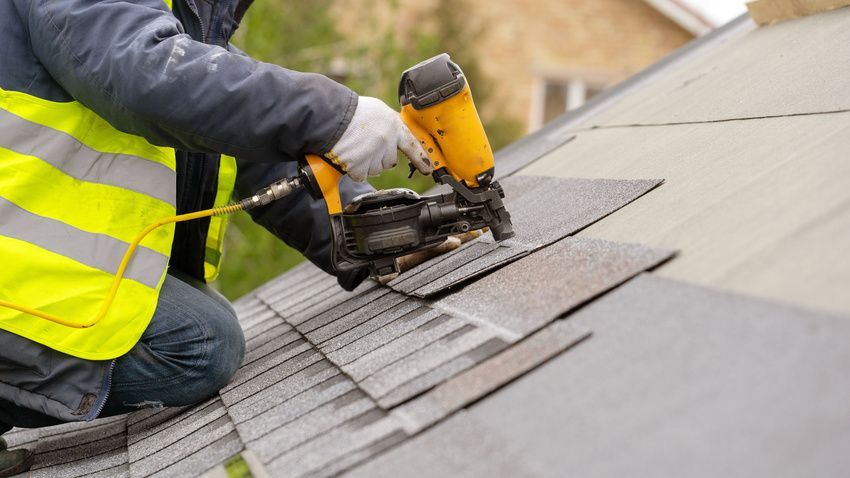
When compared to traditional roofing materials like asphalt shingles or metal sheets, spray foam offers distinct advantages that set it apart. The seamless nature of spray foam eliminates the gaps and overlaps inherent in other materials, significantly reducing the potential for water infiltration. Additionally, the insulation performance of spray foam is unparalleled, offering higher R-values which contribute to better energy efficiency. Unlike conventional materials that may require frequent repairs or replacements due to weathering, spray foam's durability ensures a longer lifespan with lower maintenance needs. Furthermore, the light weight of spray foam reduces structural stress on buildings, making it an attractive option for many property owners.
Environmental Benefits
The environmental impact of roofing materials is an important consideration in sustainable construction practices, and spray foam ranks high in this regard. By enhancing the energy efficiency of buildings, spray foam roofing reduces the overall carbon footprint, lessening the reliance on heating and cooling systems. The high insulating properties mean less energy consumption, translating into substantial savings on utility bills over time. Additionally, the reflective coating applied to spray foam roofs minimizes heat absorption, further assisting in reducing indoor temperatures naturally. Furthermore, the longevity of spray foam roofing means fewer replacements, leading to less material waste and environmental impact over the building's lifetime.
Common Misconceptions
Despite its growing popularity, several misconceptions persist about spray foam roofing that may deter potential users. One prevalent belief is that spray foam is more expensive than traditional roofing options, neglecting to consider the long-term savings in energy efficiency and reduced maintenance costs. Another misconception is that spray foam is susceptible to damage from weather extremes, when in fact, its versatility makes it highly resistant to various climates. Concerns about off-gassing and environmental harm are also unfounded with advancements in safe chemical formulations. Lastly, some individuals believe that all spray foam applications are the same, overlooking the necessity of professional expertise for optimal results.
Advantages of Spray Foam Roofing
Enhanced Insulation Properties
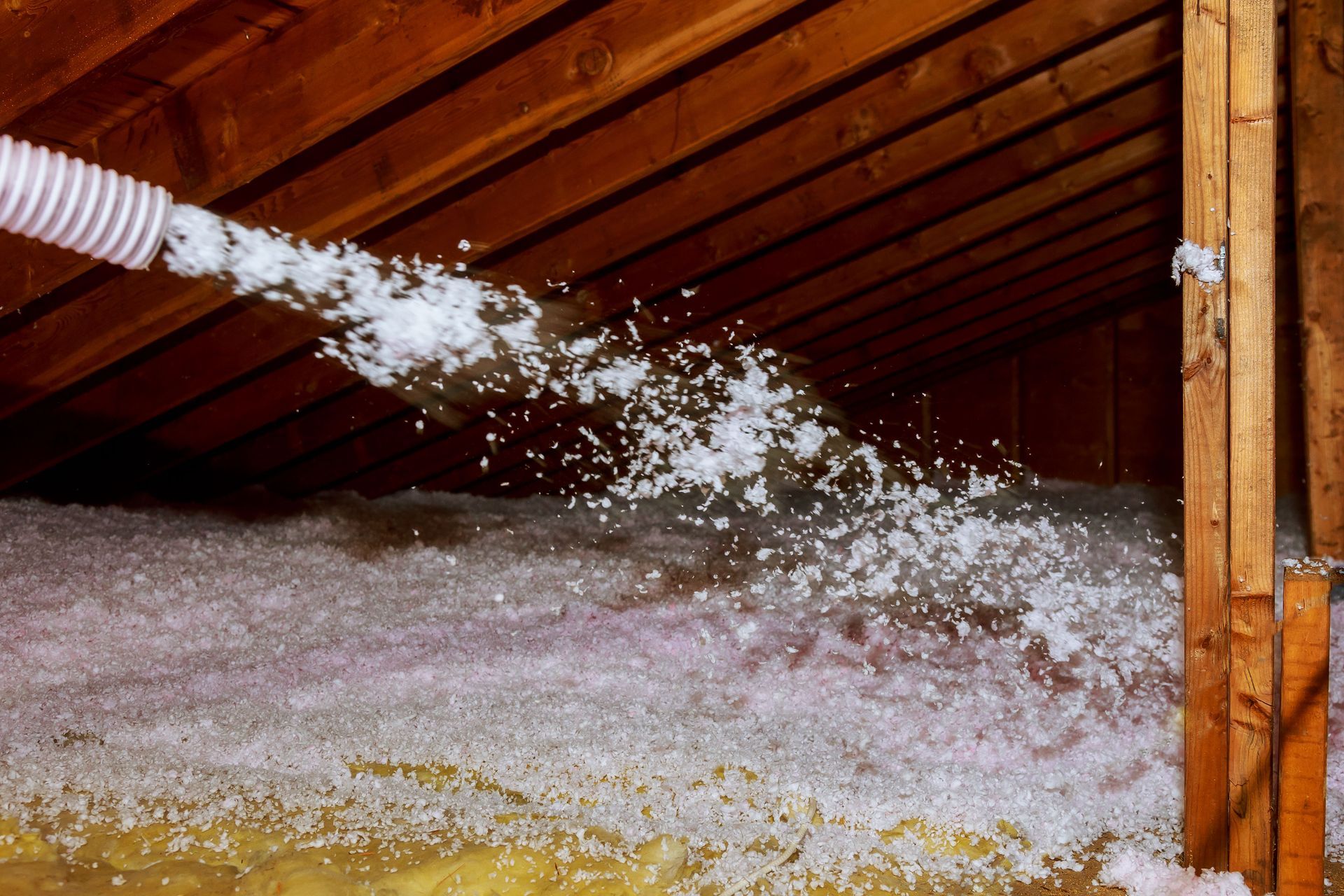
One of the defining advantages of spray foam roofing is its superior insulation properties which surpass those of most traditional options. By achieving a high R-value per inch, spray foam provides exceptional thermal resistance, reducing both heating and cooling demands for buildings. This superior insulation capability not only ensures consistent indoor temperatures but also contributes to increased energy efficiency, leading to lower utility bills for property owners. The continuous application of spray foam prevents air and moisture infiltration, further enhancing its effectiveness as an insulating barrier. Together, these attributes mark spray foam roofing as an economically and environmentally prudent choice.
Longevity and Durability
Durability is a coveted feature of any roofing material, and spray foam roofing delivers impressively in this aspect. It is designed to withstand harsh weather conditions, from torrential rains and hailstorms to extreme temperature fluctuations. Unlike conventional roofing systems that can degrade under such pressures, spray foam retains its structural integrity over time, reducing the need for frequent repairs or replacements. This longevity pays dividends not only by extending the roof's useful life but also by minimizing the associated costs of maintenance and reparations. Additionally, the seamless application minimizes points of weakness, further bolstering its durability.
Energy Efficiency and Cost Savings
The energy efficiency of spray foam roofing is unmatched, presenting tangible cost savings that can accumulate over time. By maintaining optimal indoor temperatures year-round, buildings require less energy to heat and cool, reducing electricity consumption and cutting utility expenses significantly. The benefits extend to enhancing the performance of HVAC systems, which experience less strain thanks to improved insulation. According to IBISWorld, the market size of the insulation contractors industry in the United States is projected to reach $13.6bn in 2026, reflecting an increased emphasis on energy-efficient building solutions like spray foam. As a result, property owners not only benefit financially but also contribute positively to the environment.
Seamless and Waterproof
The seamless nature of spray foam roofing is pivotal to its ability to offer a highly effective waterproof solution. As the foam is applied in liquid form, it expands and fills every crevice and indentation on the roof surface, creating a continuous barrier that eliminates water infiltration points. This cohesive application means that traditional roofing vulnerabilities such as seams, overlaps, and fastener penetrations are effectively nullified. Consequently, the risk of leaks and water damage is drastically reduced, offering peace of mind to property owners. Additionally, this water-resistant quality contributes to extending the life of the roof and the building structure it protects.
Low Maintenance Requirements
A defining benefit of spray foam roofing is its low maintenance requirements, adding to the appeal for property owners seeking cost-effective roofing solutions. The robust nature of spray foam means it can withstand minor damages without necessitating immediate intervention, translating into reduced maintenance efforts. Annual inspections and occasionally recoating the protective layer are generally sufficient to ensure longevity and performance. This lack of intensive maintenance further mitigates overall property upkeep costs, allowing property owners to allocate resources elsewhere. Ultimately, the reduced upkeep associated with spray foam roofing enhances its attractiveness as a long-term investment for property managers and owners alike.
Spray foam roofing offers a range of benefits that make it a practical investment for residential and commercial property owners. From superior insulation and improved energy efficiency to long-term durability and reduced maintenance requirements, this roofing system provides reliable protection while helping control operating costs. Its seamless application also minimizes the risk of leaks and moisture damage, supporting the overall integrity of the building. However, achieving these benefits depends on proper installation, quality materials and regular inspections. Hiring a professional
spray foam roofer helps ensure the roofing system is applied correctly and performs as intended. By investing in professional installation and ongoing maintenance, property owners can enjoy a durable, energy-efficient roofing solution that delivers lasting value and dependable protection. Contact North Central Insulation to get started!