November 18, 2026
Managing a commercial facility comes with a mountain of day-to-day responsibilities that keep business owners, property managers, and warehouse supervisors on their toes. Between balancing operating budgets, scheduling routine equipment maintenance, and ensuring daily employee safety, it is remarkably easy to forget about the massive structural shield overhead. The building's roof works around the clock, taking the brunt of scorching summer sunshine, torrential thunderstorms, driving snow, and biting winter winds.
Addressing a failing roof assembly requires far more than patching a puddle or spreading tar across split seams. Modern commercial architecture features unique structural demands, complex drainage systems, and specialized materials engineered for large-scale applications. According to ZipDo, approximately 75% of commercial roofs in the U.S. are constructed with asphalt shingles, with flat roofs making up about 85% of commercial buildings in urban areas. Hiring an established commercial roofing service ensures your capital assets receive the exact architectural care and insulation backing needed to shield daily operations from the elements.
Asking the right screening questions before signing a contract protects your operational budget and eliminates the stress of unexpected project delays. Taking time to thoroughly vet prospective contractors helps you secure a building envelope that performs reliably for decades.
1. Do You Hold Proper Licensing and Insurance?
The very first question you should ask any prospective contractor centers on their legal credentials and coverage policies. Commercial building projects present unique physical hazards, from heavy crane hoisting operations to open-flame membrane torching high above active employee work areas. Working with a company that cuts corners on regional business licenses or carries thin insurance coverage exposes your business to catastrophic legal and financial liability if an accident occurs on the job site.
A legitimate commercial roofing service will readily provide proof of comprehensive general liability insurance alongside full state workers' compensation coverage. General liability shields your physical building, electrical fixtures, and interior assets from unexpected water damage or structural mishaps during tear-offs. Workers' compensation guarantees that injured roofers receive full medical care without filing direct claims against your commercial property. Verifying active policies with insurance underwriters before signing an agreement keeps your business legally protected throughout every phase of construction.
2. What Specific Commercial Systems Do You Specialize In?
Commercial roofing is not a one-size-fits-all trade, as low-slope and steep-slope commercial properties demand radically different material technologies. A crew that spends nine months a year nailing architectural shingles onto steep church gables might lack the field skills required to heat-weld thermoplastic single-ply membranes on an expansive manufacturing plant. Selecting the wrong material system can accelerate seam failures, cause drainage backups, and drastically shorten the usable lifespan of your building's roof.
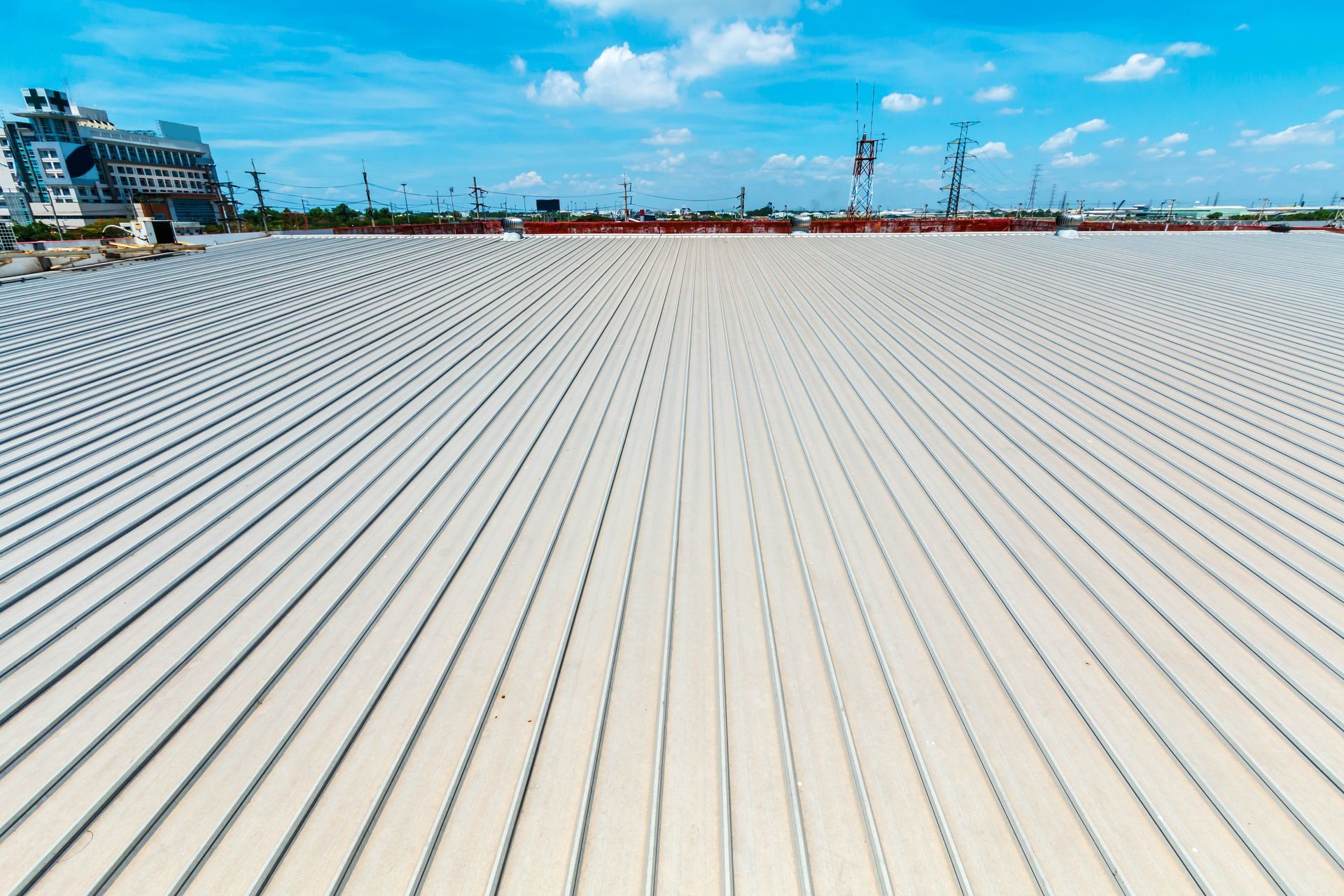
Contracting a versatile commercial roofing service connects you with technicians who understand the subtle differences between single-ply membranes, modified bitumen, metal panels, and fluid-applied coatings. Experienced roofers can explain how a white membrane reflects solar heat to lower summer cooling expenses, or why multi-ply built-up asphalt systems offer superior puncture resistance on roofs with heavy rooftop foot traffic. Matching your building's specific architectural requirements with a contractor who specializes in that exact material ensures durable installation and optimal thermal performance.
3. How Will You Minimize Disruptions to Daily Operations?
Running a bustling business means you cannot afford to shut down operations just because construction crews are working overhead. Commercial tear-offs and reroofing projects naturally produce loud scraping noises, heavy equipment vibrations, strong chemical adhesive odors, and continuous forklift traffic across parking lots. If a contractor conducts work without a clear staging strategy, blocked loading docks, crowded customer parking spaces, and falling construction debris can paralyze your daily commerce.
Partnering with an organized commercial roofing service ensures your project includes a written operational logistics plan before mobilization day arrives. Conscientious contractors coordinate staging zones away from customer entrances, establish designated loading lanes for material deliveries, and schedule loud demolition phases during off-peak evening hours. They also take active steps to seal air intake vents so chemical fumes do not circulate into interior offices. Clear logistical planning keeps your employees safe, maintains continuous customer access, and keeps your company productive while renovations take place.
4. What Manufacturer Warranties Cover the Installation?
A roof is only as dependable as the guarantees supporting its materials and workmanship. In the commercial building sector, warranties typically divide into two distinct categories: the manufacturer warranty covering material defects and the installer warranty covering workmanship errors. A twenty-year material guarantee sounds great on paper, but if the installation crew uses incorrect fasteners or fails to weld seam margins properly, the manufacturer may void your claim when water starts leaking inside.
Hiring a certified commercial roofing service that carries master-installer credentials from leading roofing manufacturers unlocks the strongest available warranty tiers. These premium guarantees often cover both materials and labor costs for decades, ensuring that factory inspectors visit the job site to verify installation quality before signing off on the policy. Clarifying warranty exclusions, terms, and annual inspection requirements protects your financial investment and ensures you are not left paying for premature failures.
5. Can You Provide Local References from Similar Projects?
Any roofing sales representative can show up with glossy marketing brochures, polished presentations, and attractive price quotes. However, true craftsmanship and project dependability are best measured through the experiences of local facility managers who have worked with the company. Talking with peers in your regional business community reveals how a contractor handles unexpected weather delays, whether they adhere to estimated timelines, and how quickly they respond when emergency punch-list issues arise.
An established commercial roofing service with a strong reputation will gladly supply names, addresses, and phone numbers of local commercial clients they have served recently. Reaching out to property managers gives you unvarnished feedback regarding the contractor's cleanliness, crew professionalism, and adherence to safety protocols. A history of successful installations across local warehouses, medical centers, retail plazas, and manufacturing plants confirms that the contractor has the organizational capacity to handle your building's unique scale.
6. How Do You Manage On-Site Safety Protocols?
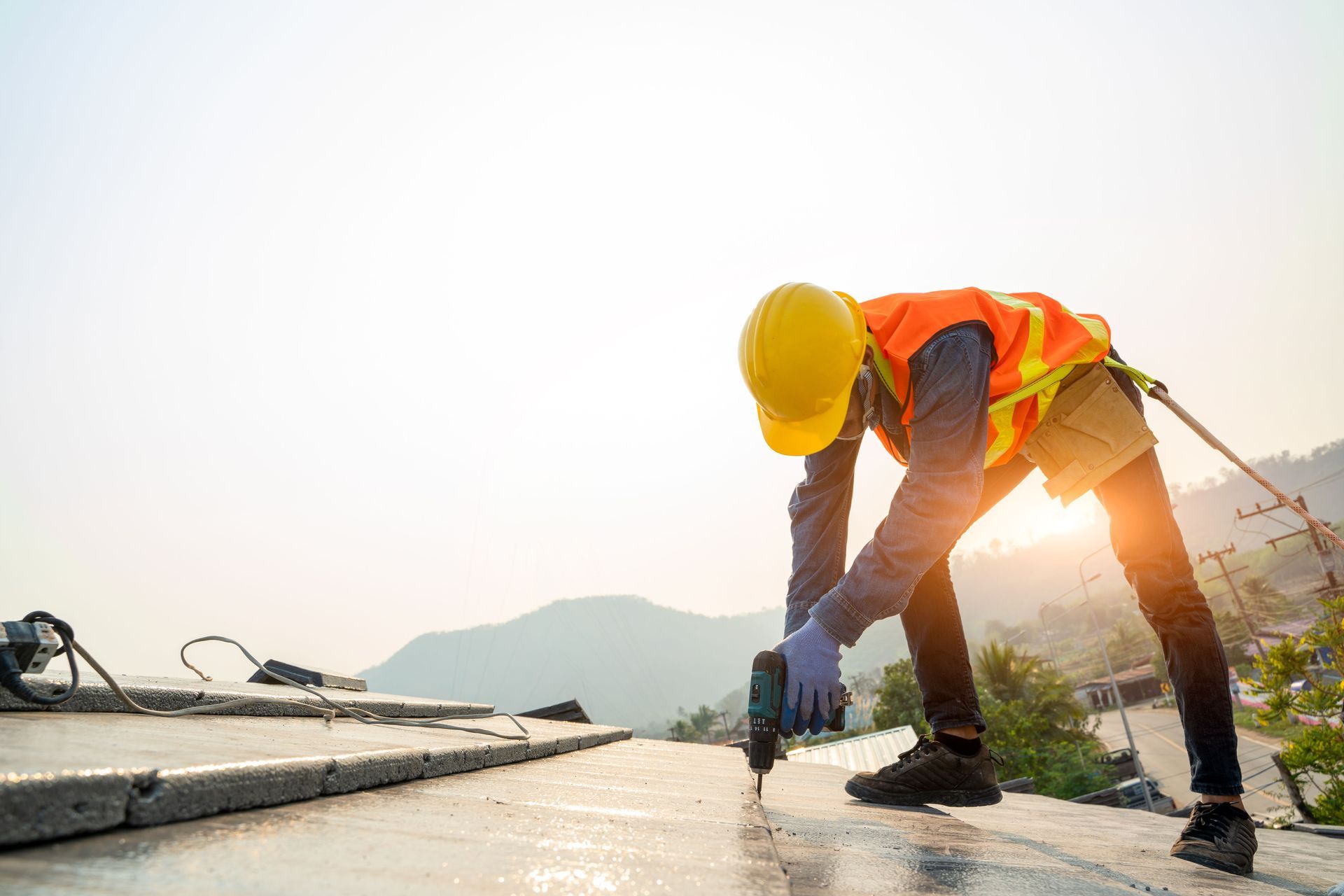
Commercial roofing consistently ranks among the most hazardous construction trades, demanding strict adherence to regional and federal workplace safety regulations. Workers face high falls, thermal burns from hot asphalt kettles, electrical hazards near overhead power lines, and falling material risks along building perimeters. A job site that lacks dedicated safety oversight invites regulatory fines, stop-work orders, and devastating physical injuries that bring your roofing project to a sudden halt.
A dedicated commercial roofing service enforces rigorous, daily safety practices that protect both roofers and other building occupants. Skilled contractors maintain personal fall arrest systems, install sturdy perimeter guardrails around roof perimeters, and secure safety netting over skylight openings. They also hold daily safety briefings, appoint certified safety monitors, and keep heavy fire extinguishers stationed near all heat sources. Prioritizing strict job site safety ensures that your reroofing project proceeds without costly OSHA interventions or avoidable physical accidents.
Investing in ongoing maintenance through a dependable commercial roofing service adds years of reliable service to your building's existing roof system. Structured maintenance programs include biannual comprehensive inspections, clearing organic debris from internal roof drains, resealing flashing collars around pipe penetrations, and documenting minor wear for insurance records.
Selecting the right commercial contractor to protect your facility is one of the most critical structural decisions you will make as a business owner or property manager. When you are ready to evaluate your building's overhead protection, enhance thermal performance, and secure dependable craftsmanship, reach out to the experienced team at North Central Insulation to book an inspection with a premier
commercial roofing service!