November 7, 2026
Modern commercial buildings must balance utility, comfort, and interior environmental quality. While facility managers focus on climate control, sound management plays an equally vital role in creating productive workspaces. Excessive ambient noise from highways, rainfall, mechanical rooms, and aircraft penetrates building envelopes lacking adequate acoustic barriers. Implementing sound-dampening insulation provides an immediate solution to unwanted environmental noise while improving interior thermal stability. When property managers plan exterior renovations, consulting a commercial roofing contractor helps ensure the roof assembly integrates thermal performance and optimal acoustic mitigation.
Acoustic design involves understanding how exterior sound waves travel through solid building assemblies. Without dense insulation within ceilings and exterior walls, airborne sound waves pass through standard steel decking and cladding with minimal resistance. This acoustic vulnerability creates distracting environments across office suites, classrooms, healthcare clinics, and retail centers. Sound-dampening insulation absorbs vibrational energy before that energy translates into audible sound waves inside working areas. Incorporating high-performance acoustic layers beneath roofing decks and between structural partitions allows building owners to establish quiet interiors regardless of exterior environments.
Understanding Sound Transmission in Modern Facilities
Every commercial property encounters distinct acoustic challenges based on location, construction materials, and daily operations. Airborne noise travels through open air spaces, window perimeters, ventilation shafts, and roof membranes. Impact noise stems from direct physical vibrations like heavy footsteps, operating machinery, raindrops, or hail hitting an exterior metal roof deck. When a commercial roofing contractor evaluates a commercial building envelope, the roof deck often stands out as a primary entry point for exterior acoustic intrusion.
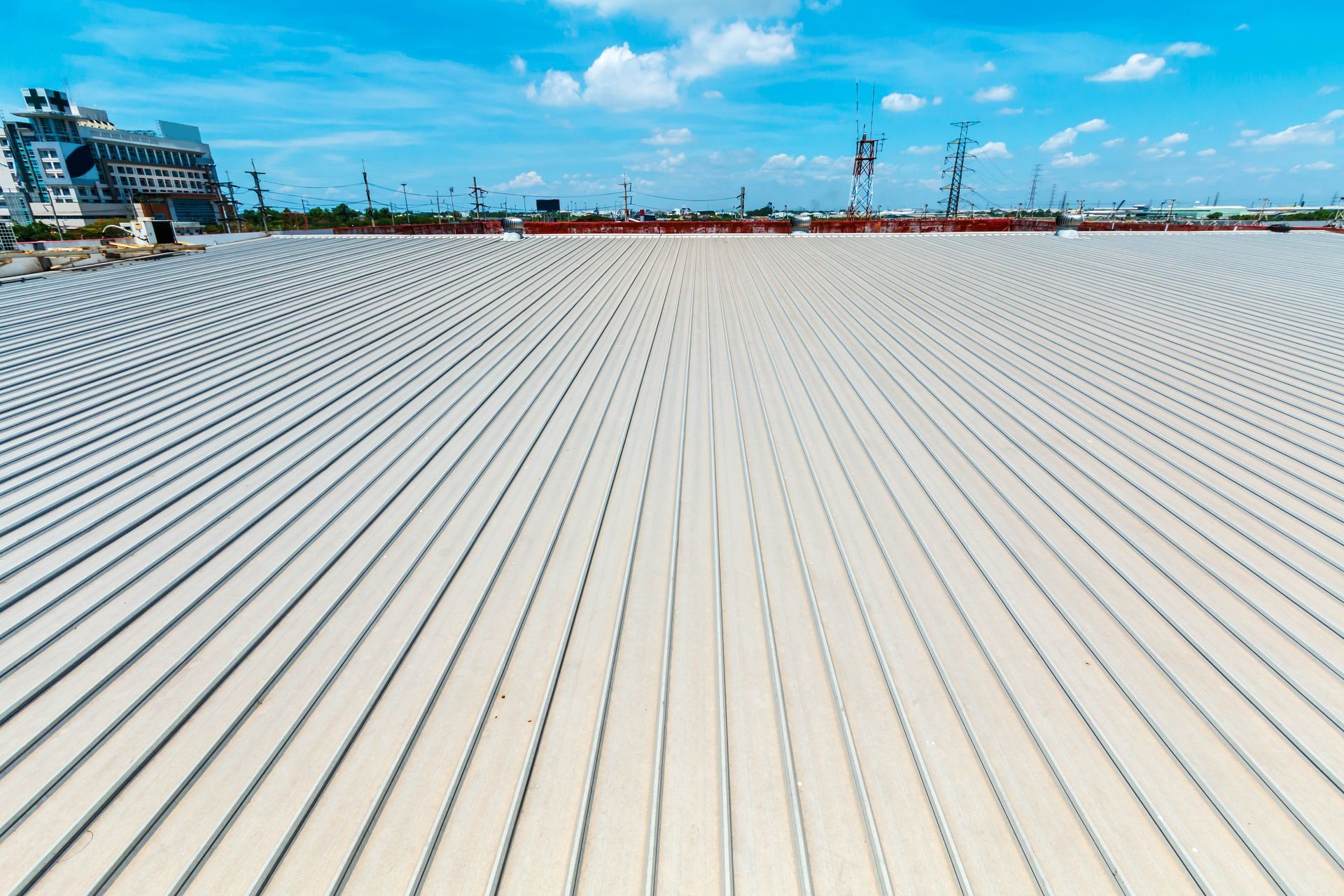
Standard commercial roofs feature expanses of corrugated steel, concrete, or decking topped with weatherproofing membranes. While these weatherproofing layers deflect precipitation, they offer minimal resistance against ambient acoustic frequencies. High-frequency street noise and low-frequency mechanical rumblings penetrate bare assemblies quite easily. Specialized commercial insulation materials combat this acoustic vulnerability by scattering, reflecting, and absorbing airborne pressure waves before they transmit into interior ceiling cavities.
The internal open-cell and dense fibrous structures of commercial insulation absorb vibrational energy through friction. As acoustic waves navigate through dense layers of mineral wool, fiberglass, or tailored spray foams, the kinetic energy of the sound wave dissipates into negligible heat energy. This physical dampening prevents sound waves from echoing against structural framing, ensuring that speech, office equipment, and exterior disruptions remain contained.
Examining Acoustic Barriers within Roof Assemblies
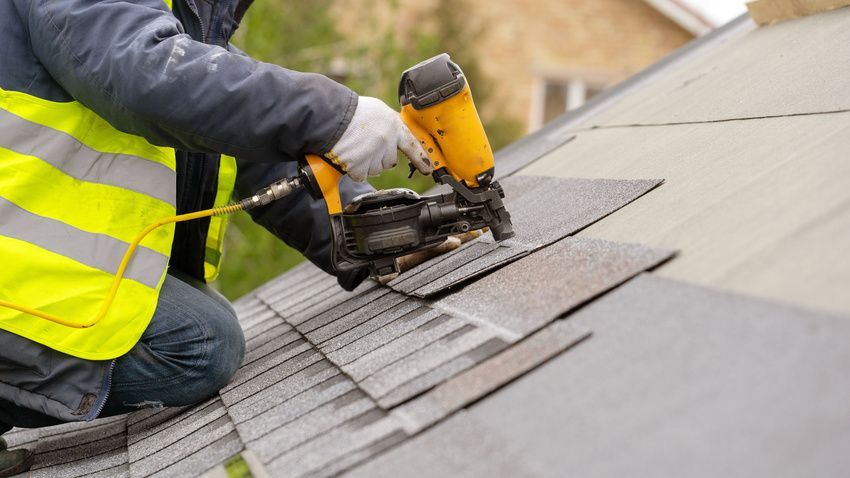
Commercial roof assemblies serve as the primary line of defense against heavy rainfall, severe weather events, and exterior environmental sounds. In expansive office complexes or industrial warehouse facilities, roof noise quickly becomes an overwhelming disturbance if acoustic insulation is neglected during roof installation or replacement projects. Engaging an experienced commercial roofing contractor allows building owners to specify insulation systems engineered to dampen sound vibrations across broad frequency spectrums.
Different insulation products contribute varied acoustic absorption qualities to roof decks. Rigid foam boards are valued for continuous thermal boundaries, but fibrous insulation boards and specialized spray applications deliver superior acoustic dampening properties. Dense stone wool boards installed directly above the structural deck absorb sound waves from heavy precipitation and passing aircraft before those vibrations transmit to ceiling tiles below.
Combining rigid boards with fibrous materials or seamless foam insulation creates a hybrid barrier that interrupts sound transmission pathways. Because sound waves travel easily through continuous, solid materials, introducing layers with differing densities prevents acoustic frequencies from moving cleanly into the building interior. A commercial roofing contractor can coordinate the placement of these acoustic layers alongside vapor barriers and waterproof membranes to preserve structural integrity while enhancing workplace quiet.
Choosing Effective Materials for Airborne Sound Absorption
Selecting insulation material depends heavily on the specific noise frequencies impacting a commercial structure. Industrial facilities containing heavy mechanical systems require dense dampening materials capable of blocking low-frequency rumble, whereas offices adjacent to busy traffic corridors need insulation that arrests mid-frequency speech and motor sounds. Proper acoustic planning addresses these distinct challenges with tailored insulation applications.
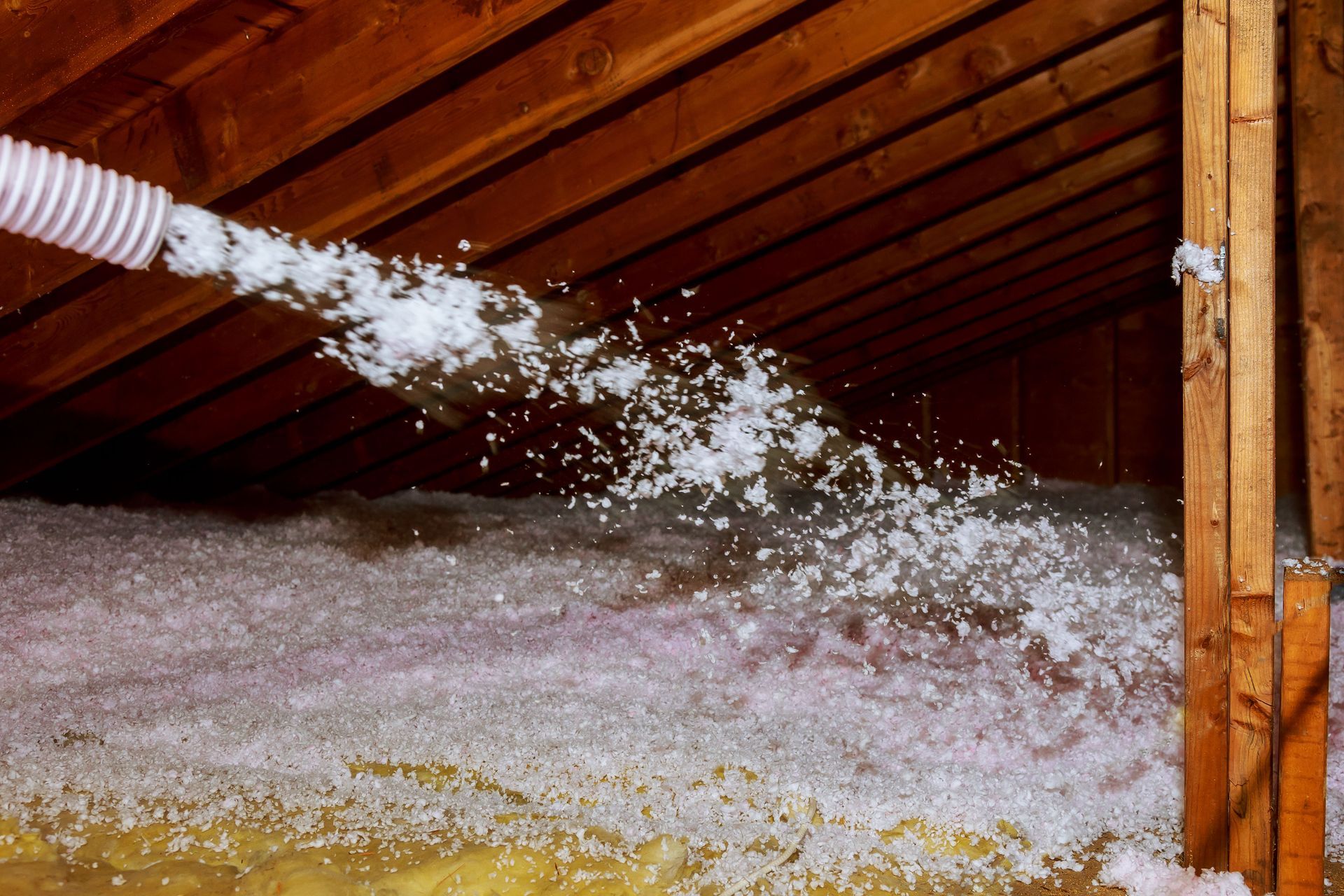
Mineral wool ranks among the most effective commercial products for noise control due to its exceptional density and non-directional fiber structure. These dense fibers trap acoustic energy, making the material ideal for insertion into ceiling plenums, partition assemblies, and exterior roof systems. Fiberglass batt insulation also provides dependable sound absorption across vocal ranges, making it effective for retrofitting interior drywall partitions and suspended ceilings.
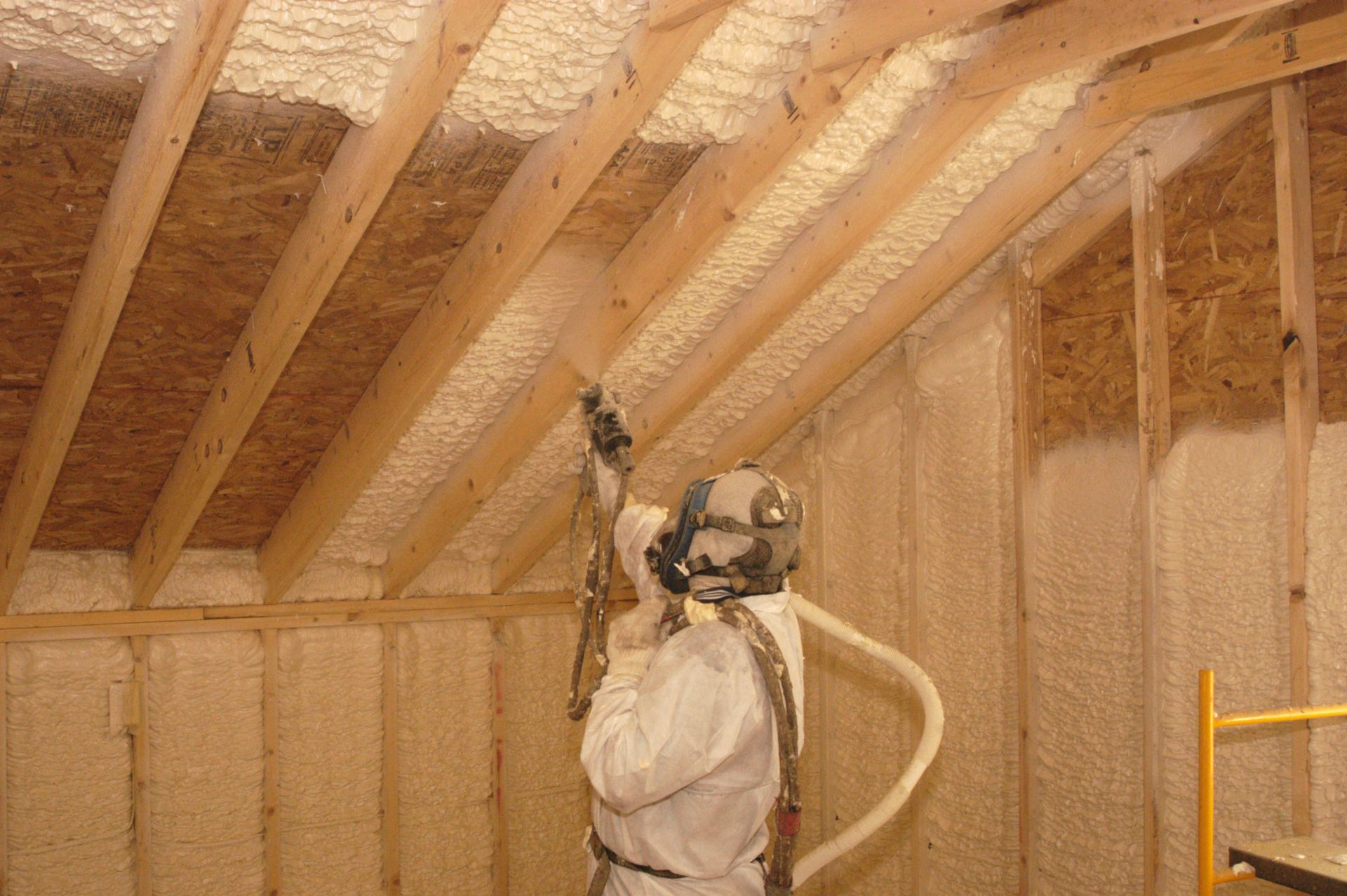
Spray-applied polyurethane foams offer unique acoustic advantages by filling minute structural gaps, cracks, and joints that standard batt insulation cannot reach. According to OneClickDIY, premium spray foam materials have the capacity to diminish mid-frequency sounds, such as typical human conversations, by up to 48.8 dB at 1600 Hz when properly applied. This acoustic attenuation highlights why spray-applied systems serve as powerful solutions for sealing exterior building envelopes against ambient neighborhood disturbances.
Open-cell spray foams feature flexible cell structures that absorb airborne acoustic waves exceptionally well, while closed-cell varieties deliver rigid structural support alongside moisture protection. When applied across commercial roof eaves, wall cavities, and decking undersides, spray foam stops acoustic flanking, which occurs when sound bypasses primary barriers through tiny air gaps. Facility planners frequently consult a commercial roofing contractor to ensure these spray applications align with local building codes and roof ventilation requirements.
Integrating Thermal and Acoustic Building Protection
Modern commercial architecture favors multifunctional building materials that solve multiple performance challenges simultaneously. Commercial insulation achieves this balance by pairing robust acoustic cancellation with comprehensive thermal barrier performance. Installing acoustic insulation creates an environment where indoor temperatures remain steady while outdoor noise levels drop significantly.
Thermal control and acoustic dampening often share common installation techniques. Continuous insulation across roof decks eliminates thermal bridging while preventing sound vibrations from traveling through structural steel joists. When facility teams partner with a commercial roofing contractor during planned building envelope retrofits, they can optimize insulation thickness to maximize acoustic quiet without compromising interior space or structural load limitations.
Beyond roof systems, incorporating sound-absorbing insulation into interior plenum spaces prevents mechanical equipment noise from echoing across open office floors. Air handling equipment and ductwork generate vibrations that travel across metal duct surfaces. Enclosing mechanical rooms with dense insulation batts and wrapping supply ducts isolates noisy equipment from customer-facing areas.
This integrated protective strategy enhances indoor environmental quality across departments. Employees in quiet environments exhibit higher focus and productivity. In healthcare facilities, quiet rooms accelerate patient recovery, while in hospitality spaces, peaceful rooms generate positive reviews and repeat visits.
Coordinating Building Upgrades for Maximum Quiet
Achieving peak acoustic performance requires holistic planning across all building systems rather than treating noise control as an afterthought. Structural penetrations, rooftop mechanical equipment curbs, expansion joints, and skylights present potential acoustic vulnerabilities where exterior sound can breach the building perimeter. Addressing these areas during major exterior maintenance projects delivers reliable acoustic protection.
Collaborating with a skilled commercial roofing contractor during roof design phases ensures that acoustic insulation integrates seamlessly with drainage slopes, parapet flashing, and mechanical equipment curbs. Acoustic isolation pads can be installed beneath rooftop air conditioning units, while dense spray foam insulation seals perimeter gaps around structural curbs. This layered approach prevents equipment vibrations from transferring directly into ceiling framing and radiating into occupied interior offices below.
Maintaining a peaceful interior atmosphere is an essential requirement for modern commercial facilities seeking to foster productivity, privacy, and well-being. Acoustic insulation acts as a formidable shield against disruptive outdoor noises, equipment hums, and rainfall impact. If you are ready to enhance the quiet and comfort of your commercial facility, contact us at North Central Insulation today. We will help you select the ideal acoustic insulation solutions for your property.