April 7, 2026
The importance of effective insulation in warehouses and industrial buildings cannot be overstated. In today's era of sustainable development, insulation contributes significantly to energy conservation and reduces carbon footprint. Not only does it play a critical role in temperature regulation and energy efficiency, but it also has substantial implications for operational costs and sustainability. This article explores the best insulation solutions tailored for these types of structures, focusing on various insulation types, techniques, and considerations. By understanding these elements, businesses can make informed decisions to optimize the performance of their investments, especially when working with a commercial insulation contractor.
Key Factors to Consider When Choosing Insulation
Thermal Resistance (R-value)
The R-value of insulation measures its ability to resist heat flow, with higher values indicating better performance. When selecting insulation for industrial buildings, it is crucial to balance R-value with other requirements like cost and application feasibility. Different types of insulation come with varying R-values, which affect how they perform in different climates and parts of the structure. By understanding R-value calculations, facility managers can predict the insulation efficiency of their choices. Companies must consider the intended use of the building and local climate conditions to ensure appropriate R-values are applied, often with guidance from a commercial insulation contractor.
Moisture Resistance
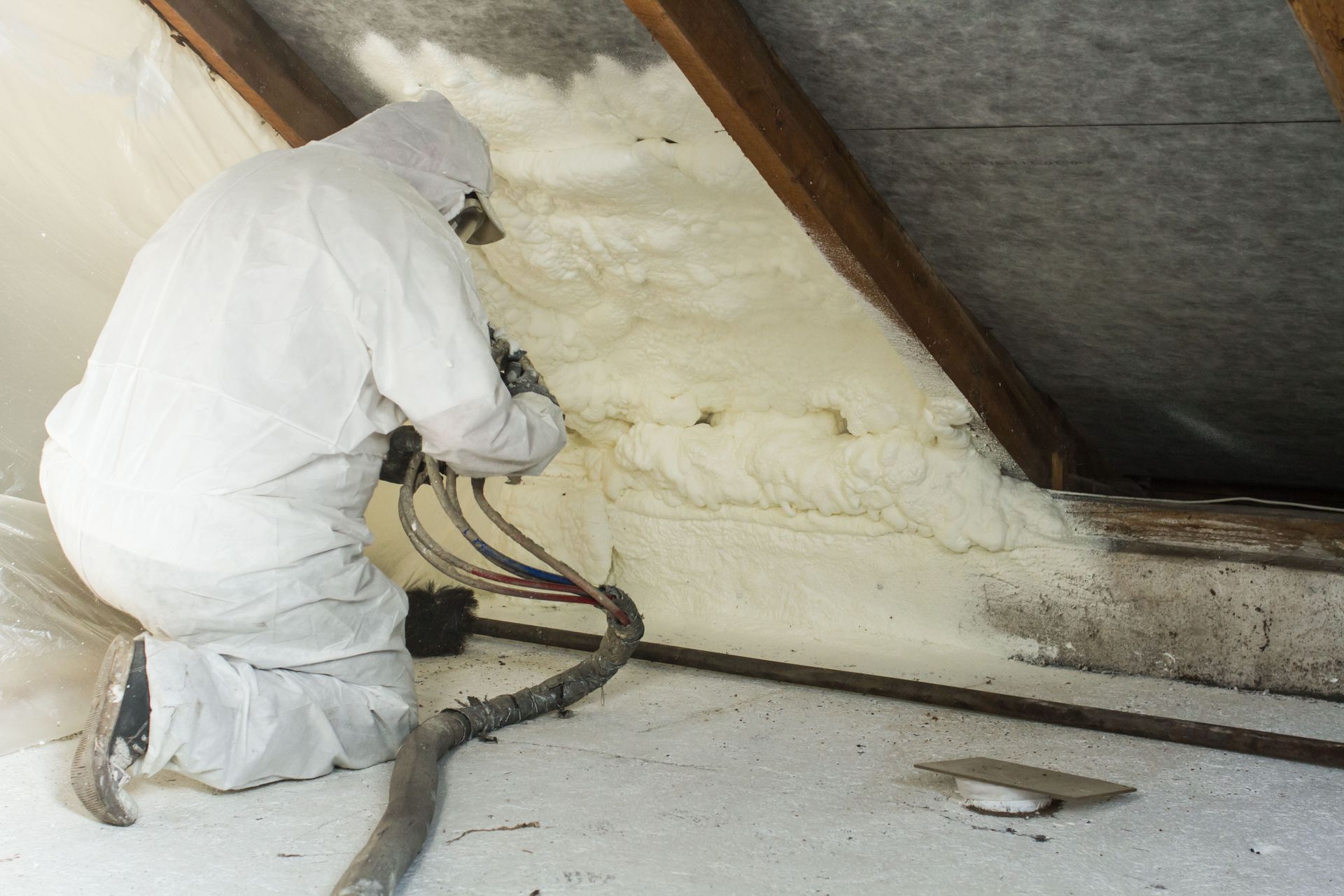
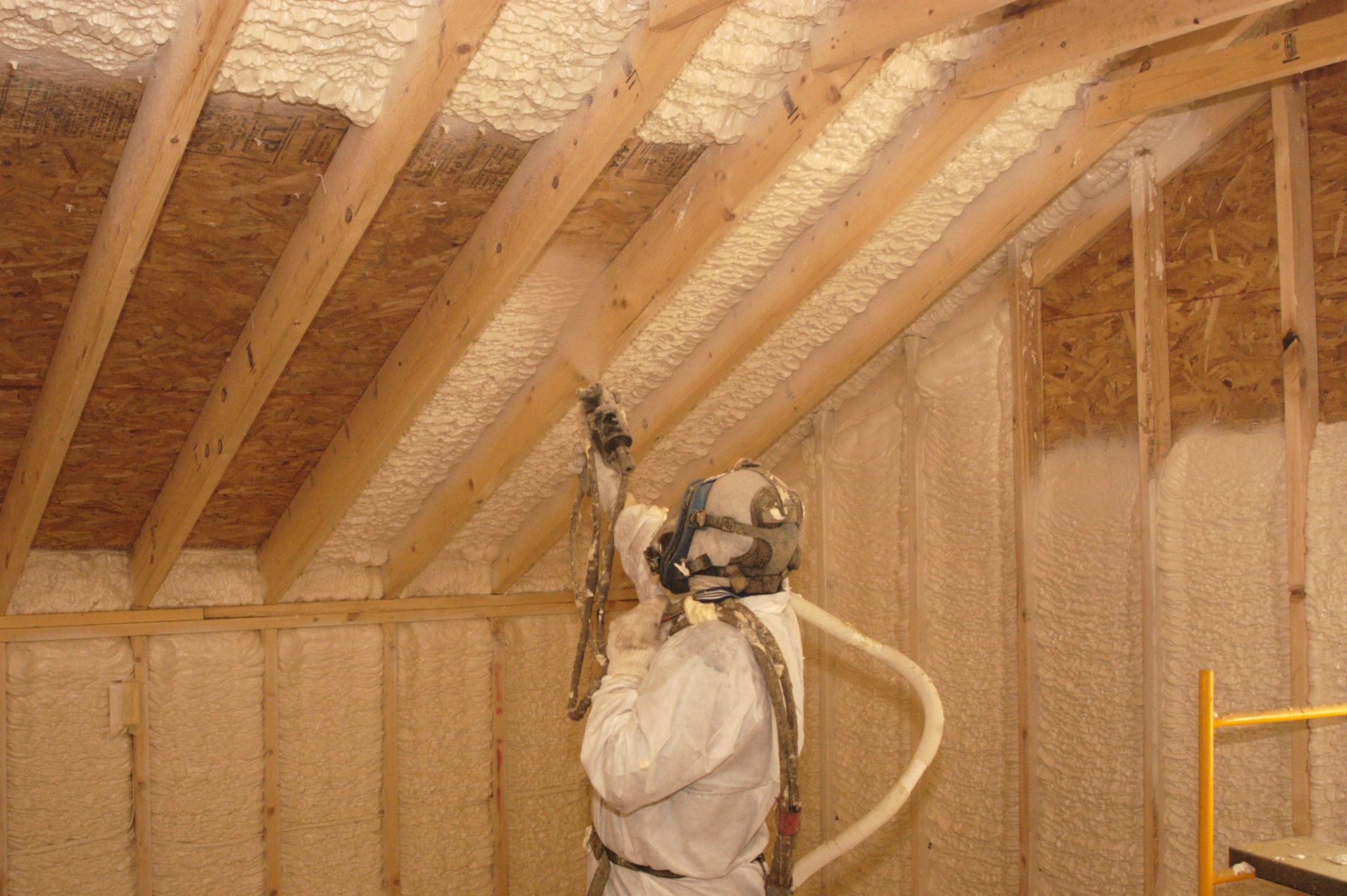
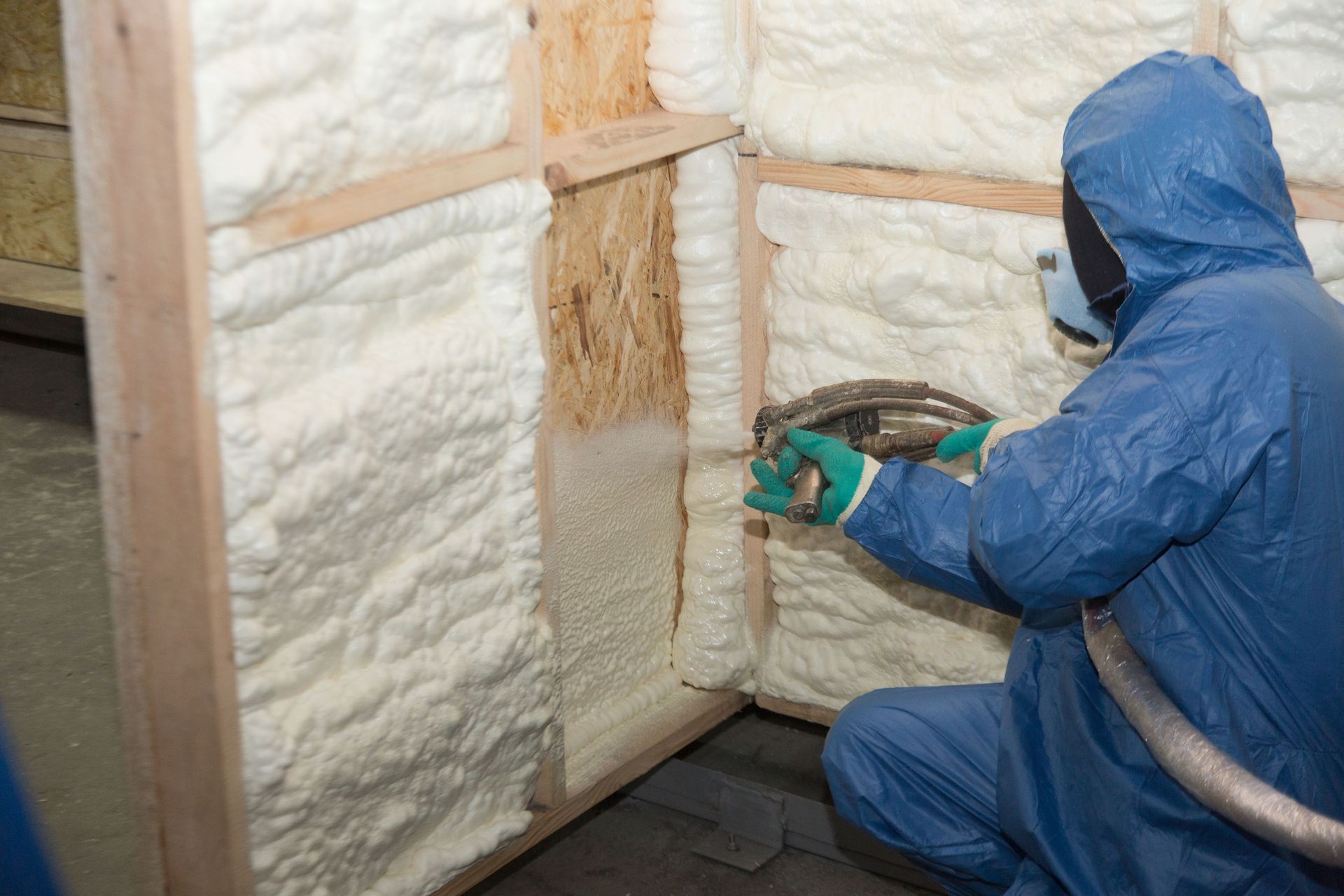
Moisture resistance is a critical consideration for warehouses and industrial buildings, particularly in regions with high humidity. Insulation materials that absorb moisture can lose their effectiveness and lead to mold growth, compromising indoor air quality. Certain types of insulation, like spray foam and rigid board, offer superior moisture resistance, making them ideal for such environments. The incorporation of vapor barriers can further enhance moisture control. Proper installation and maintenance play an essential role in preserving the insulation's integrity against moisture penetration. Working with a commercial insulation contractor can help identify moisture-resistant materials that align with the building’s environmental conditions.
Fire Resistance
Fire resistance is a paramount aspect of insulation choice for industrial facilities, especially those handling combustible materials. Mineral wool insulation is known for its superior fire resistance, maintaining its integrity even under high temperatures. Ensuring that insulation materials meet fire safety codes and standards is crucial to protecting lives and assets. In addition to material choice, fire-resistant coatings and specialized installation techniques can enhance the fire safety of insulation systems. Selecting materials with high fire ratings is a proactive approach to mitigating fire hazards in industrial settings.
Insulation Solutions for Energy Efficiency
Maximizing Thermal Performance
To maximize thermal performance, selecting the right insulation is the first vital step. Different materials provide varying levels of insulation performance, with some combinations offering enhanced R-values. The strategic placement of insulation in areas with high heat loss or gain also contributes to energy efficiency. Additional techniques, such as airtight construction practices, can improve the overall thermal barrier of the structure. Facility managers should work with a commercial insulation contractor to optimize the insulation design for maximum thermal performance.
Reducing Energy Consumption
Insulation is a powerful tool for reducing energy consumption in industrial facilities. By minimizing the need for heating and cooling, optimized insulation can lead to substantial energy savings and reduced utility bills. This reduced energy consumption directly correlates with reduced emissions from power plants, contributing to environmental sustainability. According to the EPA, insulation can reduce heating and cooling costs by up to 30%, a significant saving that underscores its importance. Investing in high-performance insulation is an investment in both operational savings and a greener future.
Integration with HVAC Systems
Insulation must be considered alongside HVAC systems to achieve comprehensive energy efficiency. An integrated approach ensures that heating and cooling systems operate optimally without wasting energy. Installing insulation that complements the HVAC setup can enhance system efficiency, leading to further reductions in energy use. Proper coordination between these systems requires planning and potentially the expertise of energy consultants. This integration ensures that both systems support each other and achieve maximum energy performance for the facility when coordinated by a commercial insulation contractor.
Insulation Techniques for Noise Reduction
Application of Soundproof Materials
The application of soundproof materials is vital in industrial settings to reduce noise pollution and create a more comfortable work environment. Insulation plays an undeniable role in sound attenuation by absorbing sound waves and minimizing their passage through structures. Dense materials like mineral wool or specialized acoustic foam are common choices for soundproofing purposes. Installing these materials within walls, ceilings, and floors can effectively mitigate noise transmission. When incorporated as part of an overall acoustic design, these materials significantly enhance workplace productivity and well-being.
Installing Acoustic Panels
Acoustic panels are effective solutions for enhancing soundproofing within industrial environments. These panels reduce echo and reverberation, creating more controlled acoustics in areas prone to noise. Various panel sizes and designs allow for customization based on specific noise control needs and aesthetic preferences. They are often installed on walls or ceilings, working hand-in-hand with existing insulation systems to optimize sound reduction. The use of acoustic panels contributes to a more balanced acoustic environment, improving communication and reducing employee fatigue.
Layering for Maximum Effectiveness
Layering different insulation and soundproofing materials can achieve maximum noise reduction benefits. By combining multiple materials, such as rigid board insulation with mineral wool, industrial facilities can enhance both thermal resistance and soundproofing. This technique requires careful planning to ensure compatibility of materials and effectiveness in sound attenuation and thermal performance. In practice, layering approaches are tailored to address specific noise sources or thermal challenges faced by the facility. Utilizing expert advice can ensure optimal material selection and installation practices for achieving desired outcomes.
Long-term Maintenance of Insulation
Regular Inspection and Repair
Regular inspection and repair of insulation systems are indispensable for maintaining their efficiency and longevity. Over time, insulation materials can settle, degrade, or suffer damage from external forces, compromising thermal and acoustic performance. Scheduled inspections allow for the early detection of such issues, facilitating timely interventions and repairs. Identifying and addressing weak points, such as areas with water intrusion or physical damage, can prevent larger problems from developing. Adopting a proactive maintenance strategy ensures the continued effectiveness of insulation solutions.
Replacing Worn-out Materials
Over time, all insulation materials have a lifespan after which their effectiveness may diminish. Replacing worn-out materials is a necessary part of maintaining an efficient and robust insulation system. When insulation begins to underperform, it can lead to increased energy consumption and reduced comfort within the facility. Timely replacement prevents these issues while offering opportunities to upgrade to newer, more advanced insulation technologies. Facilities should follow manufacturer guidelines and consult professionals to determine the optimal replacement schedule.
Ensuring Proper Ventilation
Proper ventilation is critical to the health and efficiency of both the building's occupants and its insulation systems. Inadequate ventilation can lead to moisture buildup, which adversely affects insulation materials and can cause mold growth. Ensuring that ventilation systems are effective in regulating airflow and humidity levels is key to preserving insulation integrity. Additionally, well-designed ventilation can complement thermal management by improving indoor air quality and distributing conditioned air consistently. Managing ventilation effectively supports multiple facets of building performance, from energy efficiency to occupant comfort.
Investing in the appropriate insulation solutions can lead to significant benefits for warehouses and industrial buildings. These include enhancing energy efficiency, reducing operational costs, and improving the overall environmental impact. Understanding the various types and techniques of insulation enables businesses to make informed decisions tailored to their specific needs. Considering factors such as thermal resistance, moisture control, and sustainability is essential in navigating the insulation landscape. By working with a trusted commercial insulation contractor, industrial facilities can optimize performance, achieve substantial energy savings, and support long-term sustainability goals. Improve efficiency and long-term performance in your facility by partnering with North Central Insulation for expert commercial insulation solutions.