November 21, 2026
Professional insulation helps commercial buildings maintain comfortable temperatures, reduce energy costs, and protect equipment and inventory. Different facilities have unique requirements based on their size, purpose, and operating conditions. Understanding these differences helps property owners choose insulation solutions that improve efficiency, support occupants, and deliver long-term value.
Office Buildings
Office buildings depend on heating and cooling systems to maintain comfortable work environments throughout the year. Professional insulation reduces heat transfer through walls and roofs, helping stabilize indoor temperatures and lower energy consumption. These improvements can reduce utility expenses while creating a more consistent workplace.
Proper insulation also helps minimize drafts, uneven temperatures, and outside noise. A comfortable environment can support employee productivity and satisfaction throughout the year. Commercial insulation contractors can evaluate existing insulation and recommend materials suited to the building's structure, energy requirements, and occupancy.
Retail Spaces
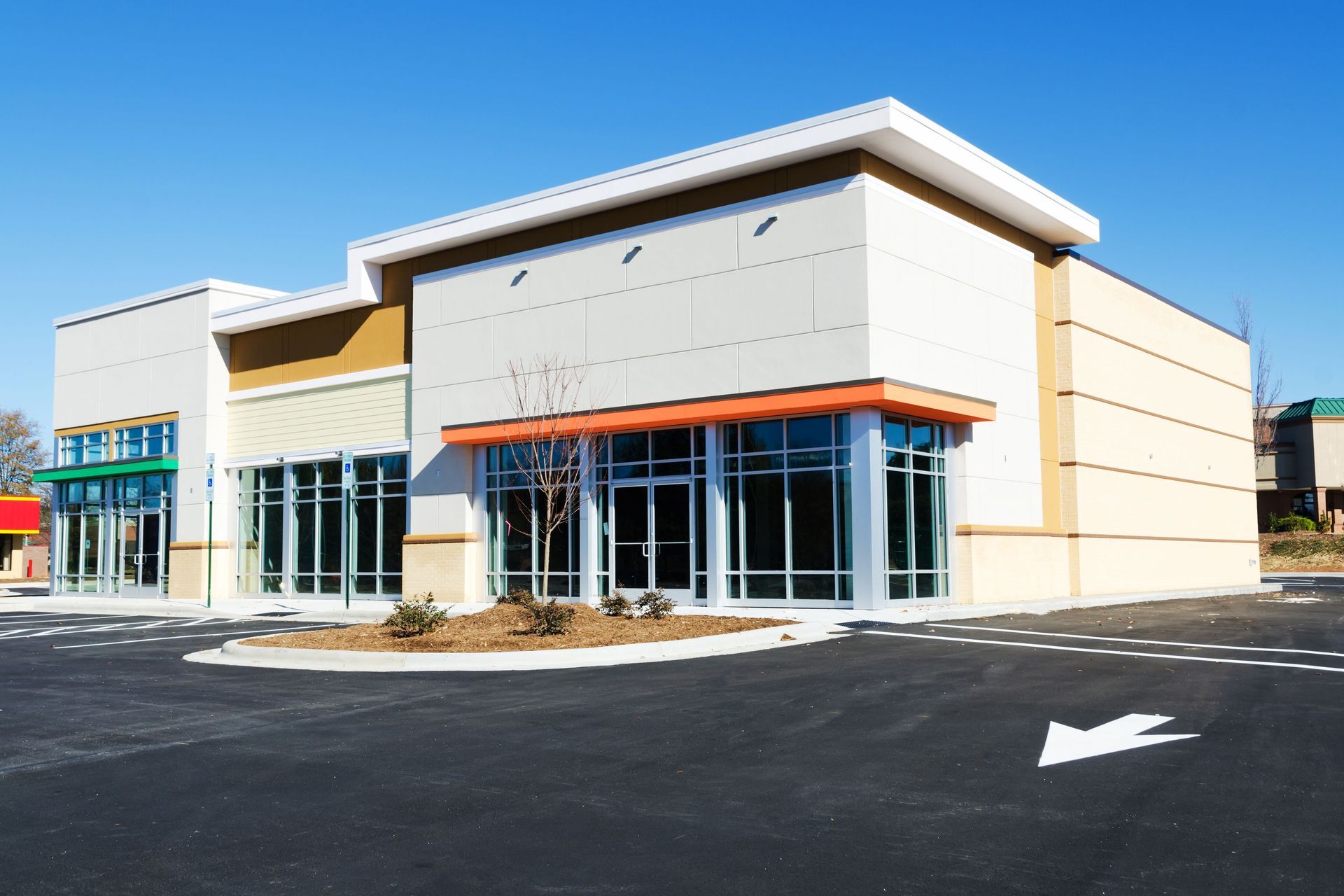
Retail businesses benefit from comfortable shopping environments that encourage customers to browse and spend time in stores. Professional insulation helps maintain consistent temperatures regardless of outdoor conditions, improving comfort for customers and employees. It can also reduce the energy needed to heat and cool large retail spaces.
Temperature control may be especially important for stores carrying sensitive merchandise. Insulation helps limit temperature fluctuations, while appropriate climate-control systems protect products requiring specific storage conditions. Commercial insulation contractors can assess a property's needs and recommend solutions that balance energy efficiency, comfort, and durability.
Warehouses
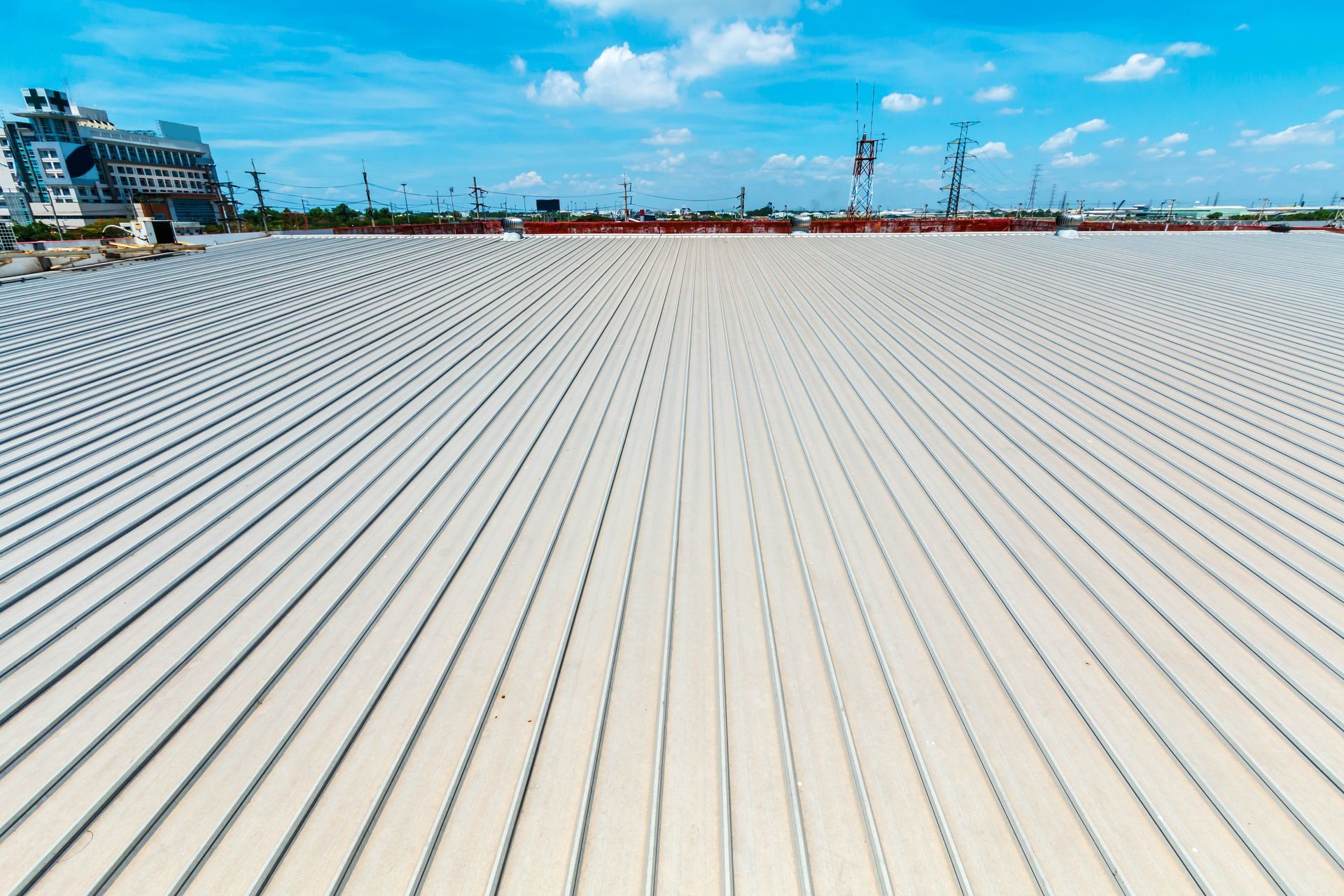
Warehouses often contain large open spaces that are difficult to heat or cool efficiently. Professional insulation reduces heat transfer through walls and roofs, helping maintain more stable indoor temperatures. This can lower energy expenses and improve conditions for employees working throughout the facility.
Insulation can also help protect stored goods from temperature fluctuations. Facilities handling sensitive products may require additional climate-control and moisture-management systems to maintain suitable storage conditions. Commercial insulation contractors can evaluate the building envelope and recommend insulation options based on the warehouse's contents, layout, and operating requirements.
Manufacturing Facilities
Manufacturing buildings may contain machinery, production lines, and materials that require controlled environmental conditions. Professional insulation helps moderate indoor temperatures and reduce the workload on heating and cooling equipment. These improvements can support worker comfort and more efficient facility operations.
Noise management may also be important in industrial environments. Certain insulation materials can reduce sound transmission through walls and ceilings, although specialized acoustic systems may be necessary for loud equipment. Commercial insulation contractors can recommend appropriate materials while accounting for fire safety, building codes, and operational requirements.
Healthcare Facilities
Hospitals, medical offices, and clinics need comfortable environments for patients, staff, and visitors. Professional insulation helps maintain consistent temperatures and reduce drafts, contributing to a more comfortable indoor setting. It can also reduce heating and cooling demand, helping healthcare organizations manage operating expenses.
Some healthcare spaces, including laboratories and specialized storage rooms, require precise temperature and humidity controls. Insulation can support these systems but must be coordinated with ventilation and other building requirements. Commercial insulation contractors can help property managers identify suitable options while considering safety regulations, moisture management, and indoor environmental needs.
Educational Buildings
Schools, colleges, and training centers accommodate large numbers of students and staff. Professional insulation helps maintain comfortable classrooms, offices, libraries, and common areas while reducing energy consumption. Consistent indoor temperatures can contribute to a better learning environment throughout the school year.
Insulation can also help reduce some sound transmission, which may benefit classrooms, libraries, and testing areas. Property managers should consider thermal performance, acoustic requirements, and applicable fire safety standards when planning improvements. Commercial insulation contractors can assess the building and recommend solutions that support efficiency, occupant comfort, and long-term durability.
Hospitality Properties
Hotels need comfortable rooms and shared spaces to provide positive guest experiences. Professional insulation helps maintain stable temperatures and can reduce outside noise, depending on the materials and building construction. These improvements may support guest satisfaction while lowering heating and cooling expenses.
Because hotels often operate around the clock, energy efficiency is an ongoing priority. Insulation can help reduce temperature fluctuations in guest rooms, corridors, and common areas while supporting HVAC performance. Commercial insulation contractors can evaluate the building envelope and identify improvements that suit the property's construction, maintenance requirements, and operating schedule.
Restaurants and Food Service Buildings
Restaurants must maintain comfortable dining areas while managing heat and moisture from cooking operations. Professional insulation helps limit heat transfer through exterior walls and roofs, reducing the effects of outdoor temperatures on indoor comfort. It can also help reduce heating and cooling demand in dining rooms, offices, and other conditioned spaces.
Commercial kitchens require careful coordination between insulation, ventilation, and exhaust systems. Materials must be appropriate for their intended locations and comply with relevant fire safety requirements. Commercial insulation contractors can evaluate these needs and recommend solutions that support efficient, safe operations without interfering with essential ventilation.
Self-Storage Facilities
Self-storage facilities benefit from insulation that helps moderate indoor temperatures and reduce heat transfer. This is especially important for properties offering climate-controlled units. Stable conditions can help protect furniture, electronics, documents, and other belongings from damaging temperature fluctuations.
Insulation works alongside heating, cooling, and moisture-management systems to support suitable storage conditions. Commercial insulation contractors can assess walls, roofs, and other areas where heat transfer may affect performance. The right approach can help storage operators manage energy expenses while protecting stored property and improving the reliability of climate-controlled spaces.
Agricultural Storage Buildings
Agricultural buildings may store harvested crops, animal feed, equipment, and other materials that benefit from controlled environmental conditions. Professional insulation helps reduce temperature fluctuations and supports more stable indoor environments. The appropriate solution depends on the building's purpose and the sensitivity of its contents.
Some agricultural storage facilities require additional ventilation, humidity management, or refrigeration. Insulation can support these systems by limiting unwanted heat transfer through the building envelope. Commercial insulation contractors can recommend durable materials suited to the structure's operating conditions, moisture exposure, and storage requirements.
Data Centers
Data centers house servers and networking equipment that generate substantial heat during operation. These facilities rely on specialized cooling systems to maintain suitable operating temperatures. Professional insulation helps limit heat transfer through the building envelope, supporting overall cooling efficiency and reducing the influence of outdoor temperature changes.
Moisture management, fire safety, and material compatibility are particularly important in technology facilities. Insulation must complement the building's cooling and ventilation systems rather than interfere with them. Commercial insulation contractors can evaluate the property's construction and recommend improvements that support reliable facility performance and long-term energy management.
Selecting the Right Commercial Insulation Materials
Every commercial property has different insulation requirements based on its construction, occupancy, and operating conditions. Offices may prioritize employee comfort, while warehouses may focus on inventory protection and manufacturing facilities may need specialized temperature control. Evaluating these differences helps property owners select materials that meet their buildings' specific needs.
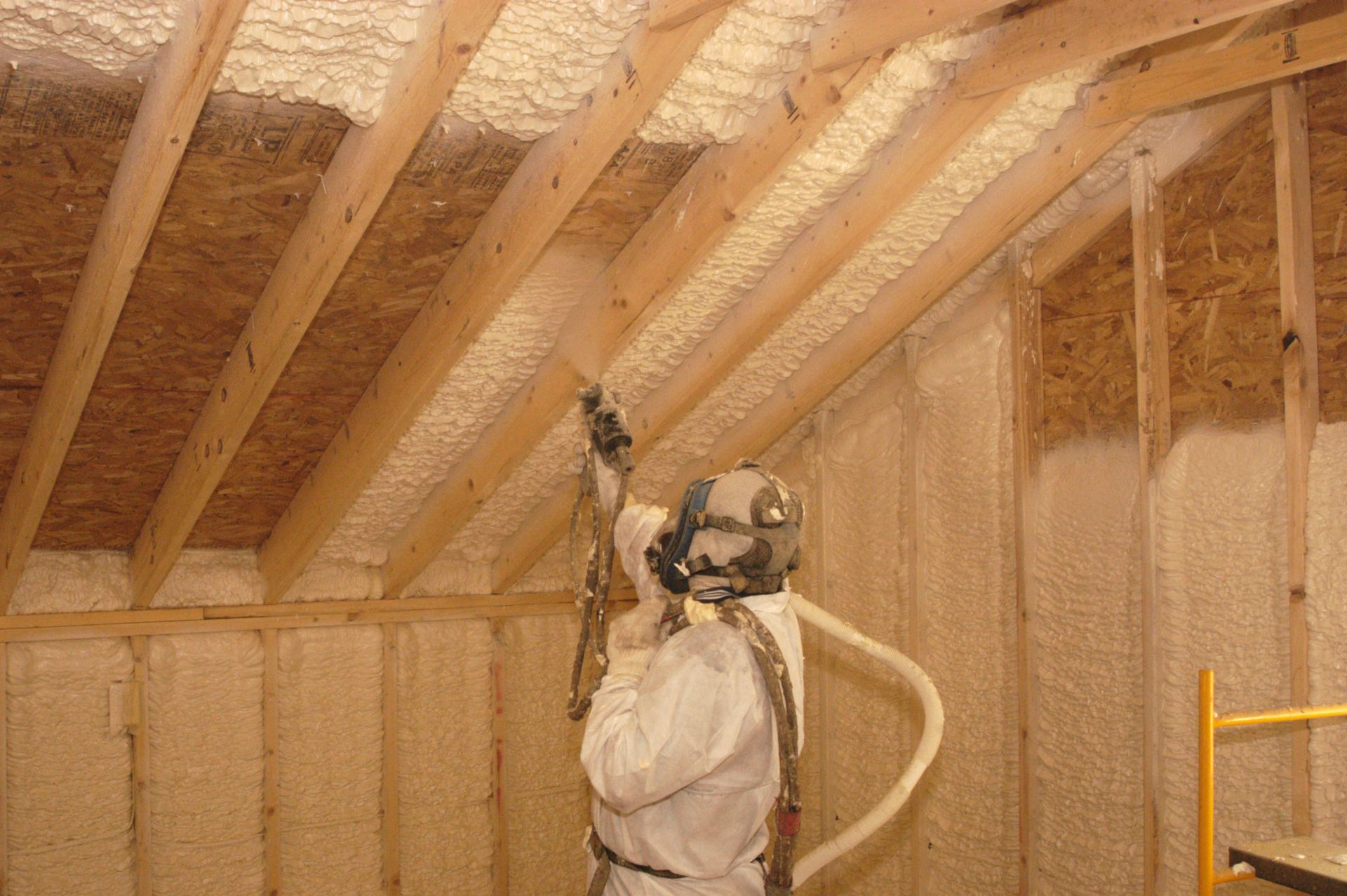
Spray foam is one option for improving thermal performance and limiting air leakage when appropriately specified and installed. According to HomeGuide, spray foam insulation has an R-value of 3.5 to 7 per inch, depending on the type and manufacturer. Commercial insulation contractors can compare suitable materials while considering thermal resistance, moisture control, durability, fire safety, and applicable building codes.
Professional installation can help property owners identify insulation deficiencies and improve building efficiency. A thorough assessment may also consider air leakage, existing HVAC equipment, and the condition of walls and roofs. Addressing these factors together helps determine which improvements are most appropriate for the property's structure and operating budget.
Commercial insulation can benefit many building types by improving temperature control, reducing energy demand, and supporting occupant comfort. The right solution depends on how a facility is used, the conditions it must maintain, and the performance of its existing building envelope. Investing in professional insulation can help businesses manage operating expenses while maintaining functional, comfortable spaces.
Working with experienced professionals allows property owners to make informed decisions about materials, installation requirements, and long-term performance. Commercial insulation contractors can assess a facility's needs and recommend solutions designed for its specific challenges. Contact North Central Insulation to discuss your commercial property's insulation needs and explore professional solutions that support energy efficiency, comfort, and lasting building performance.