May 26, 2026
Embarking on a new commercial construction project involves managing countless moving parts, from architectural designs and building permits to material selection and structural engineering. Amidst the complexity of blueprints and deadlines, one foundational element frequently dictates the long-term viability, comfort, and operational cost of the building: the thermal envelope. Partnering with an experienced commercial insulation contractor during the initial planning and construction phases is not just a regulatory necessity; it is a strategic investment that impacts the entire lifecycle of the property. Establishing a high-performance barrier against thermal transfer requires specialized knowledge, precision engineering, and a deep understanding of regional building codes.
Every commercial facility, whether a sprawling warehouse, a multi-story office complex, or a retail hub, requires a tailored approach to climate control and structural integrity. A qualified commercial insulation contractor possesses the expertise necessary to evaluate the unique demands of a new build and implement solutions that align with the specific architectural goals. By integrating advanced insulation techniques early in the construction process, developers can avoid costly retrofits, prevent premature structural degradation, and ensure that the indoor environment remains conducive to productivity and commerce from day one.
Ensuring Strict Compliance with Modern Building Codes
Modern building regulations and energy codes have become increasingly stringent, demanding higher thermal resistance values and comprehensive air-sealing strategies for new structures. Navigating these complex legal frameworks requires a professional who understands the nuances of regional mandates and environmental compliance. A professional commercial insulation contractor ensures that every phase of the insulation installation adheres perfectly to municipal and federal guidelines, mitigating the risk of failed inspections, project delays, or costly fines.
Compliance goes beyond simply meeting the bare minimum requirements of local statutes. An experienced commercial insulation contractor understands how different materials interact with structural components, vapor barriers, and ventilation systems to create a cohesive, law-abiding thermal boundary. By verifying that every square foot of insulation meets or exceeds current energy standards, these specialists protect developers from future liabilities and position the new building as a modern, energy-conscious asset in a competitive real estate market.
Optimizing Long-Term Energy Efficiency and Operational Cost
The financial health of a commercial property depends heavily on managing monthly overhead, with utility expenses representing a significant portion of ongoing operational costs. A commercial insulation contractor plays a vital role in minimizing these expenditures by creating an airtight envelope that prevents conditioned air from escaping and outdoor elements from intruding. When a building retains its internal temperature efficiently, the financial pressure on heating and cooling infrastructure drops dramatically, leading to sustained, predictable savings on utility bills.
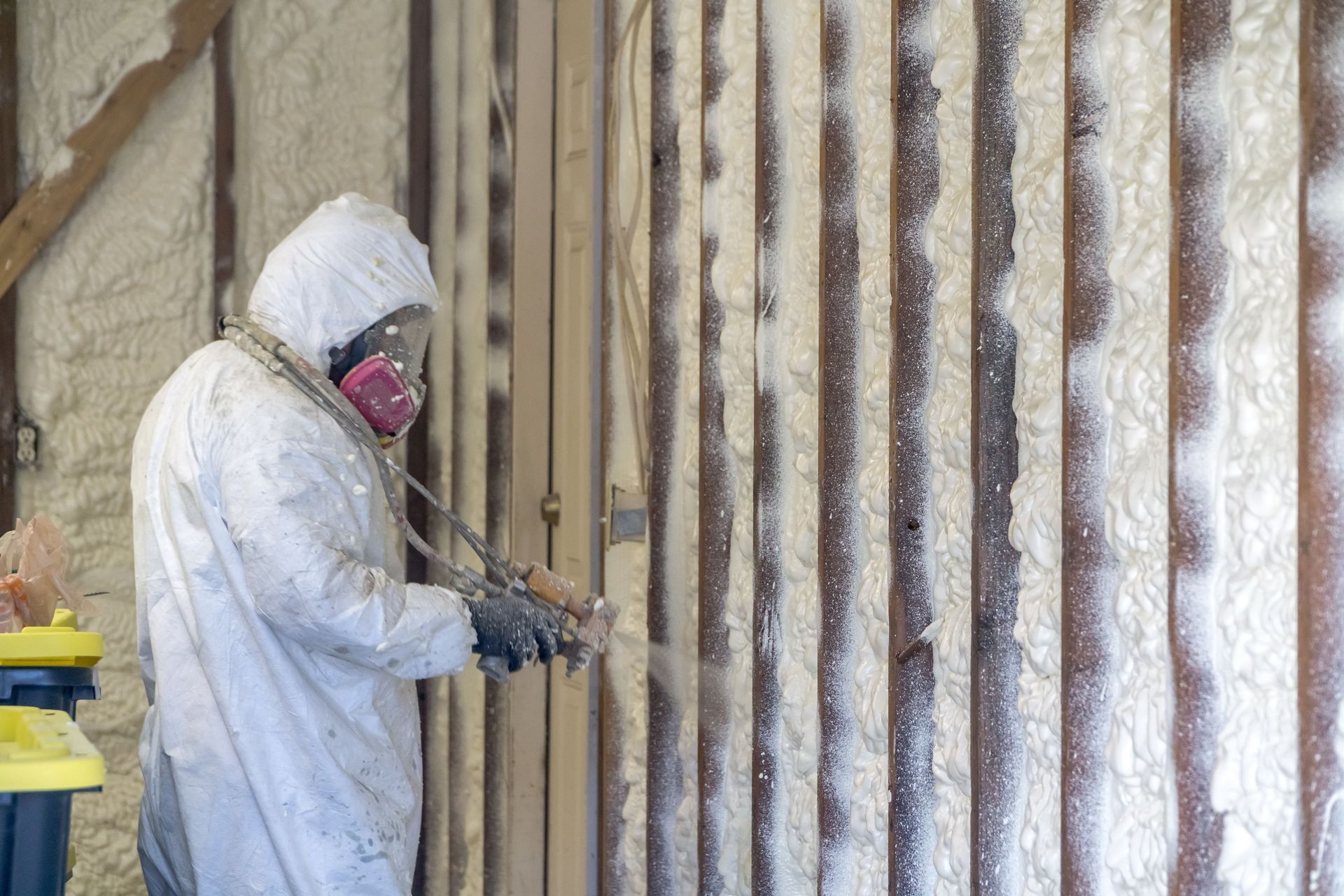
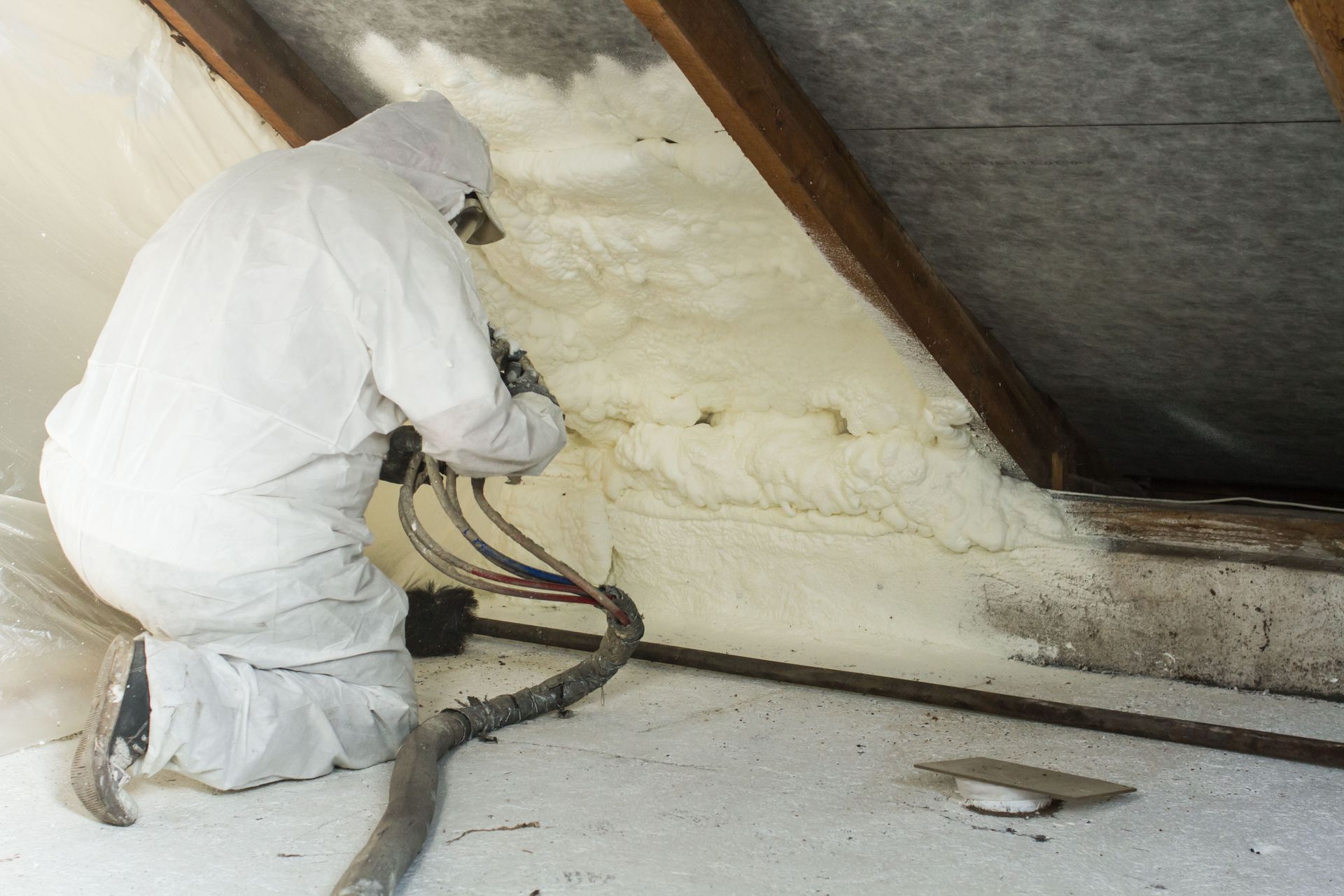
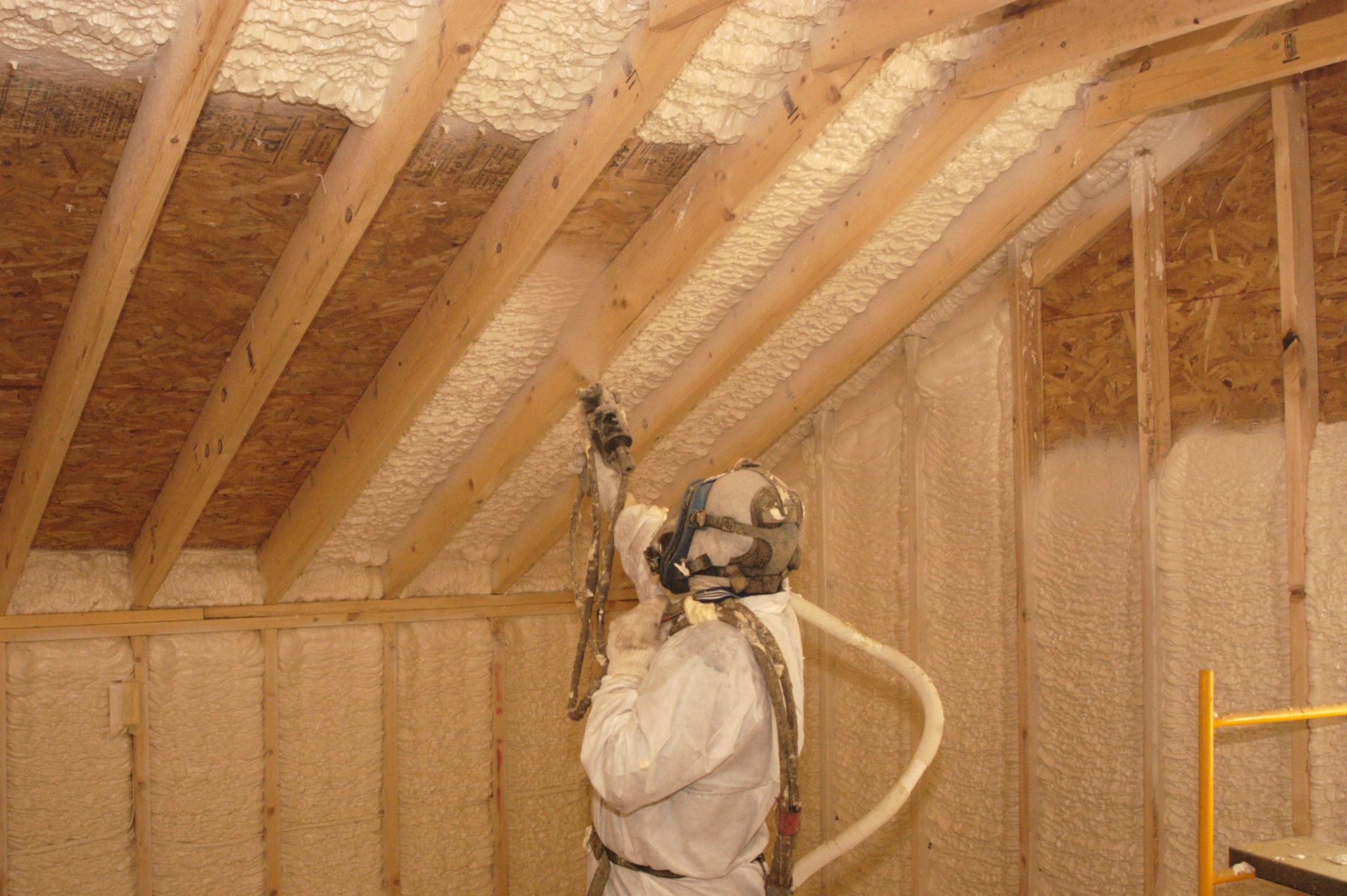
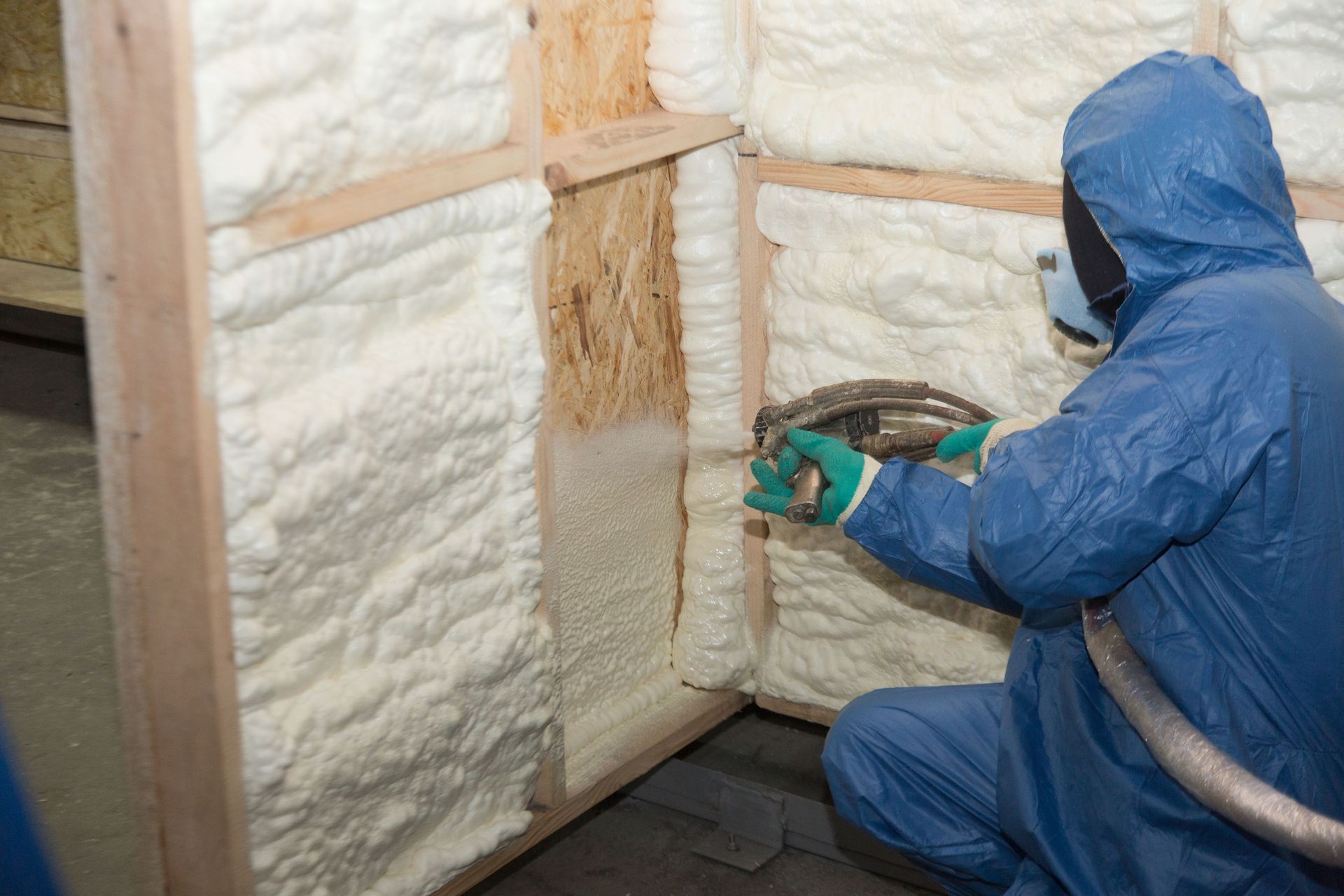
The choice of materials utilized during the construction phase heavily influences these long-term financial outcomes. For instance, according to the U.S. Department of Energy, spray foam insulation can reduce the workload on HVAC systems by up to 35%. Achieving this level of efficiency requires the precise application techniques that only an authorized commercial insulation contractor can provide. By optimizing the thermal boundary from the ground up, developers can install smaller, less expensive HVAC units during the construction phase, saving money immediately on equipment costs while securing lower energy bills for decades to come.
Improving Structural Durability and Moisture Management
Commercial buildings face constant environmental threats, ranging from extreme temperature fluctuations to driving rain and ambient humidity. Without proper thermal and moisture protection, condensation can form within wall cavities, leading to mold growth, wood rot, and the corrosion of metal framing components. Hiring a specialized commercial insulation contractor protects the physical integrity of the new construction by utilizing insulation materials that double as vapor and air barriers, stopping moisture migration before it can compromise the building envelope.
Effective moisture management also safeguards the interior finishes, inventory, and equipment housed within the facility. A commercial insulation contractor carefully analyzes the building design to identify potential thermal bridges—areas where heat transfers rapidly through structural elements—and applies targeted insulation strategies to eliminate these weak points. This meticulous attention to detail prevents localized condensation, dampness, and structural weathering, ensuring the property remains robust and requires fewer structural repairs as the years pass.
Enhancing Indoor Acoustic Comfort and Productivity
The comfort of a commercial space extends far beyond mere temperature control; acoustic performance is equally vital for creating a productive, professional environment. New construction projects often feature expansive open areas, hard surfaces, and heavy mechanical systems that generate considerable noise. A commercial insulation contractor addresses these acoustic challenges by integrating sound-dampening insulation materials into interior walls, ceilings, and mechanical rooms to minimize sound transmission between different zones of the building.
Whether the goal is to prevent office disruptions from adjacent manufacturing zones or to ensure privacy in executive conference rooms, proper acoustic insulation is essential. The strategic interventions managed by a commercial insulation contractor absorb airborne sounds and dampen structural vibrations, resulting in a quiet, focused atmosphere. Prioritizing sound attenuation during the initial construction phase enhances the comfort of future tenants, employees, and visitors, significantly boosting the overall market value and desirability of the commercial property.
Maximizing Property Value and Attracting Premium Tenants
The overall market value of a new commercial building is closely tied to its efficiency ratings and indoor environmental quality. A commercial insulation contractor plays an important role in elevating the property’s market appeal by installing premium thermal systems that lower future operational costs. When potential tenants or buyers review the energy projections and structural specifications of a facility, a professionally insulated envelope stands out as a major financial advantage. Developers can market the property as a forward-thinking, sustainable space that promises lower overhead.
In addition to driving up rental premiums, a building engineered for maximum thermal performance appreciates more reliably over time. When an insulation contractor eliminates the risk of hidden drafts and internal condensation, the building requires less maintenance and fewer capital expenditures for structural upkeep down the road. Investors and appraisers look favorably upon properties that protect their mechanical systems and structural frameworks from environmental stress.
Mitigating Future Risk Through Professional Installation
Attempting to cut corners or utilize unspecialized labor for insulation installation in a commercial development often leads to uneven coverage, gaps in the thermal barrier, and substandard performance. A certified commercial insulation contractor brings specialized rigging equipment, safety gear, and manufacturer-backed training to the job site, ensuring that complex materials like spray foam, fiberglass batts, and rigid board insulation are applied flawlessly. Professional installation eliminates the human errors that cause premature material degradation or thermal performance failure.
Furthermore, commercial projects operate on tight timelines where scheduling conflicts can derail a budget. A dedicated commercial insulation contractor coordinates seamlessly with general contractors, electricians, and plumbers to complete the insulation phase efficiently without disrupting other trades. This professional coordination ensures the project moves forward smoothly, reducing the risk of costly scheduling delays and guaranteeing that the hidden components of the building are built to last for the lifetime of the structure.
Selecting the right partners for a new construction project sets the stage for the future financial and physical health of the facility. Entrusting the building envelope to a qualified
commercial insulation contractor guarantees superior energy management, complete code compliance, structural longevity, and enhanced comfort for all future occupants. Contact North Central Insulation today to discuss the specific requirements of your upcoming project, receive free estimates within 24 hours, and learn how we can bring decades of expertise to your new build, proudly serving the entire Midwest since 1969.