November 22, 2026
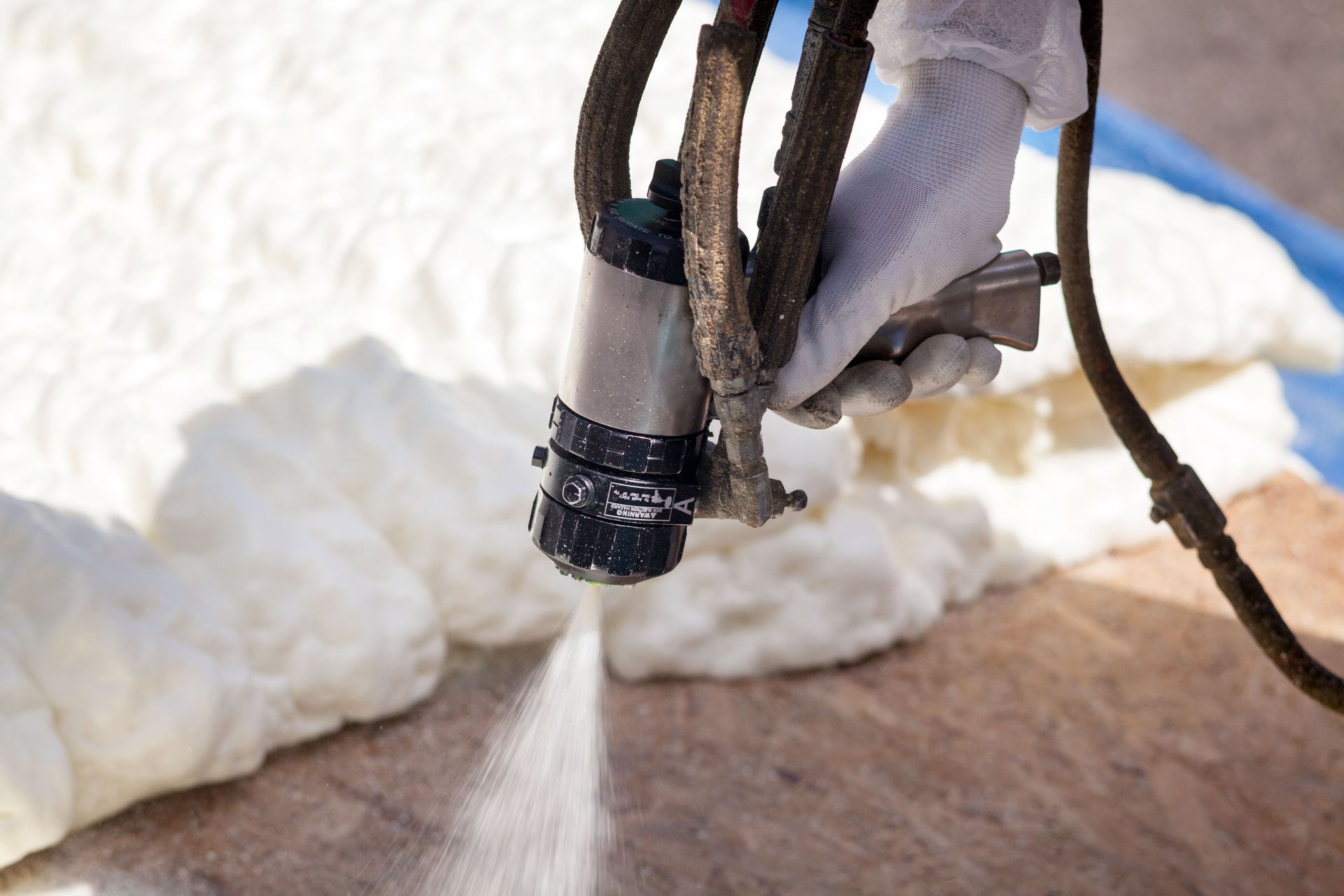
Spray foam insulation is a versatile and efficient solution for improving a building's energy efficiency. To maximize its benefits, it can be paired with other energy efficiency upgrades for an even greater impact. This article explores a range of complementary upgrades that enhance the performance of spray foam insulation. Spray foam insulation creates robust thermal barriers that significantly reduce heating and cooling demands. When combined with specific energy improvements, it can lead to considerable energy savings and environmental benefits.
1. Enhanced Air Sealing Techniques
Enhanced air sealing techniques are critical for maximizing the efficiency of spray foam insulation. Proper air sealing prevents unwanted airflow, drastically reducing energy waste in homes. To achieve these results, understanding the importance of air sealing is essential. Effective air sealing stops outdoor air from penetrating the interior and conditioned air from escaping, thereby easing the load on heating and cooling systems. Homeowners often experience reduced drafts, allowing their HVAC systems to perform more efficiently, which results in lower energy bills over time.
Detecting air leaks is a pivotal step in ensuring comprehensive air sealing. Various methods like blower door tests and thermal imaging are used to identify leakage points. Once detected, these leaks can be addressed with targeted sealing solutions. Techniques such as weatherstripping and caulking ensure that these gaps are adequately closed. This improves thermal comfort and complements the spray foam insulation for a more energy-efficient home structure.
The use of weatherstripping in combination with spray foam insulation offers a complete airtight seal. Spray foam fills larger gaps and crevices, while weatherstripping addresses smaller openings around windows and doors. Another important component is caulking, which seals joints and seams within walls and other structures. By integrating these air sealing measures, homeowners can evaluate the effectiveness of energy savings by observing reduced utility costs. According to HomeGuide, spray foam insulation typically pays for itself within 5 to 10 years through these lower energy costs.
2. High-Efficiency Windows
High-efficiency windows serve as a crucial upgrade when paired with spray foam insulation. These windows minimize heat transfer, reducing both heating and cooling demands. Various types include double or triple-glazed windows, each offering unique benefits in energy conservation. The ability of these windows to limit thermal exchange significantly enhances the insulating effect of spray foam. High-performance windows reduce cold drafts in winter and lower air-conditioning needs in summer, effectively harmonizing with spray foam to improve overall energy performance.
Pairing window films with spray foam insulation extends the benefits of energy efficiency. Window films provide an extra layer of protection against solar gain, minimizing the amount of heat entering through windows. The combination of window films and spray foam helps maintain indoor temperature stability. This synergy is especially beneficial in climates with extreme weather conditions, where maintaining indoor comfort level can be challenging. By reducing the reliance on heating and cooling systems, this pairing promotes sustainable energy use.
Addressing thermal bridging is another aspect of upgrading to high-efficiency windows. Thermal bridging occurs when heat finds a path through conductive elements like window frames. Strategies for tackling thermal bridging include selecting frames with low-conductive materials and using thermal breaks. Low-E (Low Emissivity) glass is highly effective, as it reduces the amount of infrared and ultraviolet light that passes through without compromising visibility. Installing high-efficiency windows as part of an energy improvement strategy can lead to significant long-term energy savings.
3. LED Lighting Solutions
LED lighting solutions have revolutionized the way buildings manage energy consumption from lighting. Compared to traditional bulbs, LED lights offer remarkable energy efficiency, using up to 80% less energy. This significant reduction translates to lower electricity bills and reduced environmental impact. LED lighting can serve multiple functions by not only reducing energy costs but also improving lighting quality and lifespan. When included in an energy-efficient renovation with spray foam insulation, LED lighting contributes to a comprehensive energy-saving strategy.
Integrating motion sensors with LED lighting enhances energy savings by ensuring lights are used only when necessary. Motion sensors automatically switch lights on or off based on room occupancy, preventing wasted energy in unoccupied spaces. This feature is especially beneficial for commonly unoccupied rooms or areas where manual switching is impractical. The integration of these sensors with LED lighting contributes to further reduction in electricity usage. By cutting unnecessary energy expenditure, buildings become more efficient and environmentally friendly.
One of the less discussed benefits of LEDs is their impact on heat reduction. Unlike incandescent lights, which emit a significant amount of heat, LEDs remain cool to the touch. This decrease in heat emission complements spray foam insulation, contributing to cooler indoor environments and reducing the workload on the air conditioning system. Properly designing a lighting layout ensures optimal light distribution while taking advantage of LED technology's benefits. As a result, homeowners experience increased energy efficiency and comfort in line with their energy goals.
4. HVAC System Optimization
Optimizing the HVAC system is an essential step in improving home energy efficiency when using spray foam insulation. Regular HVAC maintenance can prevent breakdowns and ensure systems run at peak efficiency. An optimally running HVAC system uses less energy, significantly reducing heating and cooling costs. Homeowners should schedule regular inspections and cleanings to maintain good performance. This preventative care minimizes strain on the HVAC system, prolonging its lifespan and ensuring consistent temperatures year-round.
Upgrading to smart thermostats is another effective HVAC improvement that pairs well with spray foam insulation. Smart thermostats offer precise control over indoor temperature settings, learning user habits and adjusting to optimize energy use. By using data to optimize heating and cooling, these devices help to further reduce energy consumption. Zoning systems add another layer of efficiency by allowing homeowners to heat and cool specific areas rather than the entire home. When combined with spray foam insulation, these upgrades maximize energy efficiency and user comfort.
Another vital aspect is duct sealing. Leaky ducts can lead to significant energy loss due to cooled or heated air escaping through them. By sealing ducts appropriately, energy efficiency is improved, and comfort levels are maintained. Balancing HVAC loads by optimizing ductwork and incorporating spray foam insulation results in an efficient and harmonious system. As less energy is required to heat or cool, homeowners can enjoy lowered utility bills and an overall reduction in energy use.
5. Solar Energy Systems
Solar energy systems are a sustainable upgrade that pairs well with spray foam insulation. They provide an independent, renewable energy source that complements other efficiency measures. The introduction of solar panels can mitigate reliance on traditional energy sources, reducing carbon footprints significantly. Different solar panel options, such as photovoltaic (PV) panels, offer varied efficiencies and advantages. The combination of solar energy with improved insulation results in a home that is both eco-friendly and cost-effective.
Exploring passive solar design also enhances energy efficiency alongside spray foam. Passive solar design takes advantage of natural sunlight for heating purposes, reducing the need for artificial heating systems. The synergy between spray foam insulation and passive solar design lies in their collective ability to enhance thermal regulation within the household. This integration ensures that warmth from sunlight is retained during colder months, while insulation minimizes heat escape. In doing so, it supports an energy-efficient and comfortable living environment.
The spray foam and rooftop solar synergy focuses on achieving maximal savings through energy independence. As spray foam insulation reduces heating and cooling demands, the energy generated by solar panels can be used more effectively. Furthermore, the addition of solar water heating extends the benefits of solar integration. Conducting a cost-benefit analysis of solar and spray foam can highlight potential savings on utility bills. This approach emphasizes long-term sustainability by reducing environmental impact and energy expenditure.
Implementing these energy efficiency upgrades alongside spray foam insulation can significantly reduce energy consumption and costs. By considering the listed enhancements, homeowners and businesses can move towards a more sustainable and environmentally friendly future. Each upgrade complements the existing benefits of spray foam insulation, creating a holistic approach to energy efficiency. Embracing this approach fosters environmentally conscious energy use, resulting in lasting utility savings and a more sustainable living environment. If you're looking for excellent
spray foam insulation providers, reach out to North Central Insulation today!