August 13, 2026
Homeowners and building managers are constantly searching for modern ways to lower energy costs while improving overall indoor comfort. Among the various thermal management upgrades available on the market today, opting for spray foam insulation offers a transformative solution that outperforms conventional materials. According to data from IBISWorld, the insulation contracting industry in the United States encompasses 28,814 businesses in 2026, reflecting a growing consumer demand for high-performance building envelope upgrades.
Maximizing Home Energy Efficiency
Thermal regulation remains a primary concern for property owners seeking to maintain comfortable living environments throughout extreme seasons. Traditional thermal barriers like fiberglass or cellulose frequently sag, settle, or develop gaps over time, allowing conditioned air to escape easily. When a property is properly insulated with advanced foam materials, it forms a continuous defense system against outdoor temperature spikes and freeze events. This consistency ensures that heating, ventilation, and air conditioning equipment operates efficiently without working overtime to compensate for thermal loss.
By minimizing thermal transfer through walls, attics, and crawlspaces, property owners can significantly reduce their daily energy consumption. The inherent thermal resistance of liquid-applied foam allows structures to maintain set temperatures for extended durations. This reduced operational stress on climate control systems extends equipment lifespans while drastically lowering monthly utility expenditures. Over time, the accumulated reduction in energy consumption makes high-performance expanding foam one of the most effective upgrades available for modern properties.
Creating an Airtight Thermal Seal
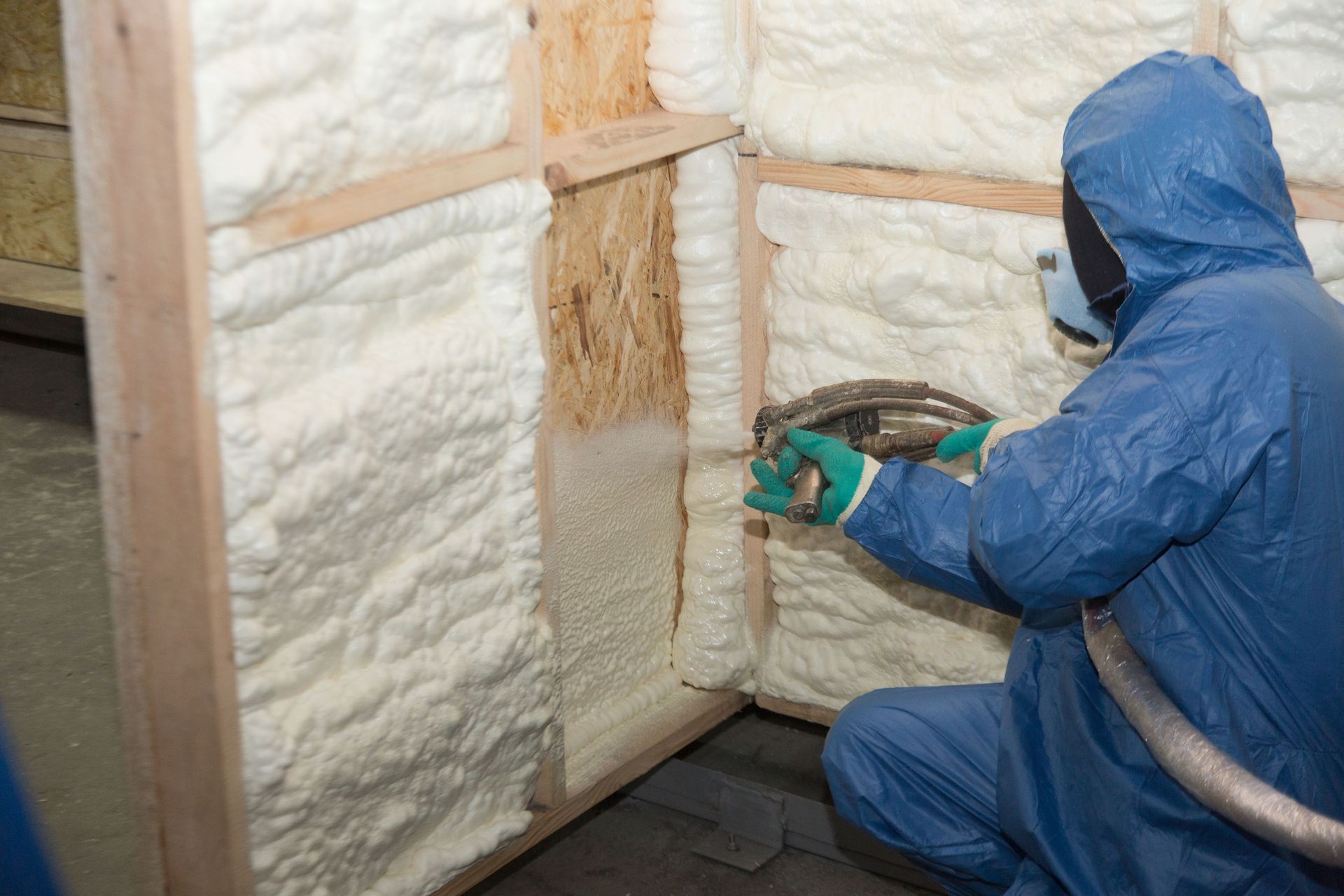
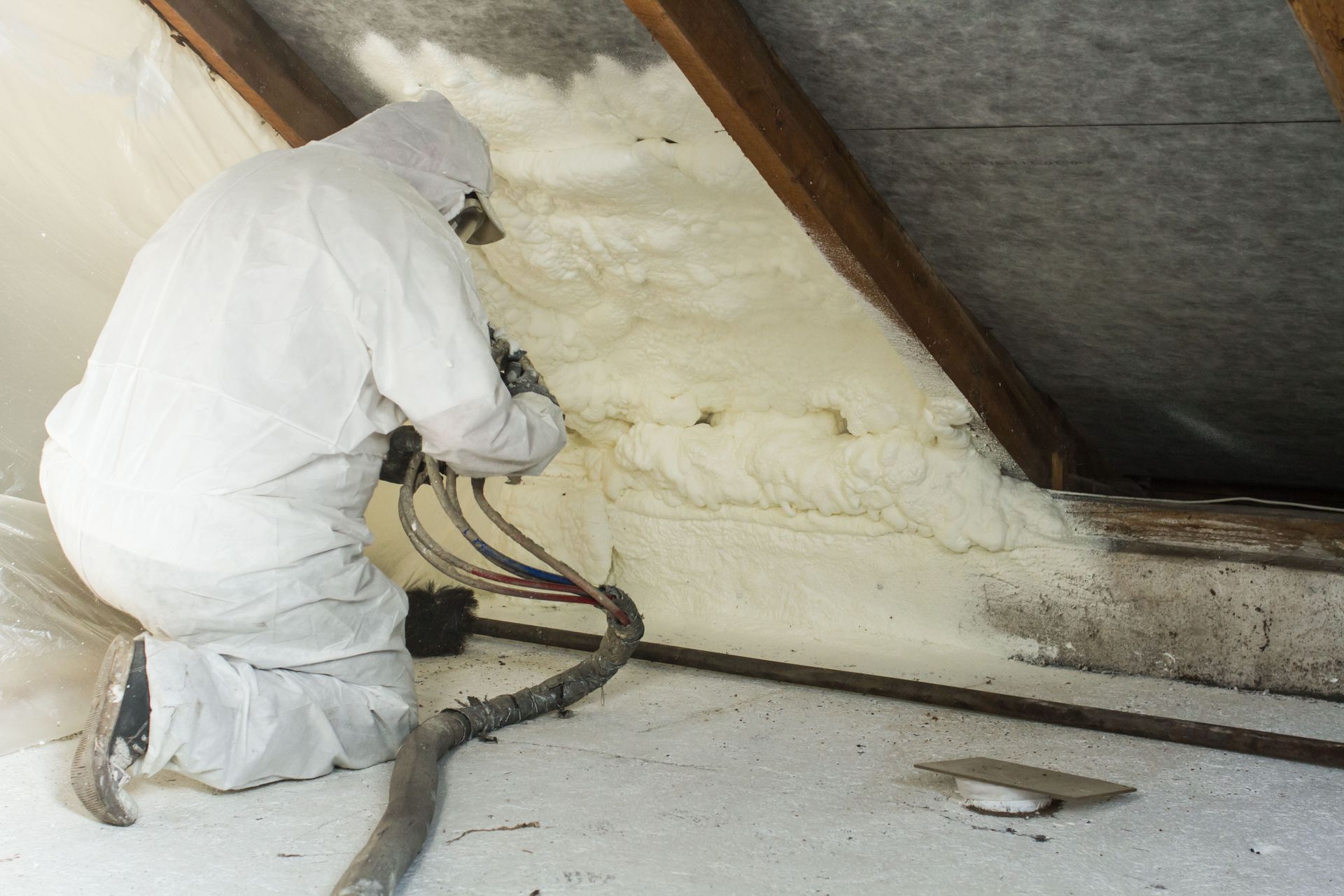
Uncontrolled air leakage represents one of the largest sources of energy loss in residential and commercial buildings alike. Small cracks around window frames, floor joists, wiring penetrations, and ductwork permit substantial amounts of outdoor air to enter while conditioned indoor air leaks out. Properly applying spray foam insulation eliminates unsealed gaps by expanding into every nook, cranny, and irregular void within the building envelope. This total expansion creates a custom-fit, seamless barrier that standard prefabricated batt materials simply cannot achieve.
The creation of an airtight seal also prevents the stack effect, a natural phenomenon where warm air rises and escapes through the roof while pulling cold drafty air in through lower levels. By blocking these air pathways completely, the interior climate stays stable and free from uncomfortable drafts. Building owners notice an immediate improvement in room-to-room temperature uniformity, eliminating the hot and cold spots common in older properties. Ultimately, an airtight envelope provides full control over indoor environmental conditions.
Improving Indoor Air Quality
Maintaining healthy indoor air requires more than just filtration systems; it requires controlling what enters through the physical structure itself. Dust, pollen, airborne allergens, and outdoor pollutants constantly infiltrate living spaces through micro-crevices in exterior walls. Strategically installing spray foam insulation acts as a continuous protective shield against external pollutants, ensuring that incoming air passes only through dedicated ventilation and purification systems.
In addition to filtering out environmental debris, an airtight barrier helps control humidity levels inside the living space. Unregulated humidity creates an environment conducive to dust mites and airborne contaminants that trigger respiratory discomfort. By establishing a tight envelope, the property maintains balanced moisture levels that foster a cleaner, healthier living space. Occupants with allergies or asthma often report significant relief once drafty pathways are permanently sealed.
Preventing Moisture and Mold Accumulation
Moisture intruding into wall cavities presents severe risks to structural longevity and occupant health. Water vapor traveling with air currents can condense on cold framing members, creating ideal breeding conditions for harmful mold and mildew. Fortunately, the application of spray foam insulation resists water absorption and creates an impermeable vapor barrier that prevents damp air from penetrating critical building cavities.
Because closed-cell foam formulations do not absorb water or degrade when exposed to moisture, they safeguard wooden framing and drywall from rot and water damage. Unlike traditional fibrous materials that soak up moisture like a sponge and lose their thermal value, rigid foam maintains its full thermal integrity even under humid conditions. Protecting building assemblies from moisture accumulation ensures structural durability and preserves healthy indoor air quality for decades.
Enhancing Overall Structural Integrity
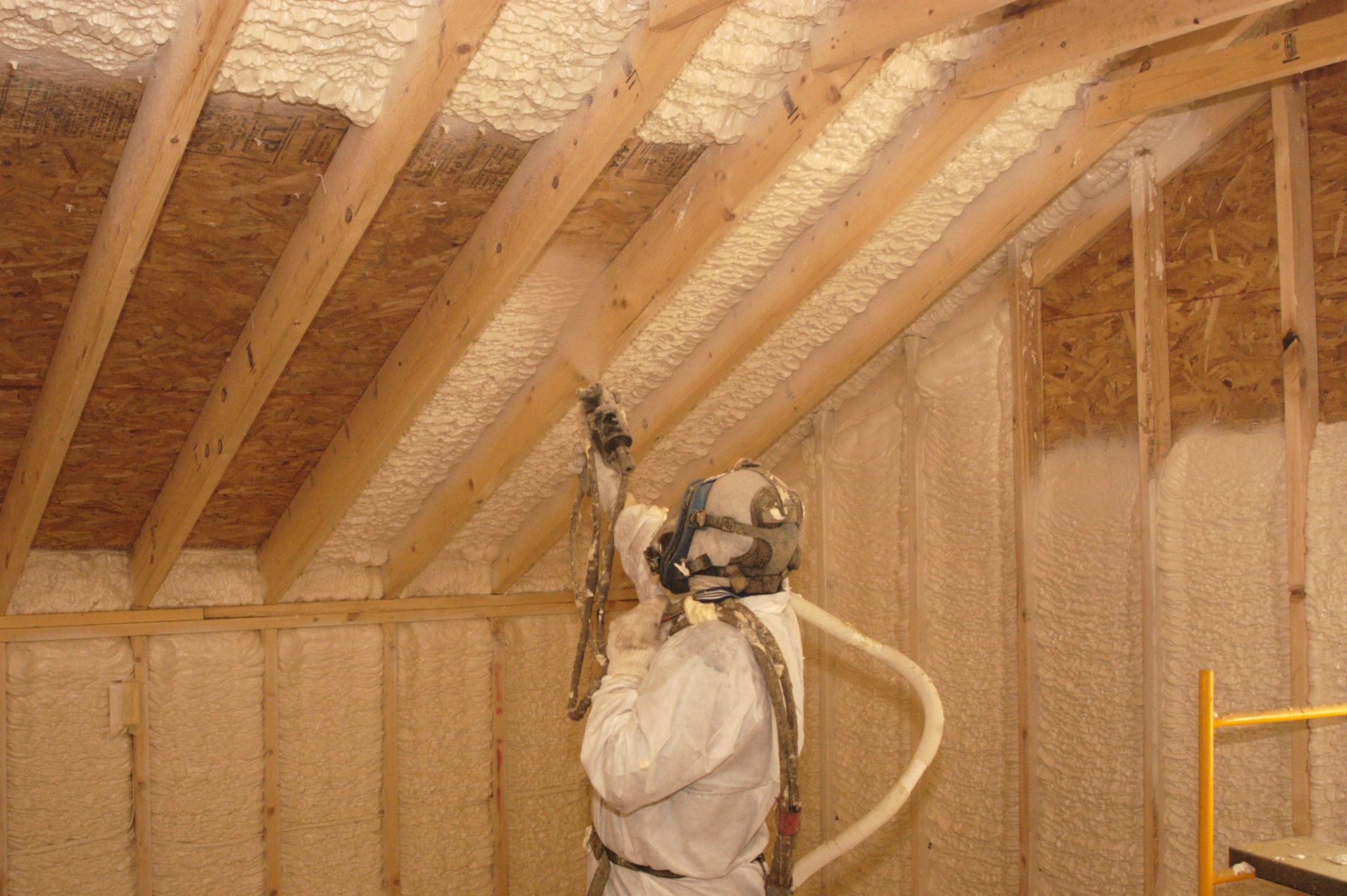
Building envelopes face constant physical stress from strong winds, structural settling, and seasonal thermal expansion. High-density closed-cell foam provides impressive structural reinforcement when applied directly into wall cavities and roof decks. As the liquid foam expands and cures, it adheres tightly to surrounding studs, sheathing, and framing members, effectively bonding them together into a unified, rigid assembly.
This structural bonding increases the racking strength of exterior walls, making the building significantly more resistant to shear forces caused by high winds or severe storms. In our experience, walls filled with rigid closed-cell foam can withstand significantly higher wind loads than uninsulated framed assemblies. This added physical durability protects structural components against minor impact damage and enhances the overall resilience of the building.
Reducing External Noise Pollution
Noise pollution from busy highways, neighborhood traffic, nearby construction, and low-flying aircraft can compromise comfort inside a home or office. Expanding polyurethane foam acts as a superior sound-dampening acoustic barrier by absorbing sound waves before they transmit through wall cavities. The dense cellular composition of spray foam insulation breaks up sound energy, creating a noticeably quieter and more peaceful indoor sanctuary.
Both open-cell and closed-cell formulations provide distinct acoustic benefits, with open-cell foam excelling at dampening mid-to-high frequency airborne sound waves like voices and street traffic. When applied to interior partition walls, media rooms, or floor joists, the material also prevents sound transfer between different rooms within the same building. Property owners can enjoy enhanced privacy and tranquility without investing in bulky acoustic paneling.
Lowering Long-Term Utility Costs
While initial installation costs for modern foam materials may exceed those of conventional fiberglass batts, the long-term financial returns far outweigh the upfront investment. Standard insulation materials often degrade, sag, or compress over time, requiring replacement or supplemental top-offs every decade. In contrast, investing in spray foam insulation yields exceptional long-term ROI because the cured polymer material remains structurally stable and retains its thermal performance indefinitely.
The primary financial payoff arrives in the form of drastically reduced monthly utility bills, often reducing heating and cooling expenses by substantial percentages. Additionally, because the material lightens the workload on heating and cooling units, HVAC systems experience fewer mechanical breakdowns and require less frequent replacement. When factoring in lower energy bills, reduced HVAC maintenance, and increased overall property market value, high-performance foam pays for itself over its lifespan.
Preserving Environmental Sustainability
Reducing energy consumption stands as one of the most impactful steps property owners can take to minimize their personal carbon footprints. By dramatically lowering the amount of energy required to heat and cool a structure, high-performance insulation directly decreases fossil fuel consumption at power generation facilities. This reduced demand translates directly into fewer greenhouse gas emissions over the decades-long lifespan of the building.
Furthermore, the incredible longevity of expanding foam means fewer construction materials end up in landfills over time. Unlike traditional batts that frequently require replacement due to moisture damage or sagging, durable foam stays in place for the lifetime of the structure. By opting for long-lasting, highly efficient building envelope solutions, property owners contribute positively to sustainable building practices and long-term environmental stewardship.
Upgrading a building's thermal envelope with high-performance foam delivers unparalleled benefits in energy savings, indoor air quality, and structural durability. This modern solution transforms drafty, inefficient spaces into quiet, comfortable, and resilient environments built to withstand the elements. Choosing this advanced insulation technology guarantees lasting protection and exceptional financial returns for decades to come. For more insight on the benefits of
spray foam insulation, please contact North Central Insulation today.